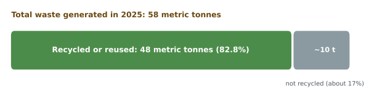
SDG 12 asks every institution to use fewer resources, create less waste and buy and make things in ways that last. SRM University–AP does this by measuring its waste, segregating it where it is created, turning food and garden waste into biogas and manure, banning single-use plastic, handling laboratory chemicals safely and buying sustainably and ethically. In 2025, the University generated 58 metric tonnes of waste and recycled 48 metric tonnes of it, a recycling rate of about 83 per cent.
58 t
Waste generated, 2025
48 t
Waste recycled
82.8%
Recycling rate
6–8 m³
Biogas a day from food waste
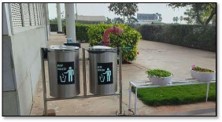
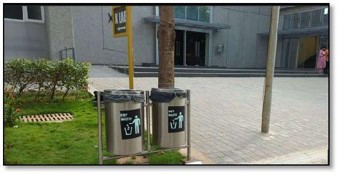
Image 1: Dry-waste and wet-waste bins on the campus.
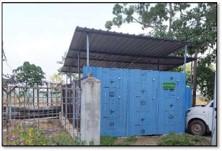
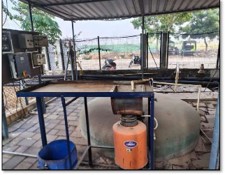
Image 2: Biogas plant on the campus
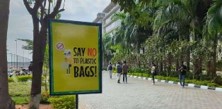
Image 3: “Say No to Plastic Bags” signage.
FRAMEWORK
Framework and Guidelines
Three approved policies govern waste, chemicals and purchasing. The Policy on Integrated Waste Management and Sustainable Waste Disposal (effective July 17, 2024) covers every waste stream, source segregation, a single-use plastic-free campus, measurement of waste recycled and sent to landfill, a target of at least 50 per cent diversion by 2030 and public reporting. The Chemical and Hazardous Waste Disposal Policy (issued February 11, 2025) covers hazardous chemicals from purchase to disposal. The Sustainable Procurement Policy (effective June 20, 2024) builds environmental, social and ethical criteria into what the University buys.
WASTE TRACKING
Waste Tracking: Generated and Recycled
The Directorate of Facility Management records waste by weight every month, and the CLM Office reports the share recycled each year. Of every 100 kg of waste generated on the campus in 2025, about 83 kg was recycled or reused, through sale to authorised recyclers, composting and conversion into biogas.
Image 4: Waste generated and recycled across the University, 2025.
SEGREGATION
Waste Segregation and Plastic-Free Campus
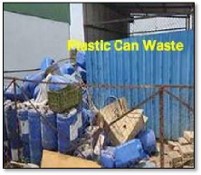
Paired dry-waste and wet-waste bins with pictorial labels stand outside academic buildings, along walkways and in common areas. Each stream has its own route: paper, metals and e-waste go to recyclers, construction waste is reused on campus, batteries come back under buy-back offers, and plastic carry bags are banned.
Image 5: Paired bins outside an academic building.
Image 6: Plastic containers stored in a dedicated area
WASTE TO RESOURCE
Converting Waste to Resource
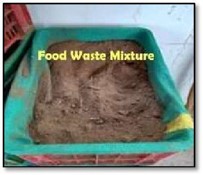
A 6 m³ biogas plant processes about 100 kg of mess and canteen food waste a day and yields 6–8 m³ of gas for cooking in the Annapurani Mess. Food waste from the messes and staff quarters is also mixed with dead leaves into vermicompost, which the gardening staff use as organic manure.
Image 7: Biogas plant: feed hopper, digester and control panel.
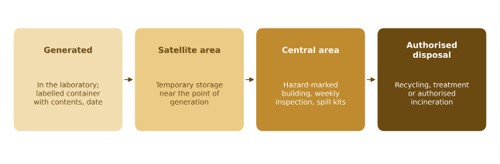
A Chemical Safety Committee oversees the purchase, use, storage and disposal of laboratory chemicals. Hazardous waste is stored for a maximum of 90 days, first near the laboratory and then in a hazard-marked central area that is inspected weekly and is disposed of only through government-approved contractors.
Image 9: How hazardous laboratory waste moves from the laboratory to authorised disposal.
PROCUREMENT
Sustainable Procurement and Ethical Sourcing
Purchases are judged on lifecycle value, not just price. The policy prefers recycled, energy-efficient, durable and repairable products, asks suppliers to accept a Supplier Code of Conduct, favours local, seasonal and certified food, bans single-use plastic ware in food service and requires end-of-life electronics to go to authorised e-waste recyclers.
EVENTS AND INITIATIVES
Events and Initiatives
Lectures, industry visits and workshops on waste, circular materials and sustainable manufacturing, waste-segregation and plastic-free outreach in neighbouring schools, and campus initiatives such as electric vehicles, on-site sewage treatment and treated-water reuse show responsible consumption in practice.
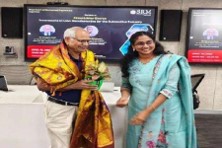
Image 10: Lean manufacturing workshop.
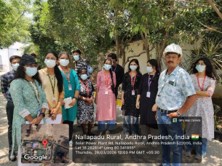
Image 11: Visit to Jindal Urban Waste Management.
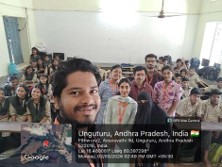
Image 12: Plastic-Free Awareness Drive in a school.
RESEARCH
Research, Publications and Startups
SRM University–AP recorded 115 publications mapped to SDG 12 in 2024–25 and 126 scholarly outputs in 2025–26, on e-waste and battery recycling, food-waste valorisation, smart waste classification and plastic use. Three incubated startups turn waste into products or automate its segregation.
CONCLUSION
Conclusion
By tracking every tonne of waste, sorting it at source, converting organic waste into biogas and manure, keeping plastic and hazardous chemicals under control and buying responsibly SRM University–AP recycles most of the waste it generates and reduces the resources it consumes.