The future of national security is being shaped by advanced and emerging technologies such as artificial intelligence, autonomous systems, cybersecurity, aerospace systems, and intelligent sensing. Unlike traditional defence platforms that are primarily relied on conventional military hardware, modern-day defence systems integrate multidisciplinary engineering domains that include Electronics Engineering, Communication Systems, Robotics and Automation, Materials Engineering, Remote Sensing, and Intelligent Control Systems. This growing demand for defence security has made all the Nations across the globe invest heavily in developing next-generation defence technologies to strengthen their strategic capabilities, secure digital infrastructure, and develop an indigenous self-sustaining defence ecosystem. Keeping this vision in view, SRM University AP has decided to take a major leap in strengthening India’s strategic defence capabilities through its unique undergraduate program, B.Tech. in Defence Systems Engineering. This future-focused multi-disciplinary program is designed for young minds who aspire to pursue a career in defence engineering. The curriculum enables graduate students to understand scientific principles and engineering fundamentals, followed by their demonstration by developing the advanced defence systems, a timely need in strengthening the country’s defence capabilities. The curriculum comprehensively covers the emerging domains across multiple disciplines that are key requirements for national defence applications.
The program closely aligns with India’s growing emphasis on “Atmanirbhar Bharat” and “Make In India” initiatives through indigenous developments of strategic defence technologies. The students gain exposure to emerging domains that are transforming modern warfare and strategic defence infrastructure.
The program B.Tech. in Defence Systems Engineering uniquely integrates strong theoretical foundations, laboratory training, design projects, simulations, internships, industry interactions, and research-oriented learning. The curriculum is structured to provide students with strong interdisciplinary exposure that further integrates modern engineering systems with advanced defence technologies. The program also offers system engineering methodologies that are essential for the design, development, and integration of complex systems.
The teaching and learning process in the program emphasized conceptual understanding as well as practical and hands-on exposure. The students participate in laboratory experiments, software simulations, design-oriented projects, field-based learning, and industry-driven assignments. Exposure to emerging technologies such as remote sensing, digital warfare, and intelligent surveillance is expected to prepare the students for future technological challenges in defence engineering. Furthermore, the program strongly aligns with the department’s vision of becoming a centre of excellence in Defence Systems Engineering by nurturing industry-ready engineers, innovators, researchers, and entrepreneurs who are positioned to develop secure and intelligent technologies for the country’s strategic defence operations.
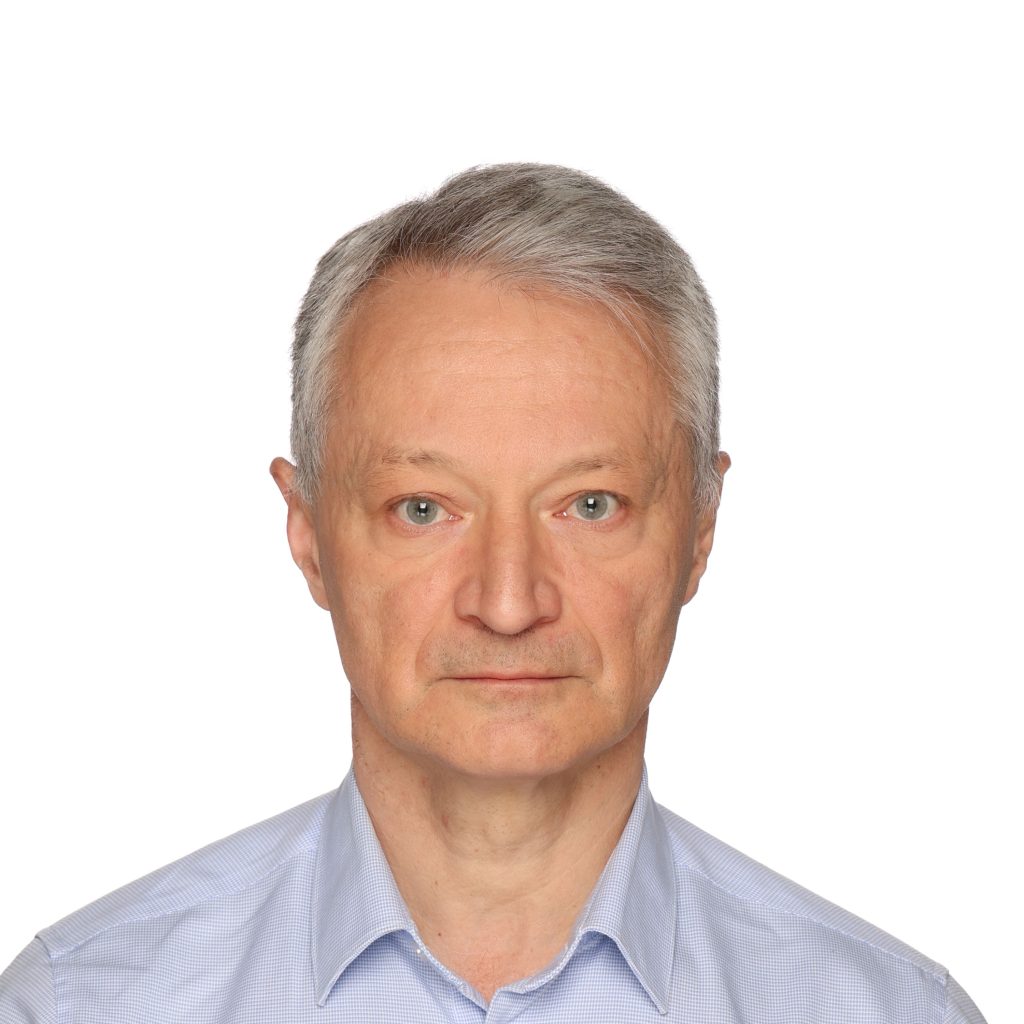
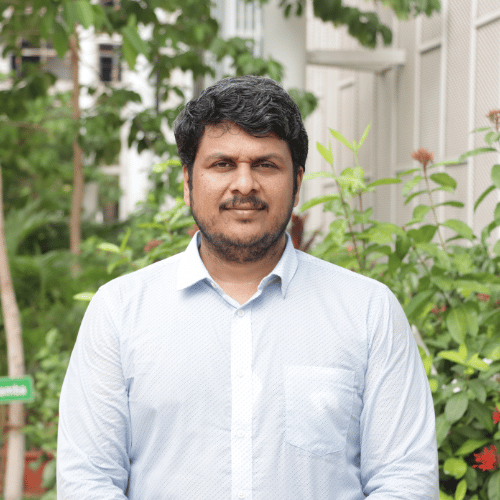
Head of the Department
At SRM University – AP, our vision and mission are at the heart of everything we do. We envision a world where education empowers individuals to become leaders, innovators, and changemakers. Our mission is to provide students with not just academic knowledge, but the skills, creativity, and ethical grounding needed to thrive in the modern world.
To become a globally distinguished and renowned Energy Department by nurturing high-quality professionals through rigorous academic training, innovative research that address emerging global challenges.
Build strong fundamentals and develop skills to analyze, design, and improve energy systems through quality education and practical learning. To foster research, innovation, and industry engagement in energy engineering and emerging energy technologies. Promote entrepreneurship, leadership, and innovation in energy technologies. Instil professional ethics, environmental responsibility, and lifelong learning to address evolving energy challenges.
Strong emphasis on advanced sensing technologies.
Emphasis on autonomous intelligent defence systems.
Focus on cyber defence communication systems and intelligent warfare systems.
The teaching-learning process in B.Tech. Defence Systems Engineering program creates a strong balance between theoretical knowledge and modern practical engineering skills. The conventional pedagogical techniques, such as classroom teaching and laboratory experiments, are complemented with smart pedagogical approaches, such as simulations, case studies, project-based assignments, field experience, and problem-solving exercises. The curriculum provides exposure to work on real-world engineering challenges related to strategic defence technologies.
CEO, Hatchlab Research Centre and Professor
Assistant Professor & Head of the Department
Professor
Assistant Professor & Head of the Department
Professor
CEO, Hatchlab Research Centre and Professor
Professor & HoD
Assistant Professor

Assistant Professor

Assistant Professor
Assistant Professor
Assistant Professor
Industry-aligned curriculum designed around emerging energy systems, real-world applications, and evolving sector needs.
Integration of energy with digital technologies, including E-mobility, Artificial Intelligence, data analytics, and smart energy systems for next-generation applications.
Hands-on learning approach through integrated laboratories, simulation tools, live projects, internships, and field exposure.
Strong career and higher education pathways in renewable energy, electric mobility, energy analytics, and global energy sectors.
Entrepreneurship and startup support encouraging students to develop innovative energy solutions and technology-driven ventures.
Outcome-based and student-centric pedagogy emphasizing critical thinking, problem-solving, teamwork, and lifelong learning.
Research and innovations are an integral part of the B.Tech. in Defence Systems Engineering program. The program encourages students to participate in research activities from their first year of B.Tech. through guided projects, innovative challenges, case study-based assignments, prototype development, and faculty-led multidisciplinary initiatives.
The undergraduate students from B.Tech. in Defence Systems Engineering will be encouraged to apply for SRM University AP’s Semester Abroad Program (SAP). The SAP allows our students to visit and study for one semester at the international partner universities across different countries, thus providing them an opportunity to learn in a global classroom and access to the latest and greatest in communication systems, radar and remote sensing, advanced materials in defence technologies, cyber security, and a sustainable defence ecosystem. The students will be introduced to international faculty, and interaction with them will eventually give them exposure to global research environments.
The well-designed multidisciplinary B.Tech. in Defence Systems Engineering program opens ample avenues of career opportunities in Government Organizations, Defence Industries, Aerospace Industries, Strategic Technology Development Companies, Cyber Security Firms, and Emerging Technologies Start-ups.
The graduates may pursue roles as Scientists and Engineers in DRDO and ISRO, Defence Systems Engineer, UAV System Engineer, Cyber Security Analyst, AI/ML Engineer, Autonomous System Developer, Remote Sensing Specialist, and Strategic Technology Consultant. The student may also explore the opportunities in the organization associated with defence research, aerospace component development, strategic communications systems, and advanced manufacturing of defence devices. The program further uniquely offers multitudes of opportunities to pursue higher studies, such as M.Tech. or MS, from foreign universities with further aspirations in research in advanced defence technologies and strategic system engineering domains.