SRM University–AP treats energy as a resource to be used wisely and generated cleanly. The campus runs approved policies on energy efficiency, carbon management and sustainable procurement, generates part of its own power from rooftop solar, has its buildings and equipment checked every year by an independent energy audit, and supports start-ups working on renewable energy, batteries and hydrogen. In 2024-25 the campus used 1,91,69,459 kWh of electrical energy, of which 95.4 per cent came from the grid, 3.2 per cent from rooftop solar and 1.4 per cent from diesel generators.
968.28 kWp
Rooftop solar capacity
27,783
LED fittings on campus
2,191
BLDC fans of 5,248 (42%)
151
5-star split ACs
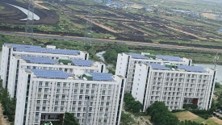
Image 1: Rooftop solar on the hostel blocks
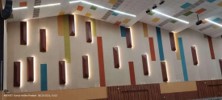
Image 2: LED lighting in the auditorium
Image 3: Battery-operated electric vehicle on campus
FRAMEWORK
Framework and Guidelines
Energy and carbon are governed by university policies approved at level L4. The Energy Efficiency Policy (effective May 20, 2024) sets the framework to avoid unnecessary energy use, improve the performance of buildings and equipment, and build energy efficiency into planning, procurement, construction and daily operation. The Carbon Management Policy and the Carbon Reduction Action Plan (both effective June 5, 2024) set out the yearly cycle of measuring, reducing and reporting emissions, with targets of a 30 per cent cut in gross Scope 1 and 2 emissions by 2028-29 and carbon neutrality by 2040. The Sustainable Procurement Policy (effective June 20, 2024) asks for energy-efficient, durable and low-impact products and lifecycle costing in purchasing decisions.
BUILDINGS
Upgrading Buildings to Higher Energy Efficiency
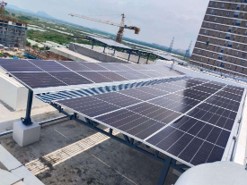
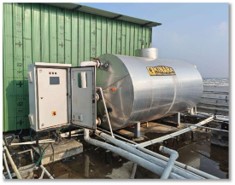
An independent audit of the existing buildings found that 13 costed measures can save about 16.5 lakh units a year, around 9 per cent of the university’s electricity, for an investment of Rs 230.9 lakh and a payback of 1.36 years. The buildings already have 27,783 LED fittings, 2,191 BLDC fans, BEE star-rated air conditioners set at 24°C, over 1,300 sensor-based items, solar water heaters on the hostels and rooftop solar plants that generated 6,22,714 kWh in 2024-25.
Image 4: Rooftop solar panels on a campus building
Image 5: Solar water heater tank on a hostel roof
EFFICIENCY PLAN
Energy Efficiency Plan
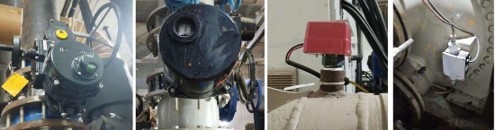
The campus cuts its overall energy consumption by reducing cooling demand and heating water with the sun, through four measures: 151 5-star split air conditioners (235.0 TR), automated chilled-water HVAC controls, variable-speed IE3 pumps in the chiller plant and solar water heaters. Pump power falls roughly with the cube of speed, so a pump at 80 per cent speed uses about 51 per cent of full-speed power.
Image 6: Chiller plant valve actuators and sensors
ENERGY REVIEW
Energy Wastage Identification
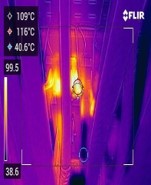
A detailed energy review, with field measurements and an infra-red thermography survey, found 16,50,964 kWh of energy waste a year. Air conditioning accounts for 84.6 per cent of it, followed by losses in the electrical network. The thermal survey recorded overheating at 14 points, the highest at 116 °C on a chiller panel.
Image 7: Thermal image of a chiller panel
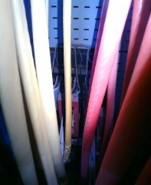
Image 8: Visible-light view of the same panel
CARBON
Carbon Management and Emission Reduction
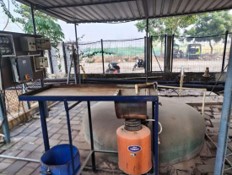
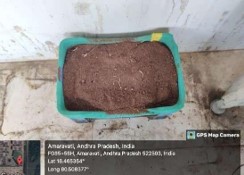
Each year the audit converts energy use into tonnes of CO₂. In 2024-25 the campus emitted 16,310.1 tonnes of CO₂ from electricity, diesel and LPG and neutralised 841.5 tonnes through solar power, diesel-generator offsets and 5,398 mature trees. Actions in place include rooftop solar, LED and BLDC equipment, a biogas plant that turns about 100 kg of food waste a day into cooking gas, electric vehicles and vermicomposting
Image 9: Biogas plant for mess food waste
Image 10: Vermicompost made from food and leaf waste
INNOVATION
Assistance to Low-Carbon Innovation
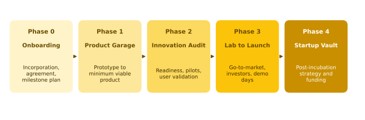
Hatchlab Research Centre, the University’s incubator, supports three start-ups in low-carbon fields: GREEN X (renewable energy solutions), Vindra Renewables Private Limited (solar panels and batteries) and VOLTA (EV batteries and hydrogen fuel cells). Support includes incubation in five phases, prototyping and laboratory access, central research instruments at start-up rates, mentoring and MeitY GENESIS funding calls, backed by the Technology Transfer Cell.
Image 11: The five incubation phases at Hatchlab
EVENTS AND INITIATIVES
Events and Initiatives
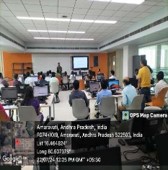
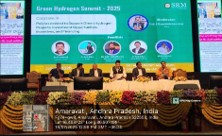
Talks, workshops, summits and community training sessions bring experts, industry and the wider community into the University’s energy work. The featured events in the 2024-25 and 2025-26 annual reports include a five-day skill enhancement programme on renewable energy and smart transportation, a battery modelling talk, training of rural women entrepreneurs in solar drying, workshops on EV controllers and real-time hardware-in-the-loop testing, and the Green Hydrogen Summit 2025.
Image 12: Skill Enhancement Programme on Renewable Energy and Smart Transportation
Image 13: Green Hydrogen Summit 2025: panel discussion
By measuring energy and carbon every year, acting on an independent audit, generating solar power, upgrading lighting, fans, cooling and controls, and backing start-ups in clean energy, SRM University–AP reduces its energy use and emissions and builds the technologies a low-carbon economy relies on.