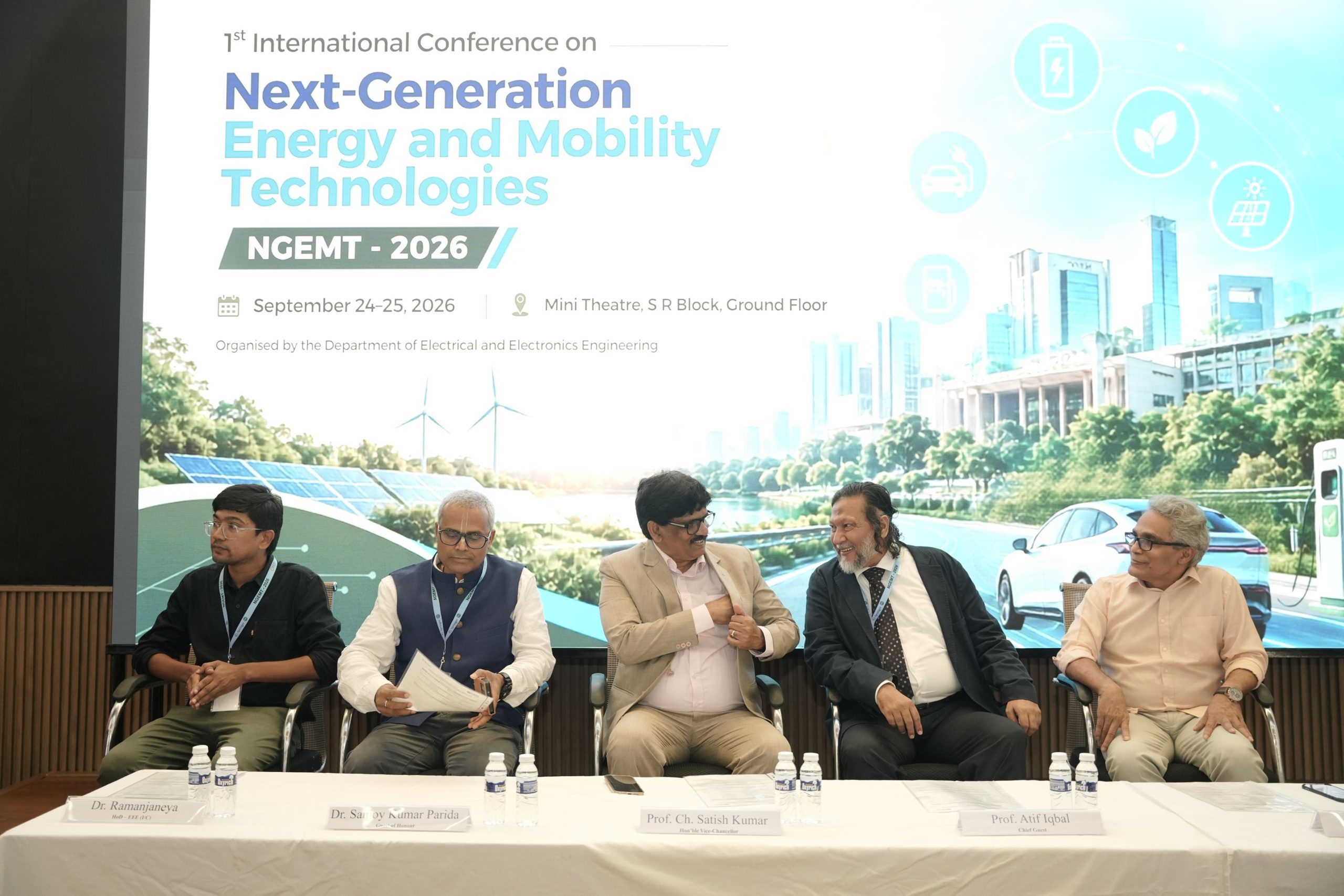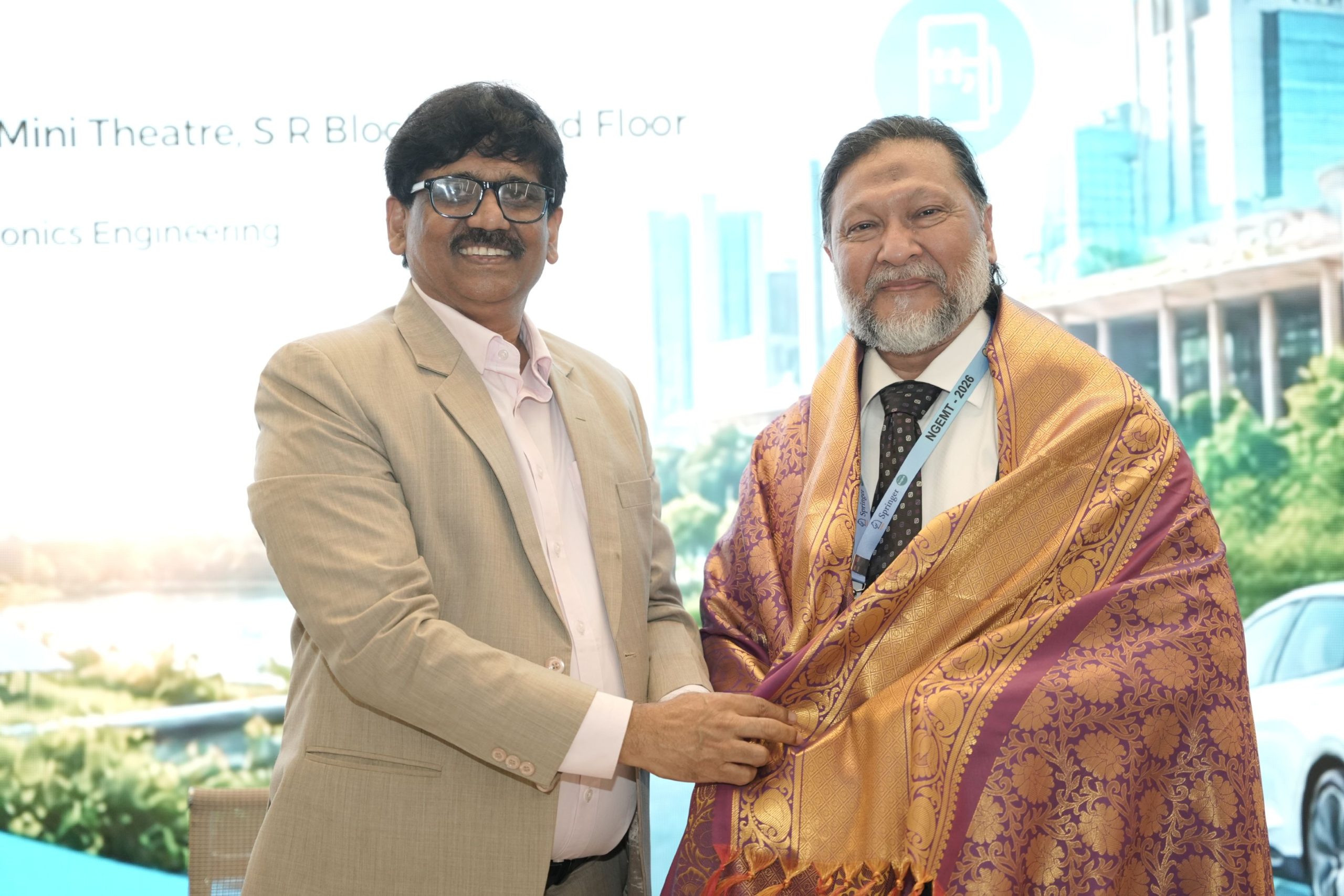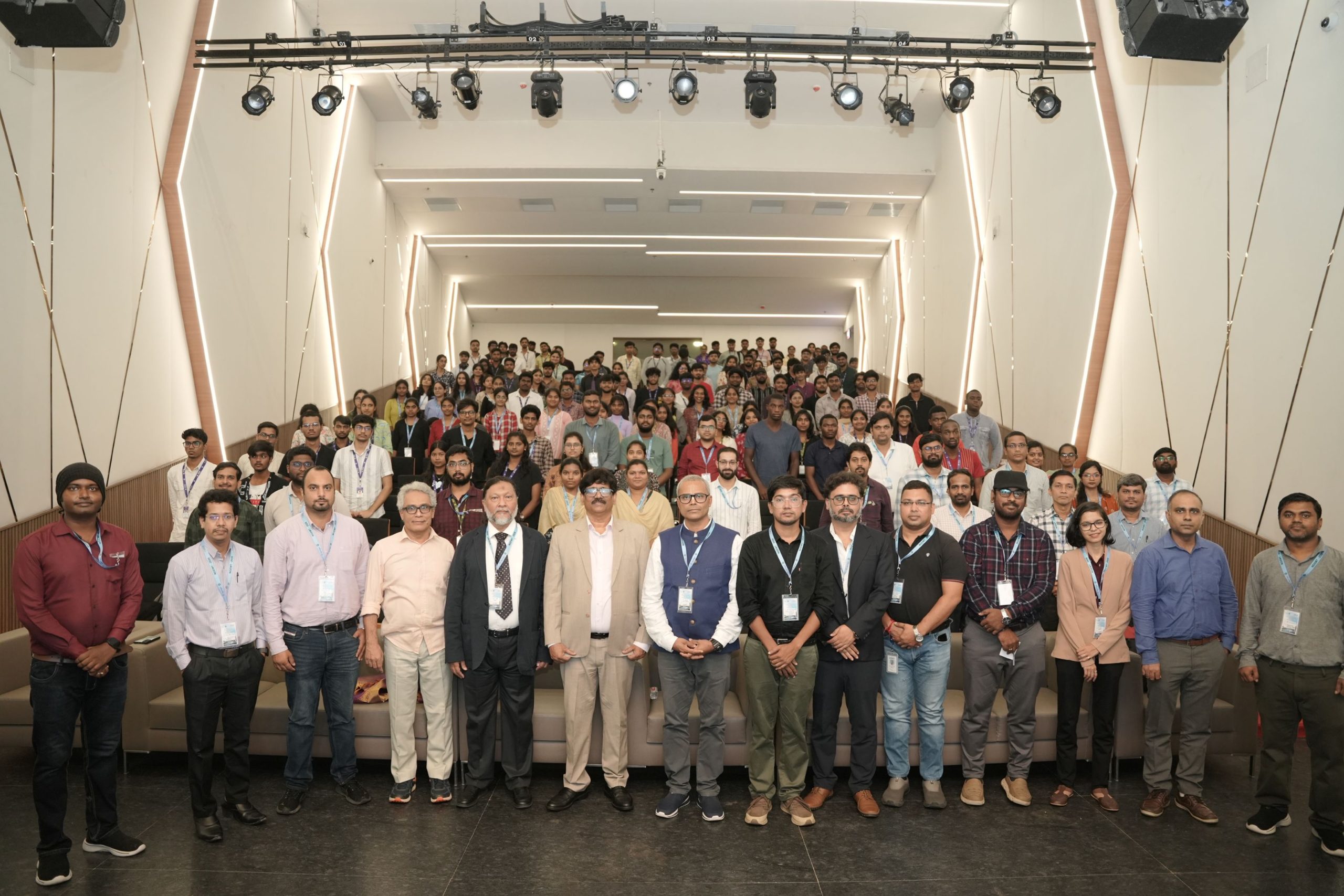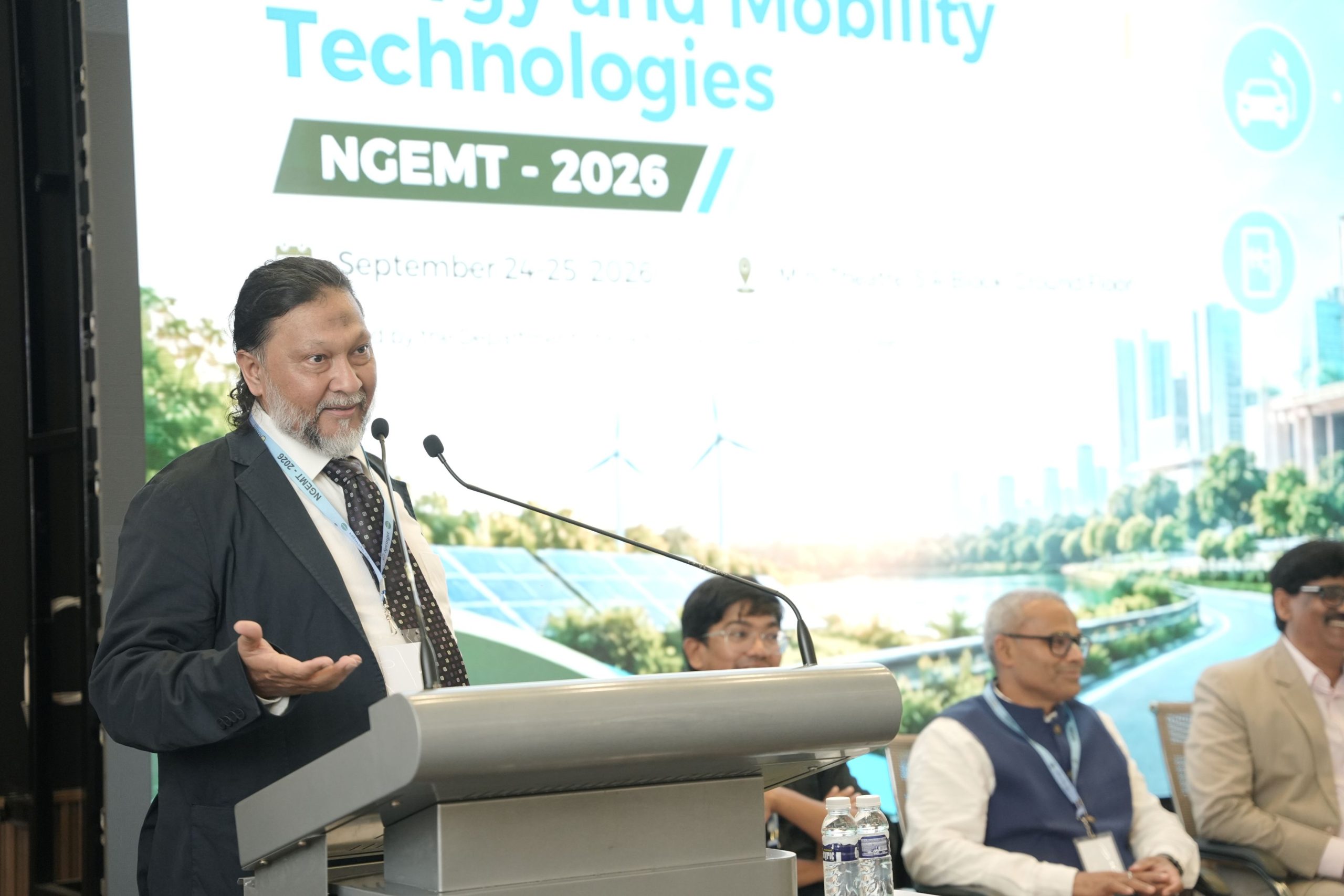

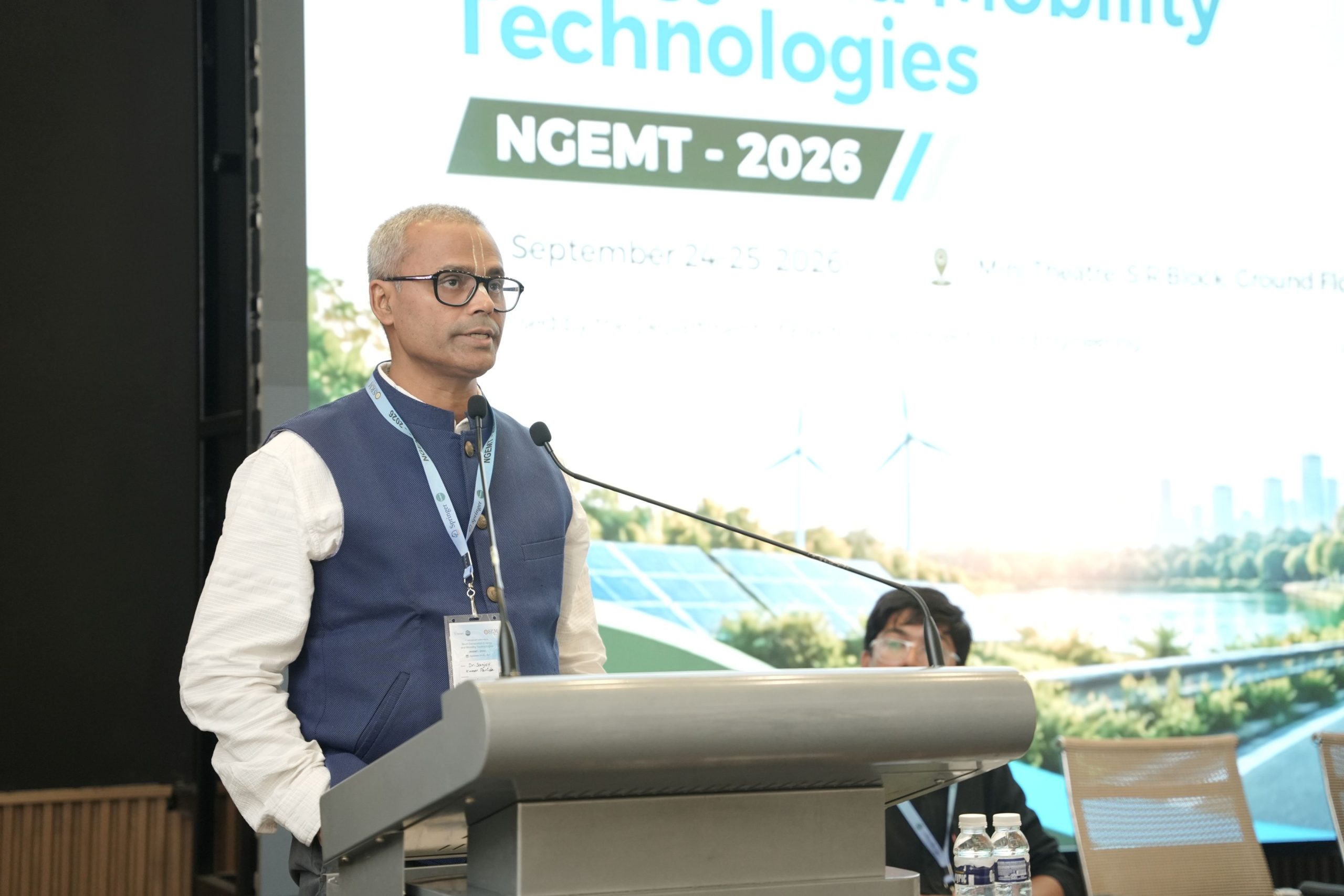
 As the world recalibrates around the twin pressures of climate urgency and technological acceleration, few questions feel as pressing as how nations will power the vehicles, grids and industries of tomorrow. It was against this backdrop that the Department of Electrical and Electronics Engineering at SRM University-AP inaugurated the 1st International Conference on Next-Generation Energy and Mobility Technologies (NGEMT 2026) on September 24, 2026, bringing together academics, policymakers and industry voices for a two-day exchange.
NGEMT 2026 arrives as the first edition of a recurring fixture on the international research calendar, a deliberate wager that energy and mobility now warrant a shared platform of their own. The choice reflects the university’s own self-conception as a multi-disciplinary, research-intensive institution that has set out, since its founding, to challenge conventional models of learning and to build an ecosystem where academic rigour meets entrepreneurial ambition. Hosting a conference of this scale positions SRM AP not merely as a venue for the conversation but as an active participant in shaping where the energy and mobility sectors go next.
The inaugural session set the tone for the event, situating energy and mobility within today’s climate reality and underlining the prestige the conference carries for the department and the university alike. Prof. CV Tomy, Dean SEAS, built on this framing, observing that the future of industry no longer rests on computing alone but increasingly on energy, and that the sectors of energy, mobility and transportation have grown so entangled that they can scarcely be considered in isolation.
That theme of entanglement carried through the rest of the morning. Dr Sanjoy Kumar Parida of IIT Patna, Guest of Honour, pointed to the electric vehicle as proof of how fast energy and mobility have folded into one another, the pace of progress compressing what once took engineering decades into a handful of years. Prof. Atif Iqbal of Qatar University, Chief Guest, pushed the point into the quieter register of daily life, observing how energy now shapes habits and anxieties alike, and how mobility infrastructure still has real ground to cover before such worries fade from ordinary life.
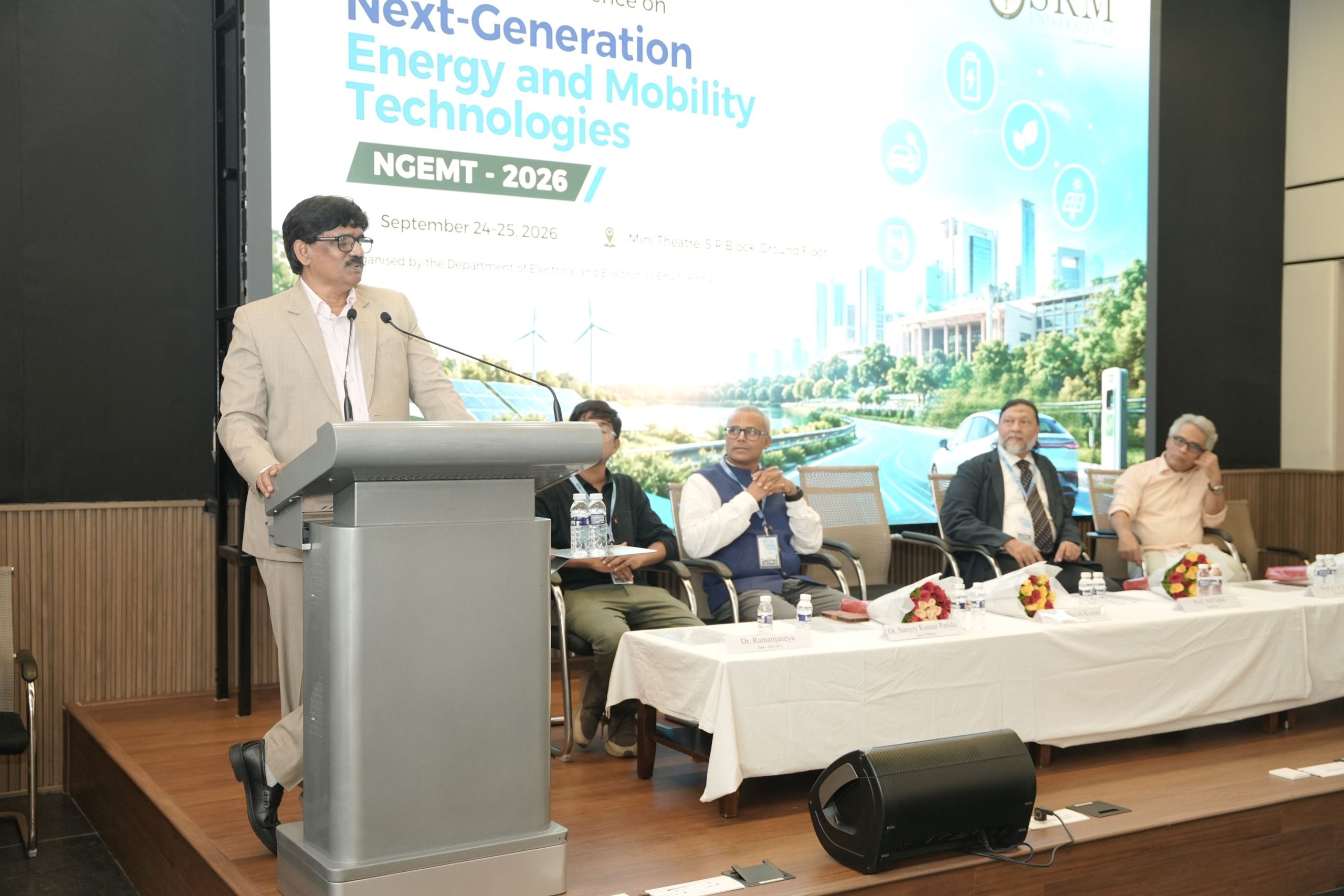
Prof. Ch. Satish Kumar, Vice-Chancellor of SRM University-AP, widened the lens further, arguing that energy today sits at the heart of international relations themselves. Diplomacy, he reflected, has long been shaped by access to and control over energy resources, whether the fossil fuels of earlier decades or the renewable and electric systems now reordering global supply chains, and it is this entanglement that makes the conference’s timing especially apt. He added a note of ambition for the country’s engineers, observing that India possesses both the scale of demand and the customer base for major energy and mobility ventures, but that translating this scale into global leadership will depend on the pace of indigenous innovation.
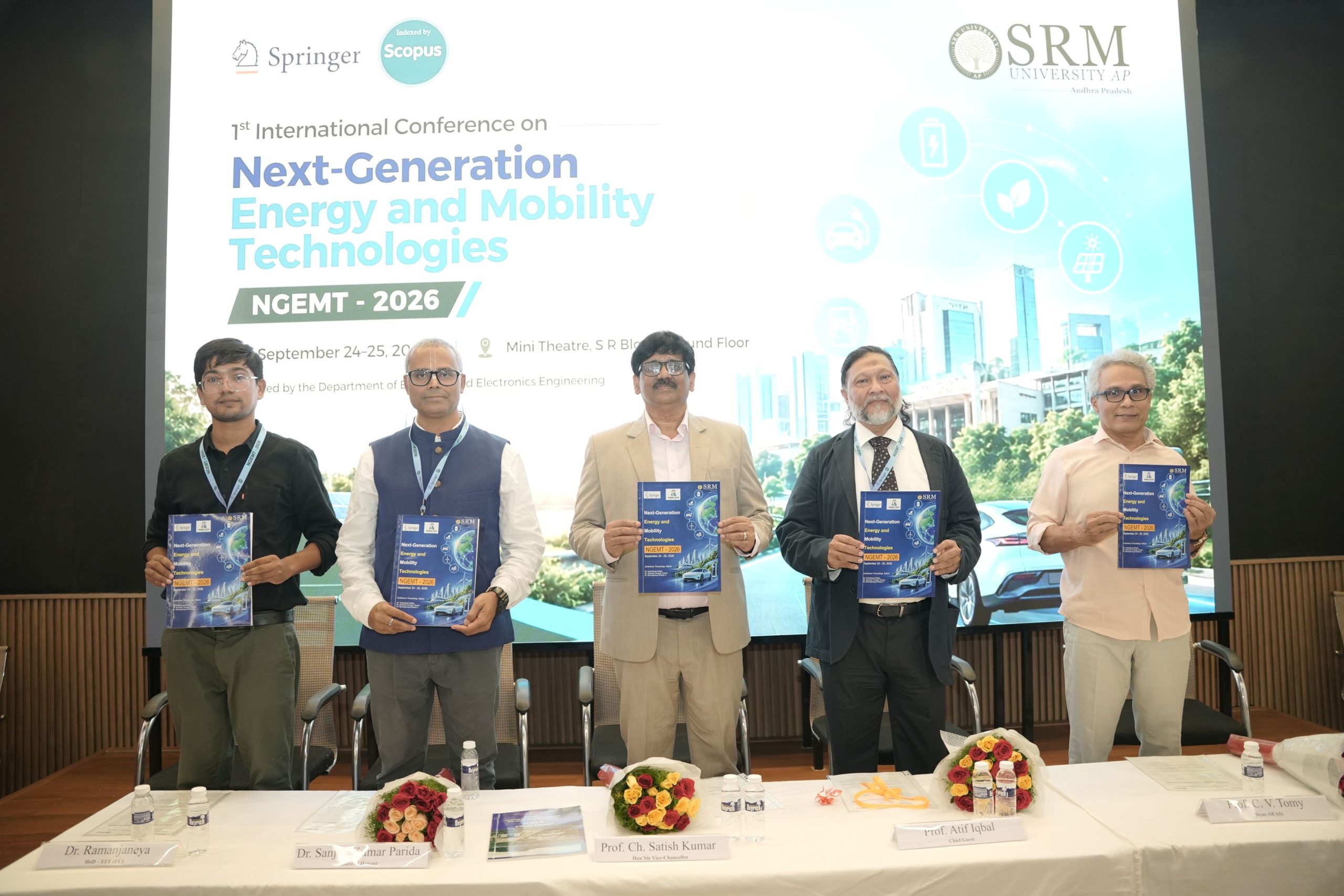
With the formal release of the conference proceedings, the inaugural session gave way to the technical programme proper, structured across five tracks. The technical programme continues from here, carrying the tracks forward through a full slate of paper presentations into the conference’s second and final day tomorrow. On its opening day alone, NGEMT 2026 has already offered a clear signal of the depth this gathering is set to reach.