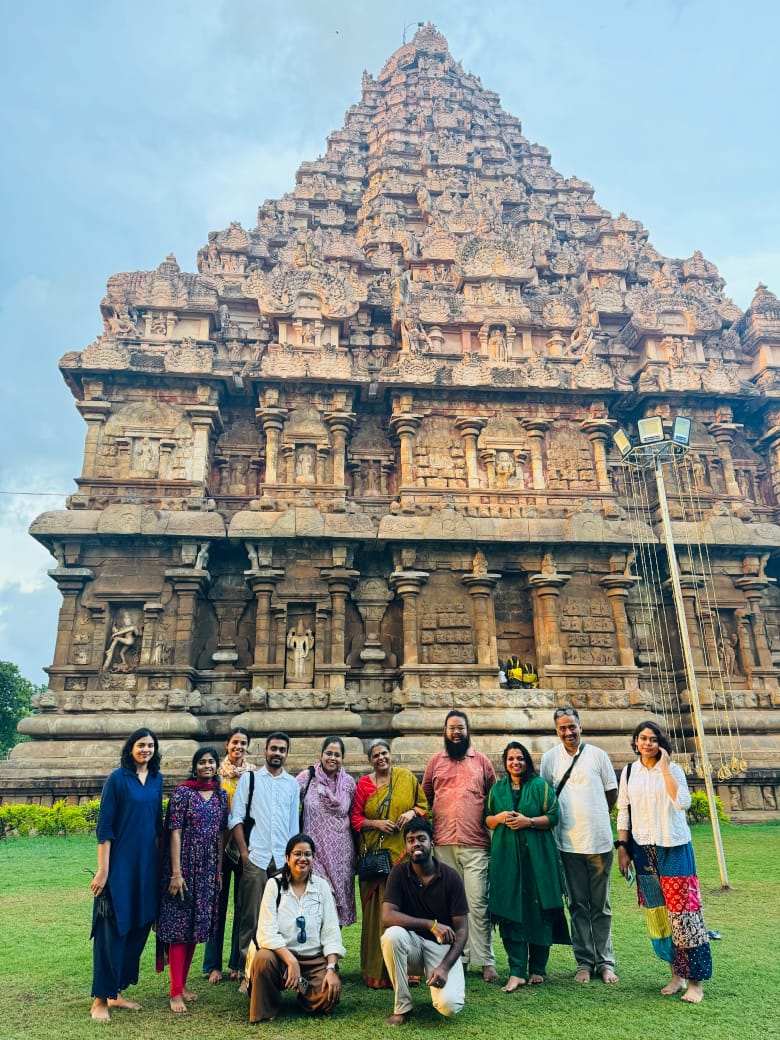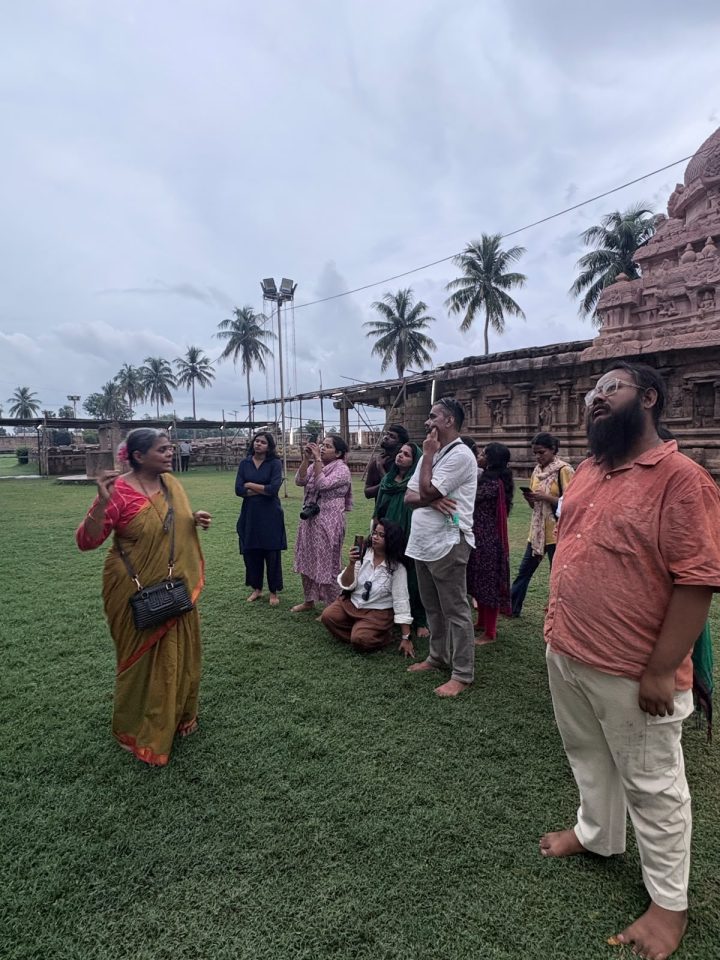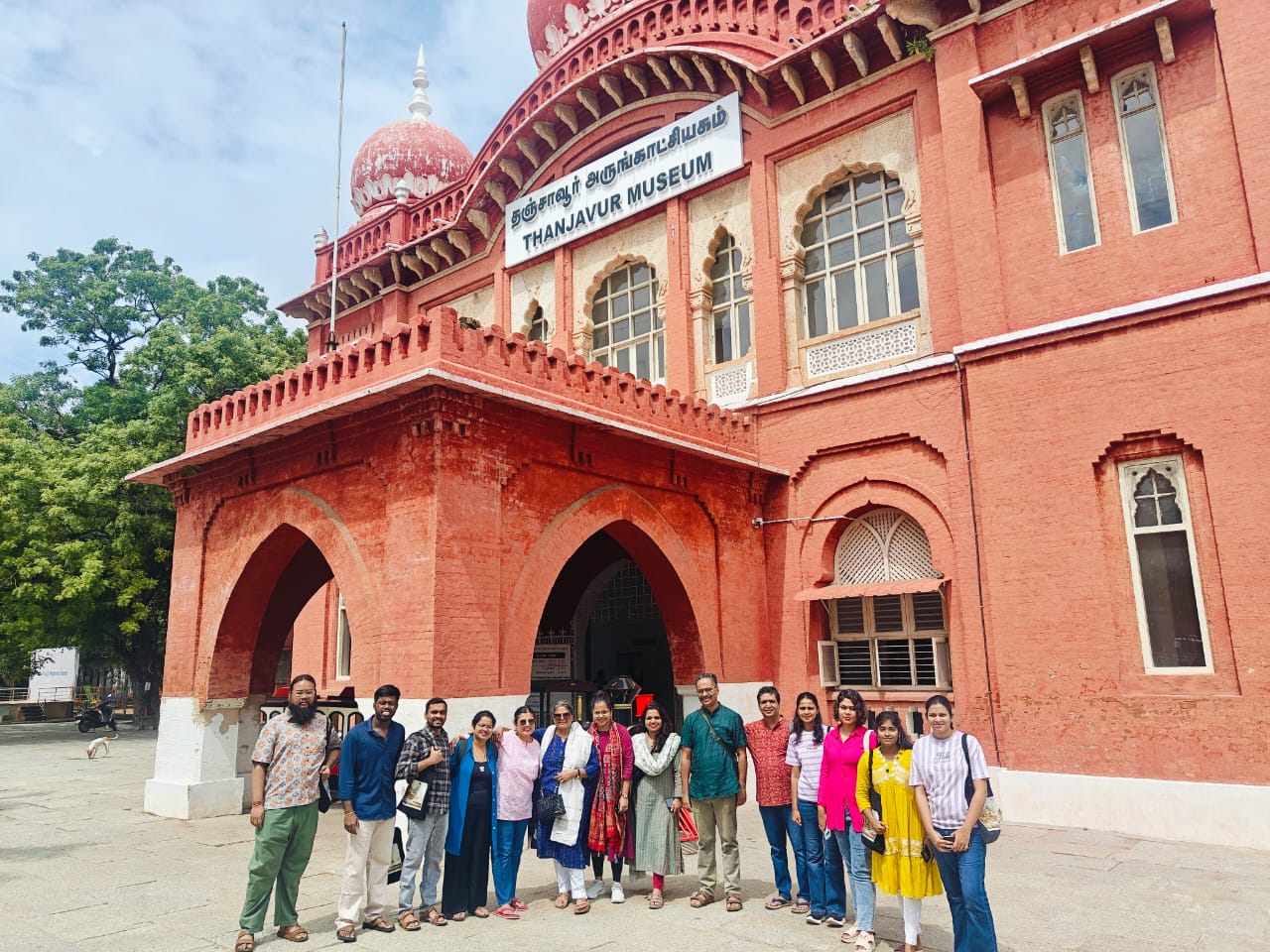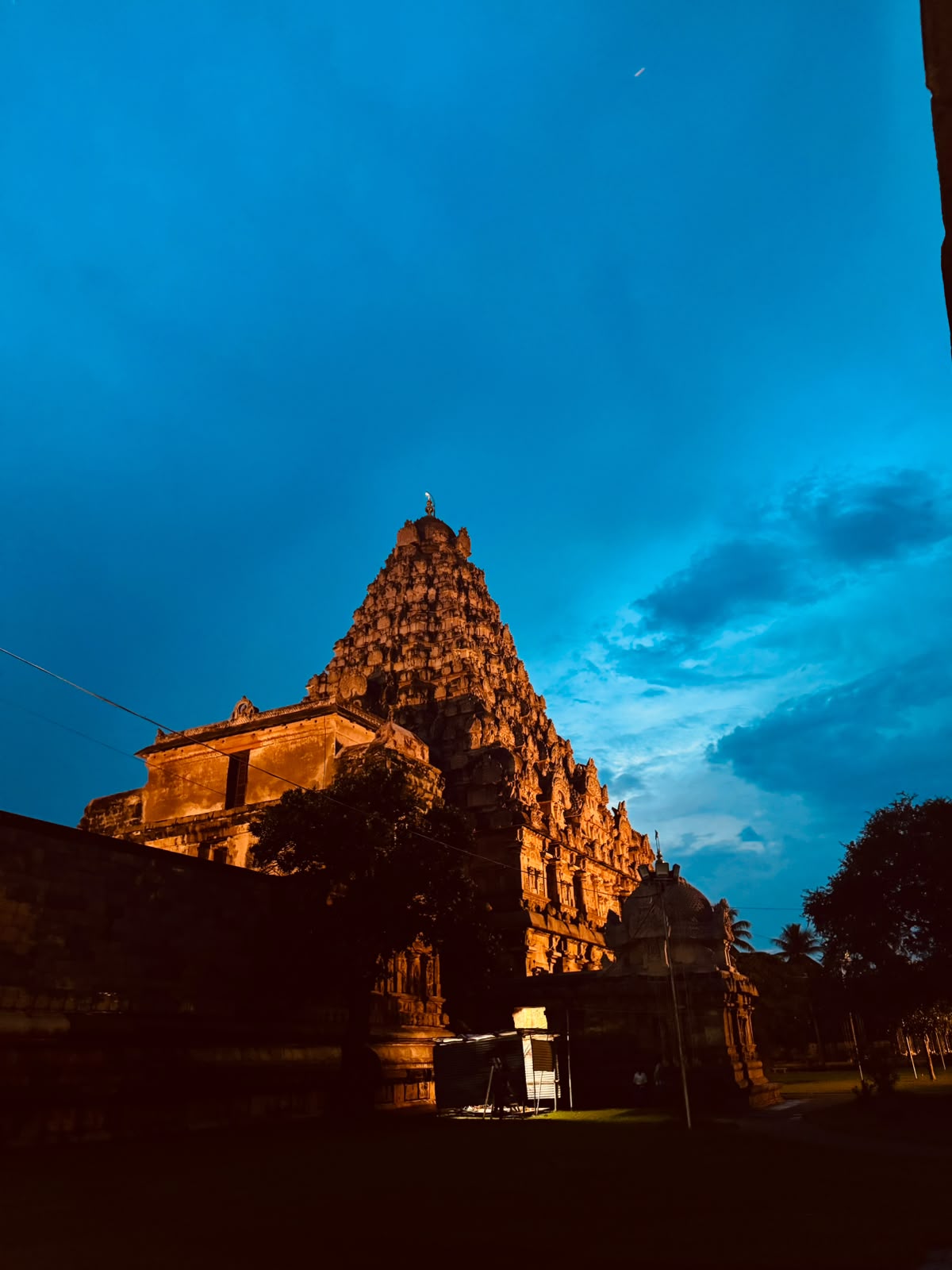

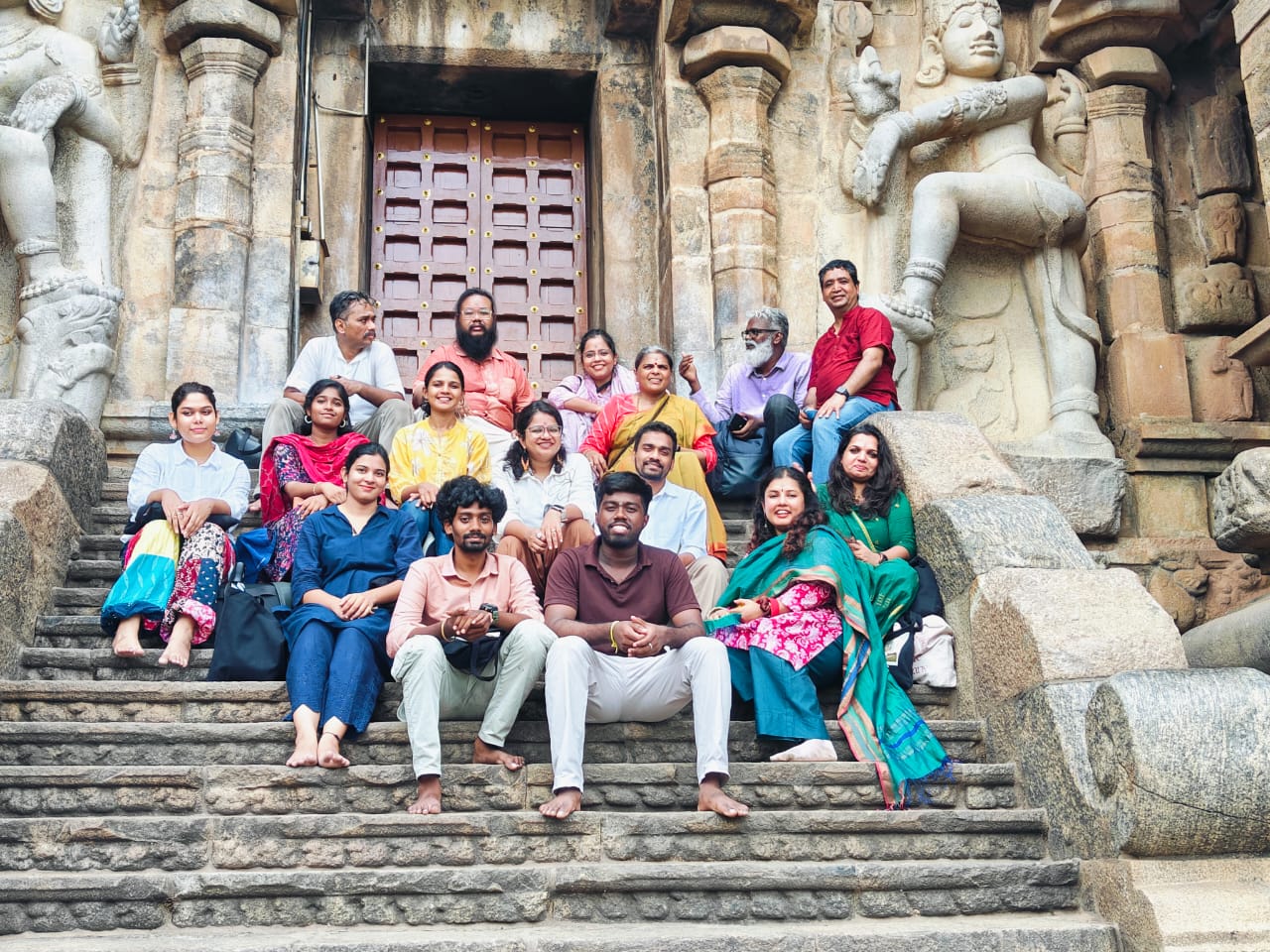
 The Department of History, SRM University-AP participated in a four-day field-based research methodology workshop titled ‘Art and Heritage of the Cholas’ in Tamil Nadu from 22 to 25 October 2026. Organised by The History Collective, the academic trip brought undergraduate and doctoral researchers directly to the landmark temple sites of Thanjavur and Gangaikondacholapuram. Led by Assistant Professor Dr Megha Yadav alongside historian Prof. R. Mahalakshmi from the Centre for Historical Studies at Jawaharlal Nehru University, the delegation engaged in structured on-site historical analysis to examine material remains, iconography, and temple architecture.
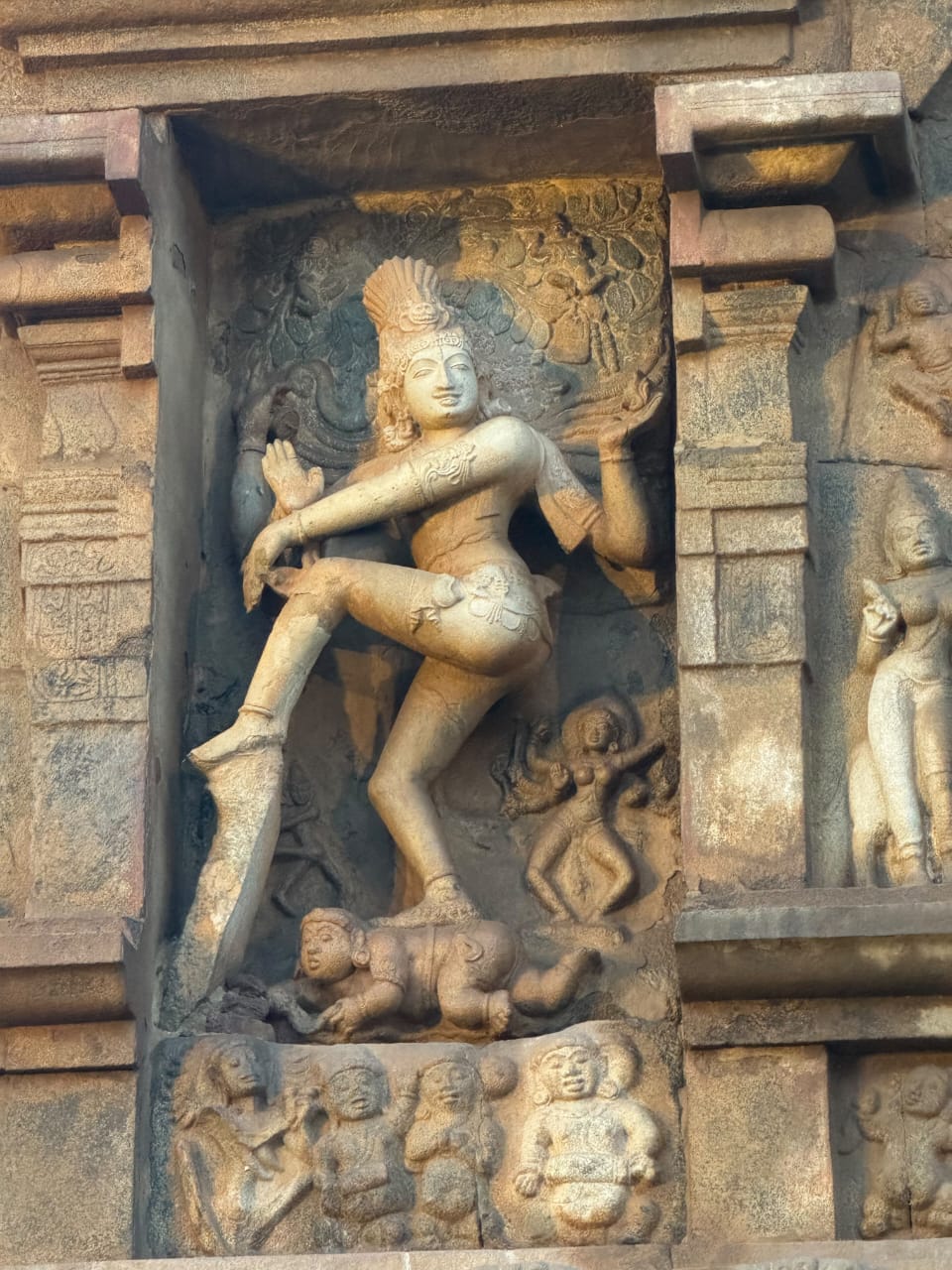
Moving beyond conventional classroom lectures, the workshop trained scholars to read stone sculptures, architectural layouts, and iconographic images as primary historical sources. Participants examined formal methods of visual analysis, connecting physical inscriptions and decorative motifs directly with classical literary texts and regional historical contexts. On-site discussions at the Chola monuments provided students with direct exposure to material culture, allowing them to evaluate how religious structures reflected medieval statecraft, patronage, and socio-economic systems. Methodological sessions with established scholars gave the team practical training in field documentation and qualitative historical inquiry.
The field experience enabled both undergraduate and PhD researchers to apply theoretical source criticism directly to physical artifacts. By examining how visual and material evidence complements or qualifies written records, students developed practical field skills required for rigorous historical writing. The direct interaction with expert faculty and ancient monuments strengthened the department’s analytical capabilities, highlighting the importance of physical evidence in constructing reliable historical accounts.
This field initiative reflects SRM University-AP’s commitment to advancing global standards in humanistic research and interdisciplinary learning. By offering students direct exposure to field methods and heritage analysis, the university prepares young researchers to participate in global academic discussions on material history, archaeology, and cultural preservation. Such practical learning opportunities support the university’s goal of developing scholars capable of contributing to global humanities research while analysing regional heritage with academic rigor.