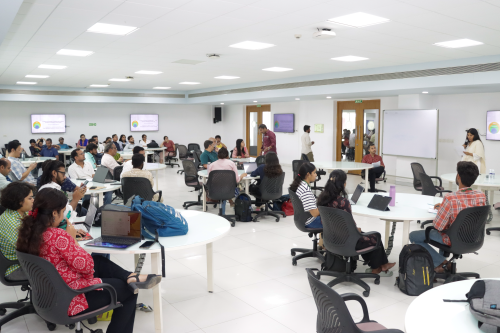

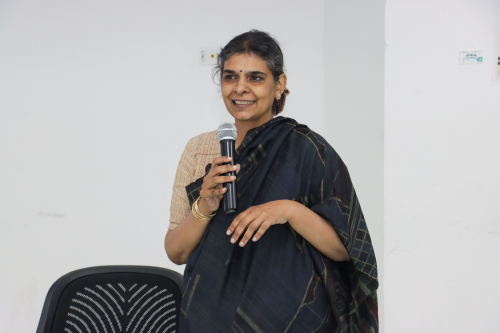
The Indian Knowledge System (IKS) Cell at SRM University–AP successfully organised a One-Day Mini Symposium titled “Integrating Traditions: A Symposium on Indian Knowledge Systems (IKS)” on 22 May 2026 at ALC 1 – Homi J Baba Block. The symposium was convened by Dr Chandana Deka with the objective of introducing students, faculty members, and researchers to various dimensions of Indian Knowledge Systems and their contemporary relevance. The event aligned with Sustainable Development Goals (SDGs) 4(Quality Education), 9(Industry, Innovation and Infrastructure), 11(Sustainable Cities and Communities), 12(Responsible Consumption and Production), and 13(Climate Action). The symposium served as a multidisciplinary academic platform encouraging dialogue between traditional knowledge systems and contemporary scientific, social, ecological, and technological concerns.
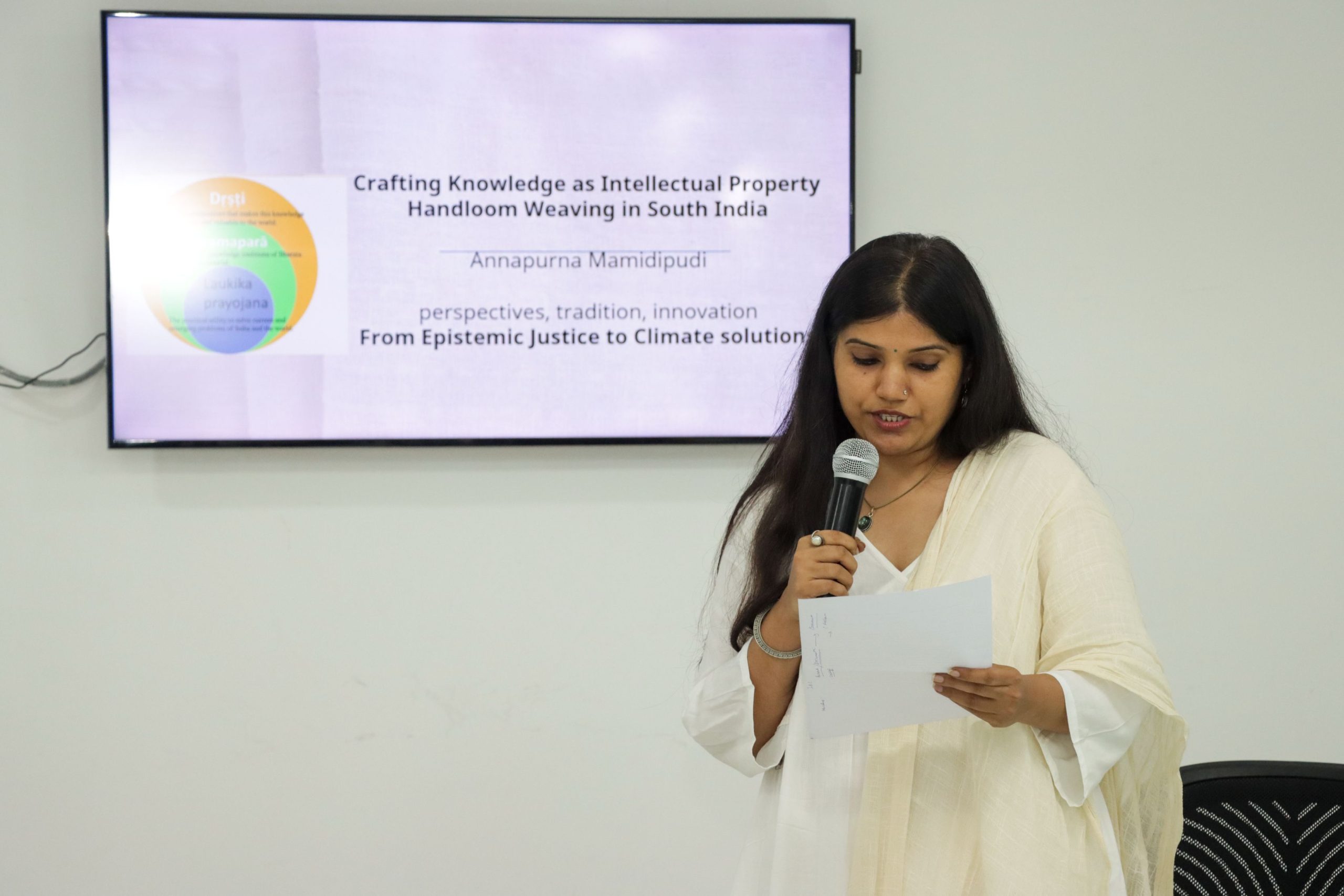
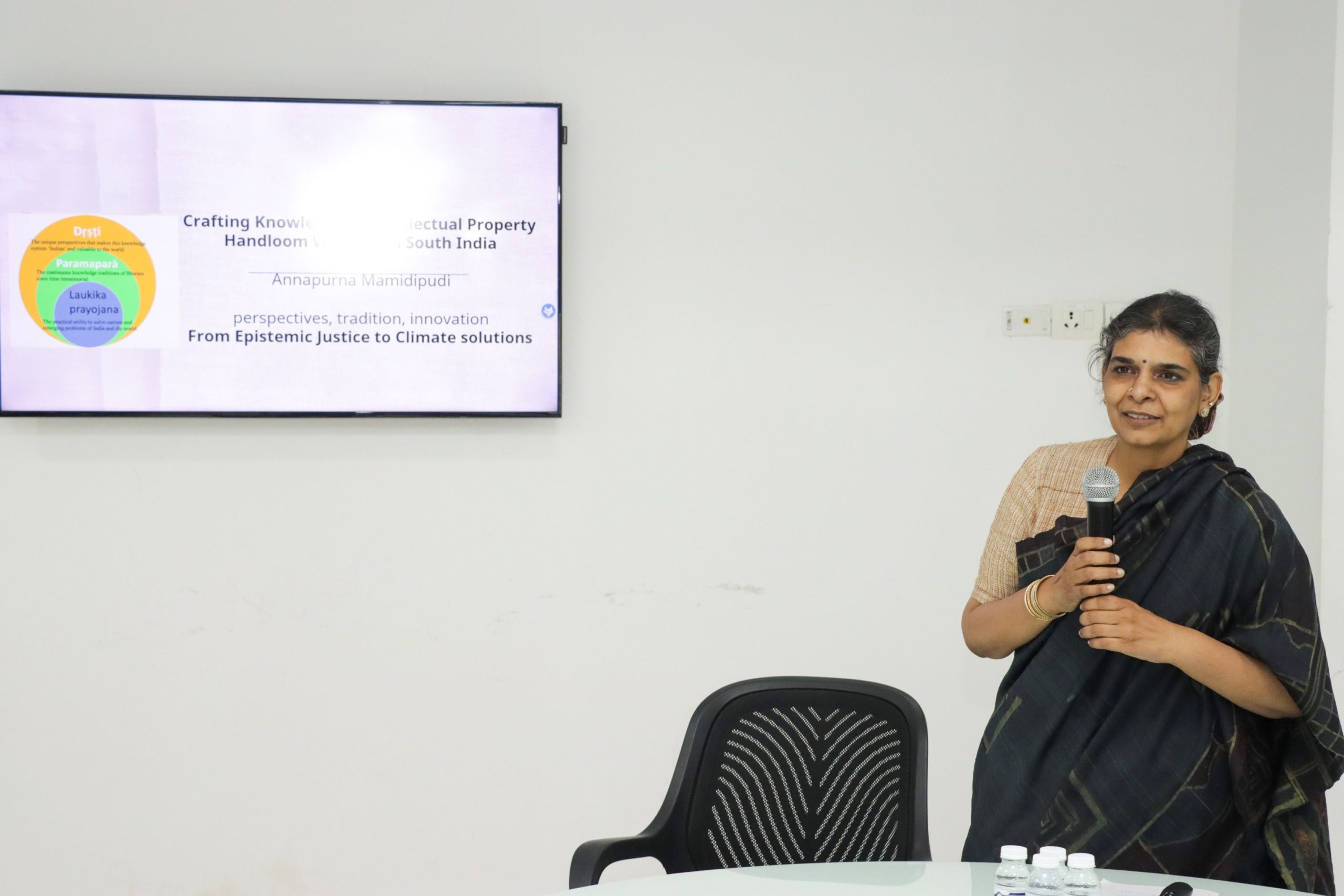
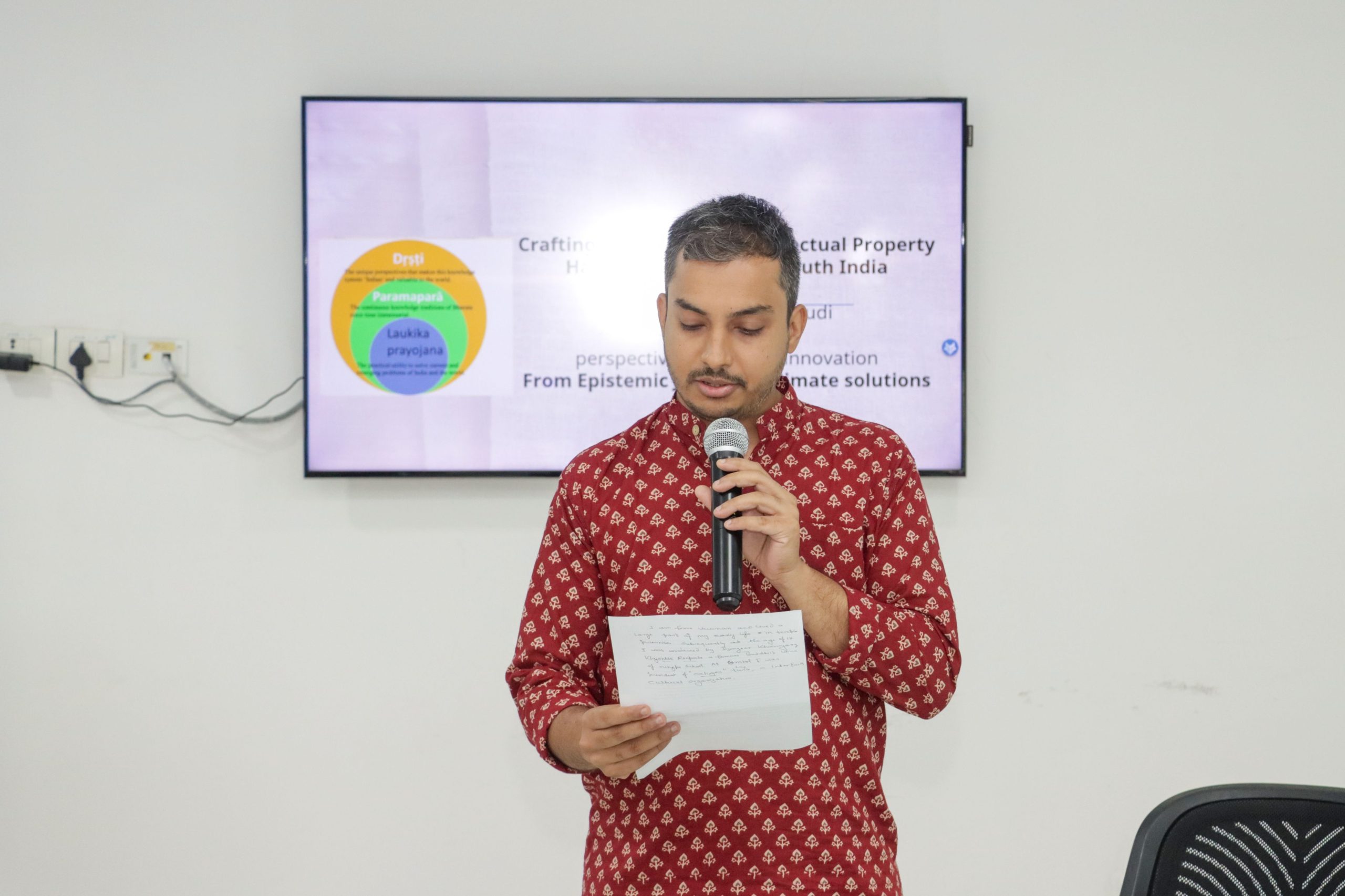
The programme commenced with an introductory session by Dr Aqsa Agha, who highlighted the importance of integrating indigenous intellectual traditions into higher education and research practices. The inaugural remarks emphasised the growing significance of Indian Knowledge Systems within contemporary academic discourse and national educational priorities. The first invited lecture was delivered by Dr Annapurna Mamidipudi on the topic “Crafting Knowledge as Intellectual Property: Handloom Weaving in South India.” The session explored artisanal knowledge traditions, intellectual property concerns, and the epistemic significance of hand-loom practices in South India. The speaker discussed how craft traditions embody complex systems of embodied knowledge, sustainability, and cultural continuity.
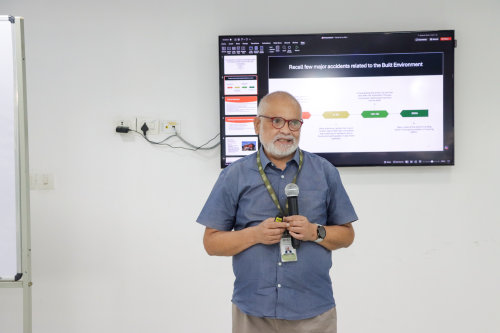
This was followed by a lecture by Prof. Niraj Upadhyay titled “Contribution of Indian Knowledge System in the Area of the Built Environment and Computing.” The session examined the intersections between traditional architectural principles, computational thinking, and modern technological innovations. The lecture highlighted the relevance of indigenous approaches to design, sustainability, and computational logic in present-day scientific research.
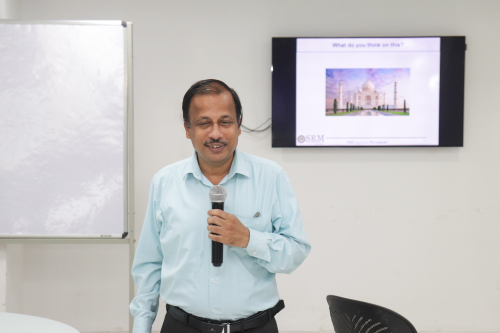
Following the tea break, Prof. Jayaseelan Murugaiyan delivered a talk titled “Importance of Knowing Thyself – Understanding Traditional Knowledge in the Modern Era!” The lecture reflected upon the philosophical and biological dimensions of self-awareness and discussed the enduring relevance of traditional systems of knowledge in addressing modern social and ethical challenges.
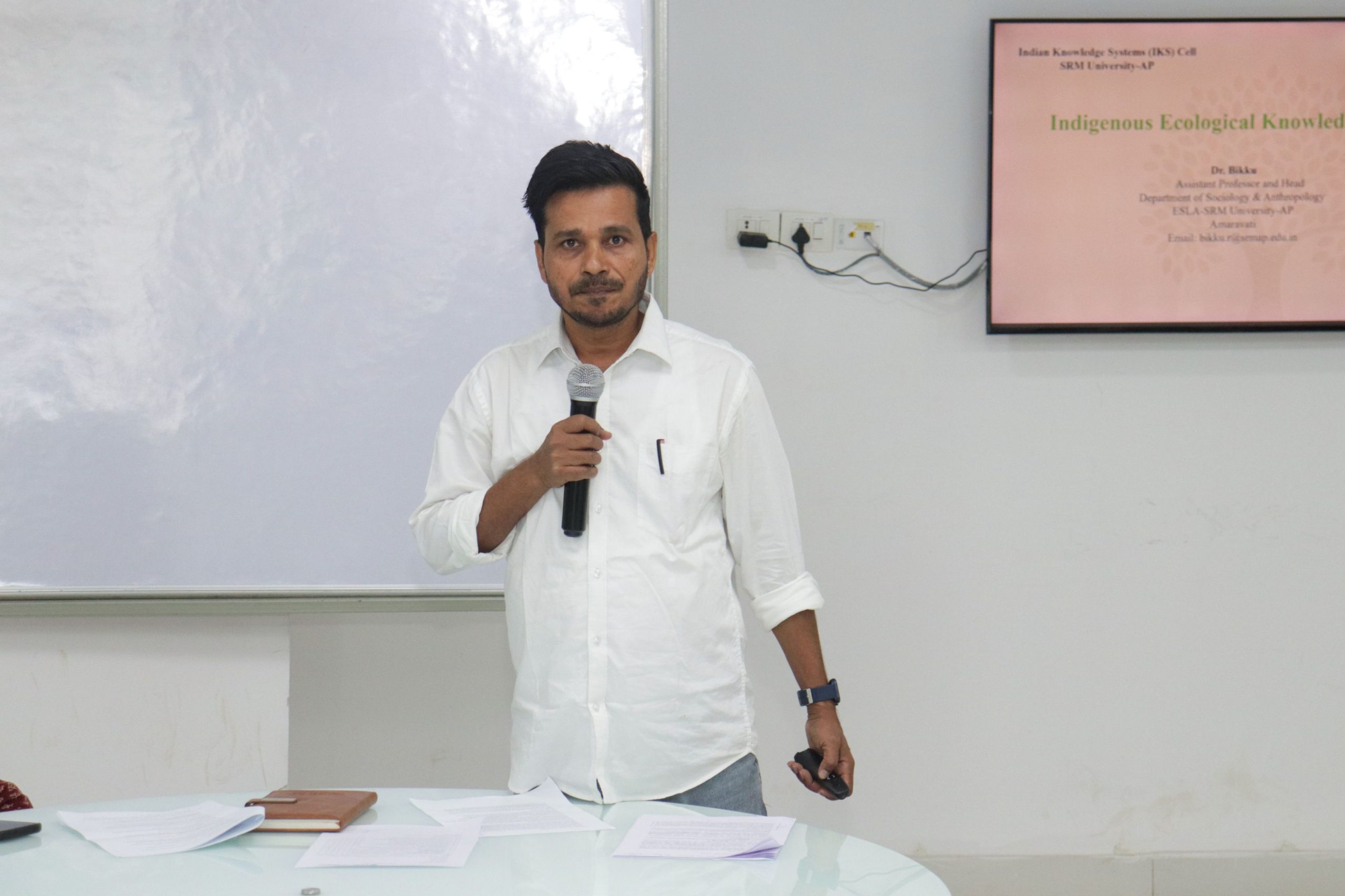
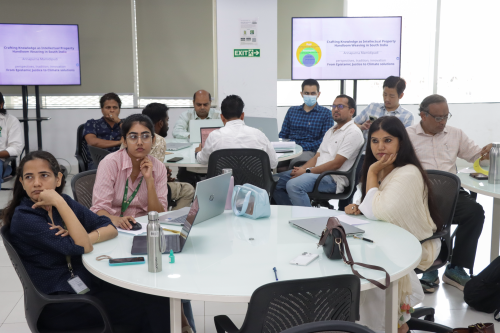
The final invited lecture was delivered by Dr Bikku on “Indigenous Ecological Knowledge Systems (IEKS).” The session focused on ecological wisdom embedded within indigenous communities and emphasised sustainable environmental practices rooted in local traditions and community-based knowledge systems. The symposium concluded with an interactive Question-and-Answer session, during which participants engaged actively with the speakers on themes including epistemology, sustainability, indigenous sciences, ecology, ethics, and interdisciplinary research methodologies. The event witnessed enthusiastic participation from students, faculty members, and researchers across disciplines.
Overall, the symposium successfully fulfilled its objectives of introducing the conceptual foundations of Indian Knowledge Systems, promoting interdisciplinary engagement, and encouraging critical reflection on indigenous intellectual traditions. The programme provided an important academic platform for fostering awareness and future initiatives related to IKS at SRM University–AP.
The symposium successfully achieved its core objectives by introducing participants to the foundational concepts of Indian Knowledge Systems (IKS). It sparked great interdisciplinary engagement across the fields of humanities, sciences, and technology. The event highlighted how traditional ecological and epistemological frameworks remain deeply relevant in modern research. Attendees also gained valuable awareness about ongoing academic work in this field. Ultimately, this gathering built a strong foundation for future workshops, seminars, and joint research projects.
In terms of overall outcomes, the event greatly enhanced awareness of Indian Knowledge Systems among both students and faculty. It created a vibrant space for open, interdisciplinary academic dialogue. This success has encouraged a new wave of research interest in indigenous knowledge traditions. Finally, the symposium strengthened vital institutional efforts to blend IKS deeply into higher education and ongoing research practices.