

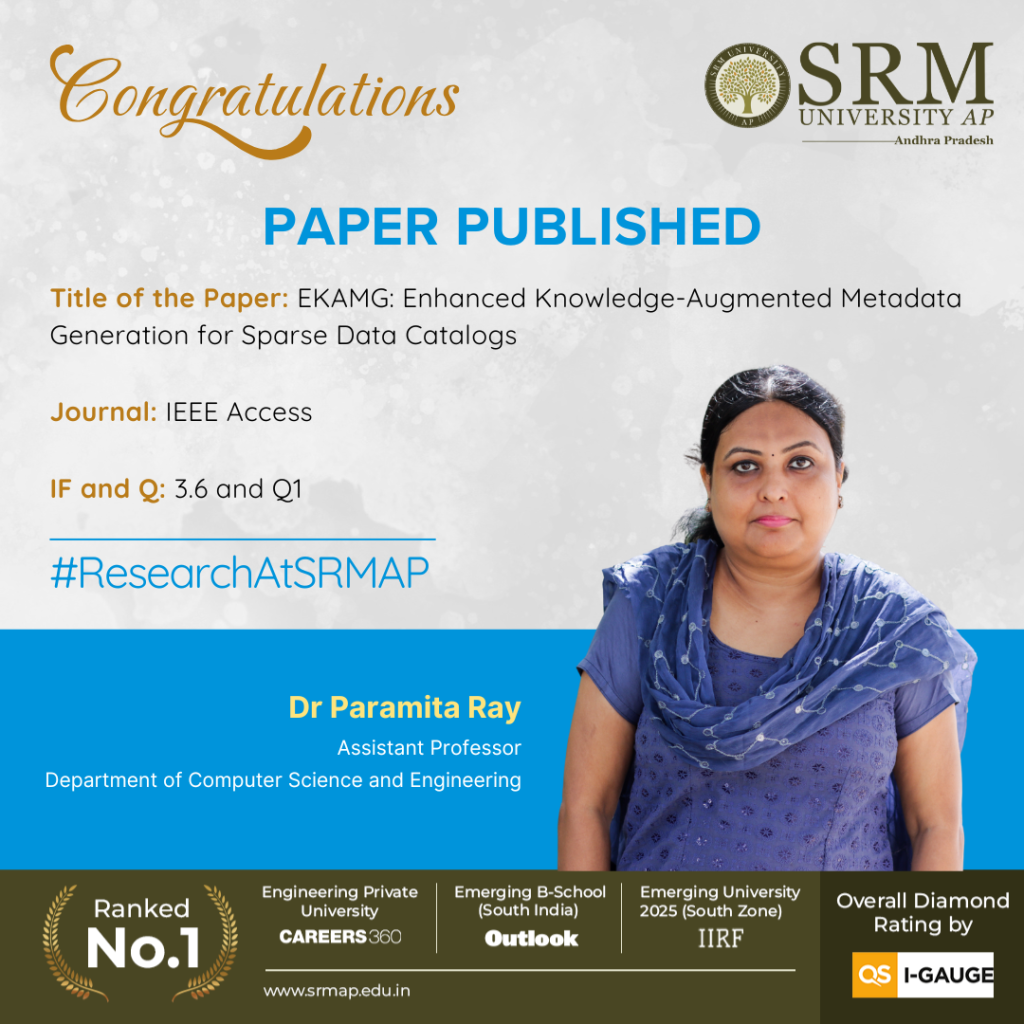
Dr Paramita Ray, Assistant Professor, Department of Computer Science and Engineering, has published a paper titled “EKAMG: Enhanced Knowledge-Augmented Metadata Generation for Sparse Data Catalogs” in the Q1 journal IEEE Access.
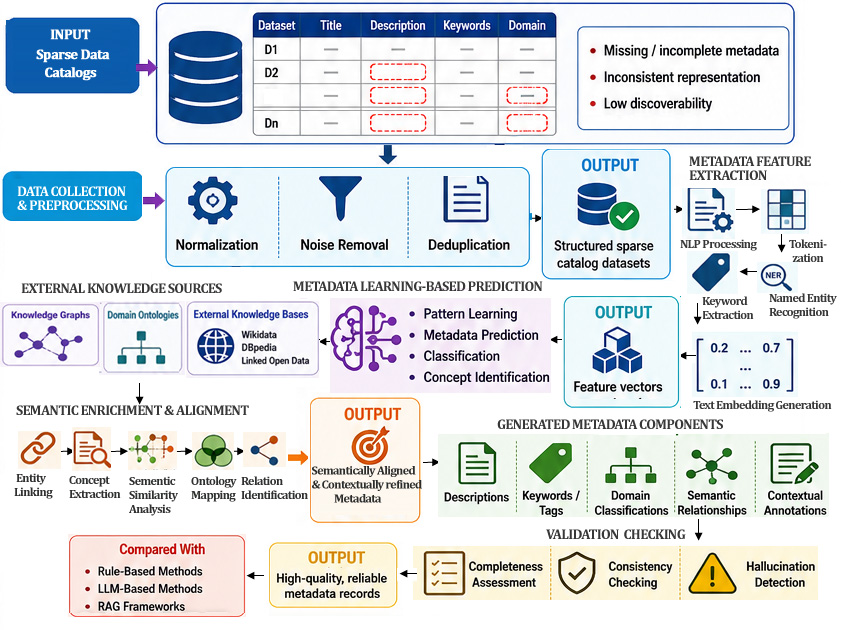
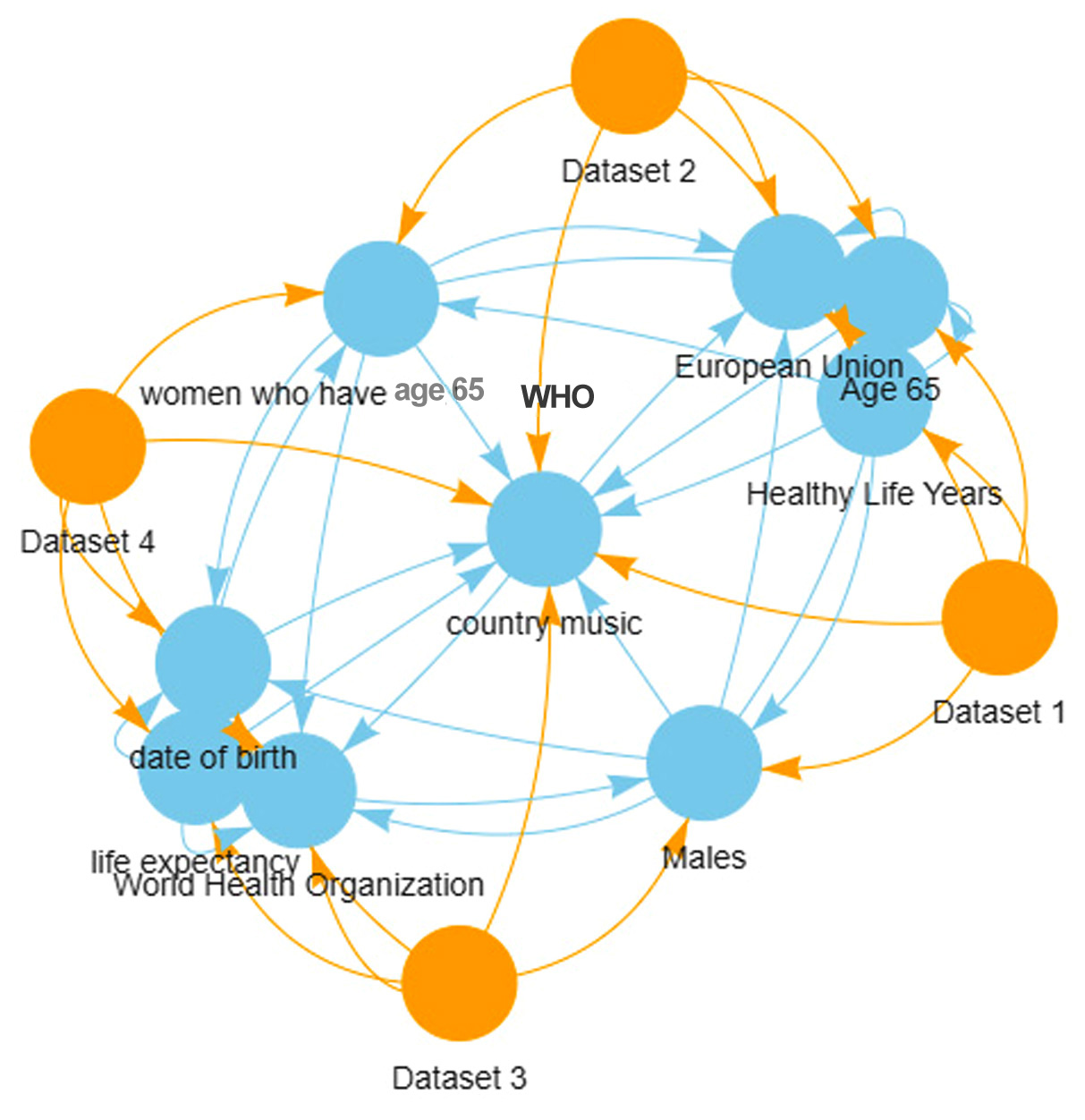
The EKAMG framework presented in the article represents a significant advancement in intelligent metadata generation by combining machine learning, semantic enrichment, and knowledge augmentation techniques. Its practical applications can improve the efficiency, scalability, and reliability of data catalog management, while its broader social benefits include enhanced data accessibility, support for open science, informed policymaking, organizational efficiency, and greater trust in data-driven systems. As data volumes continue to grow across sectors, the framework has the potential to become an important tool for building more connected, accessible, and knowledge-rich data ecosystems.
Abstract
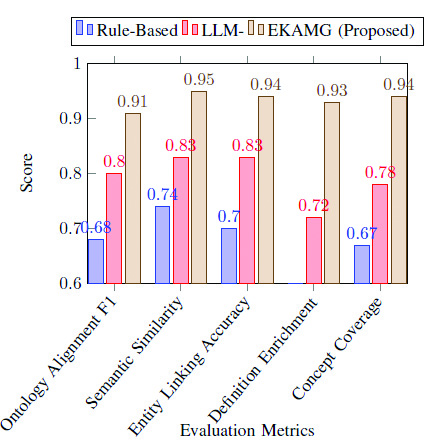
Data catalogs play an essential role in supporting efficient data discovery, integration, and reuse. Unfortunately, many of these real-world data catalogs are often sparse and lack sufficient or consistent metadata, reducing their overall utility. Existing approaches for the automatic generation of metadata, such as rule-based systems, large language models (LLMs), retrieval-augmented generation (RAG) frameworks, and knowledge graph techniques, have their own set of limitations. These models often struggle with incomplete or diverse catalogs, can produce errors or even hallucinations, and typically depend on structured input or significant human intervention to function properly. However, their performance may be further constrained by challenges such as limited coverage, scalability, and integration complexity. An Enhanced Knowledge-Augmented Metadata Generation (EKAMG) framework has been proposed to address this issue. It uses machine learning, semantic enrichment, and external knowledge bases to automatically produce high-quality metadata from sparse data sets. The suggested approach is assessed using benchmark and real-world catalog datasets and compared with several current cutting-edge metadata generation models. The EKAMG framework achieves an improvement of 25–30% in metadata completeness, a 20% increase in semantic alignment accuracy, and reduces hallucination errors by almost 10% compared to existing methods.
Practical Implementation of Research
The proposed Enhanced Knowledge-Augmented Metadata Generation (EKAMG) framework offers a practical solution to one of the most persistent challenges in modern data management: the lack of complete, consistent, and high-quality metadata in data catalogs. The framework can be deployed within existing data cataloging platforms, data lakes, data warehouses, and enterprise data governance systems to automatically generate and enrich metadata for datasets that contain limited or incomplete descriptions.
In organizational environments, EKAMG can significantly reduce the manual effort required for metadata creation and maintenance. Data stewards, catalog administrators, and domain experts often spend substantial time documenting datasets, assigning keywords, creating descriptions, and establishing semantic relationships among data assets. By leveraging machine learning, semantic enrichment techniques, and external knowledge bases, the framework automates these tasks while maintaining high levels of accuracy and contextual relevance.
The framework can be applied across multiple domains:
- Healthcare: Enhances metadata for clinical, biomedical, and public health datasets, enabling faster data discovery and integration for research and patient care applications.
- Government and Public Sector: Improves the quality of open-data portals, making public datasets more searchable, understandable, and reusable for citizens, researchers, and policymakers.
- Education and Research: Supports research data repositories by automatically generating descriptive metadata, facilitating collaboration and reproducibility of scientific studies.
- Business and Industry: Enables organizations to improve data governance, regulatory compliance, and analytics by ensuring that datasets are properly documented and easily accessible.
- Environmental and Geographic Information Systems: Assists in organizing large-scale environmental, climate, and geospatial datasets, promoting efficient data sharing and analysis.
The EKAMG framework can also serve as a foundational component for advanced data management applications such as data lineage tracking, intelligent data recommendation systems, automated data integration pipelines, and semantic search engines. Its ability to improve metadata completeness by 25–30% and semantic alignment accuracy by 20% demonstrates its practical value in creating more reliable and efficient data ecosystems.
Social Implications of the Research
The societal impact of the EKAMG framework extends beyond technical improvements in metadata generation. High-quality metadata is essential for ensuring that data can be effectively discovered, interpreted, shared, and reused. By addressing metadata sparsity and inconsistency, the framework contributes to the development of more accessible and trustworthy data infrastructures.
One significant social benefit is the promotion of open science and knowledge sharing. Researchers often struggle to locate relevant datasets due to poor metadata quality. By automatically generating richer metadata, the framework facilitates data discoverability and encourages collaboration across institutions, disciplines, and geographical regions. This can accelerate scientific innovation and improve the reproducibility of research findings.
In the context of public administration and governance, better metadata supports evidence-based policymaking. Government agencies can more effectively organize and share public datasets, enabling greater transparency, accountability, and citizen engagement. Improved access to public information can empower communities to participate more actively in decision-making processes.
The framework also contributes to digital transformation initiatives by helping organizations unlock the value of their data assets. Improved metadata quality enhances the efficiency of data-driven decision-making, leading to better outcomes in healthcare, education, environmental management, and economic development.
Furthermore, by reducing dependence on manual metadata creation, the framework lowers operational costs and minimizes human errors. Its ability to reduce hallucination errors by approximately 10% improves trust in automatically generated metadata and supports the responsible adoption of artificial intelligence in data management systems.
However, certain considerations remain important. The framework’s reliance on external knowledge sources requires careful management to ensure data quality, fairness, and bias mitigation. Organizations implementing the system should establish governance mechanisms to validate generated metadata and maintain transparency in automated decision-making processes.
Future Research Plans
Future research will focus on further enhancing the EKAMG framework by integrating advanced Large Language Models (LLMs), domain-specific knowledge graphs, and explainable AI techniques to improve the accuracy, transparency, and reliability of metadata generation. The framework will be extended to support multilingual and cross-domain metadata generation, enabling its application across diverse data ecosystems. Additionally, efforts will be made to develop real-time metadata enrichment capabilities for dynamic and continuously evolving data catalogs. Future work will also explore privacy-preserving and federated learning approaches to ensure secure metadata generation in distributed environments. Furthermore, intelligent data discovery and recommendation mechanisms will be incorporated to maximize the usability and accessibility of data assets. These advancements aim to establish EKAMG as a scalable, automated, and trustworthy solution for next-generation metadata management and data governance systems.
Read the article