
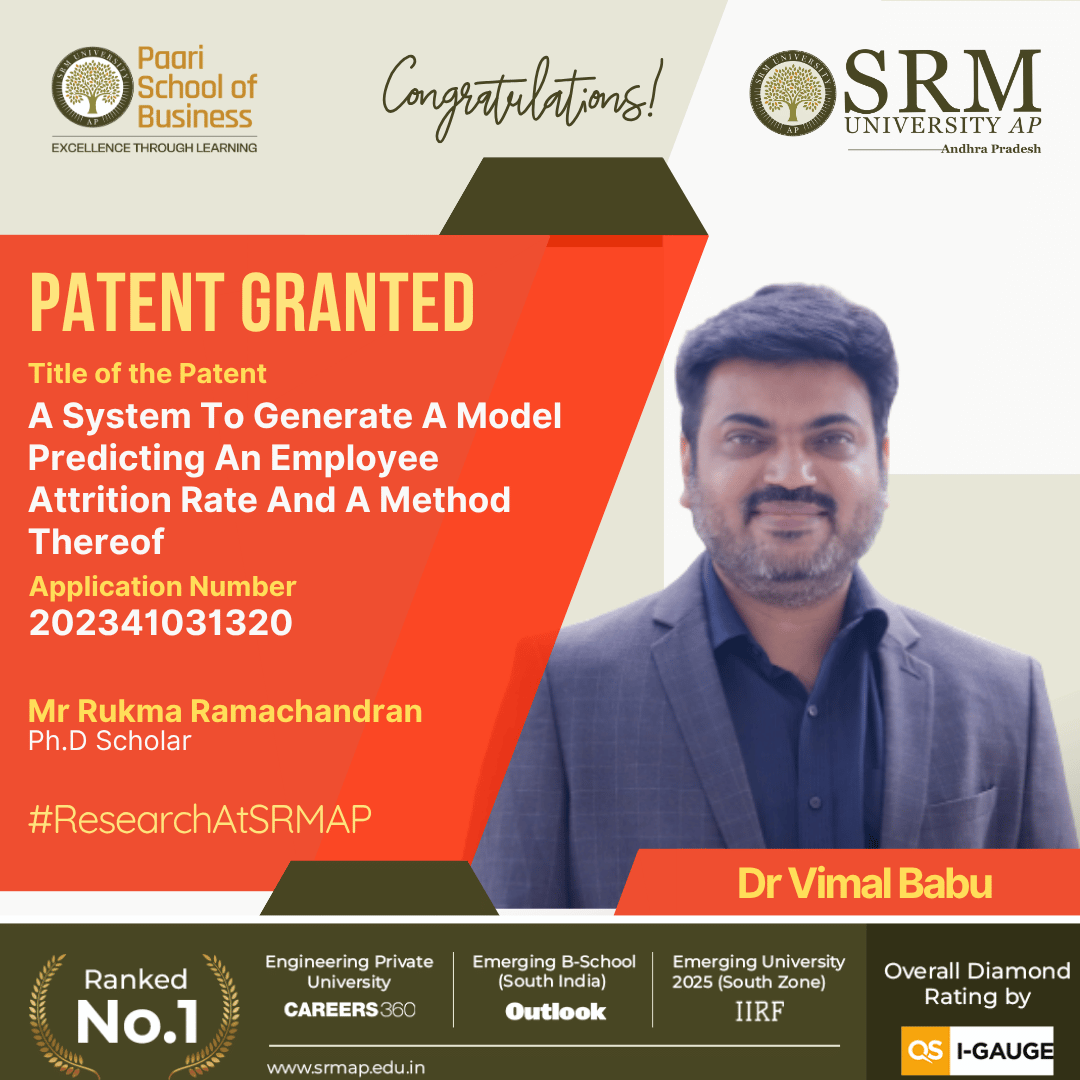
 Employee attrition means workers leaving a company, which raises costs and disrupts stability. “A System To Generate A Model Predicting An Employee Attrition Rate And A Method Thereof” has been granted to Dr Vimal Babu, Associate Professor, Paari School of Business, and Mr Rukma Ramachandran (Ph.D Scholar) in the Indian Patent Office Journal addressing this issue.
This study aims to predict which employees might quit, using data about factors that influence turnover. A common tool for this is the Random Forest algorithm, which builds many decision trees to classify and predict outcomes. While effective, it can be slow because of the large number of trees. To improve speed and accuracy, the study introduces a modified version using fractional factorial design. Tests showed this new method outperformed Random Forest and other models like SVM, Logistic Regression, Naïve Bayes, K‑NN, Decision Tree, XGBoost, and Neural Networks.
Abstract:
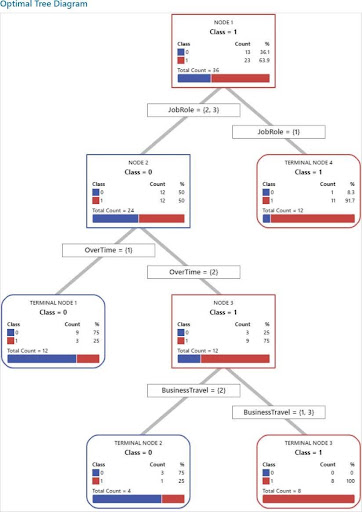
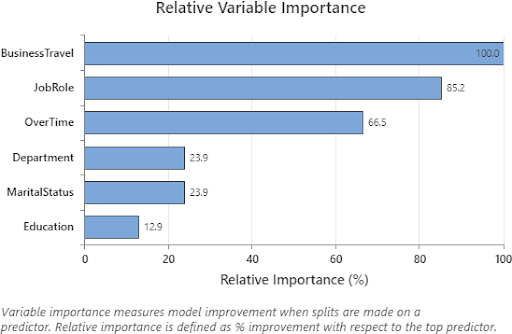
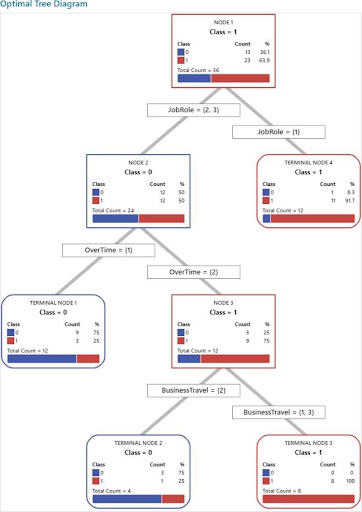
The problem of employee attrition in every organisation is concerning the employee turnover ratio, thereby increasing the cost of investment in human resources. Various factors are responsible for the rapid attritions at different phased. The purpose of the current study is to predict the employees who are likely to leave the organisation. The factors that lead to attrition are identified using Random Forest algorithm. Random Forest algorithm is a widely used supervised machine learning technique for classification and prediction. However, the random forest algorithm has certain issue like it is too slow and ineffective for real time predictions. i.e., the large number of trees can make the algorithm, which results in slower model.
Therefore, the study proposes, a new alternative for choosing the appropriate decision trees based on the concept of fractional factorial design of experiments. The different performance criteria were compared across the modified random forest algorithm, existing random forest algorithm, Support Vector Machine (SVM), Logistic Regression (LR), Navie Bayes (NB), K – Nearest Neighbour (K-NN), Decision Tree, XG Boost tree and Neural Network (NN). It was found that the modified random forest algorithm excelled in all criteria and performed better than the existing ones.
Practical Implications
- Helps organisations predict employee attrition early, allowing HR teams to take proactive measures.
- Reduces recruitment and training costs by retaining valuable employees.
- Provides a data-driven tool for workforce planning and resource allocation.
- Improves decision-making speed and accuracy compared to traditional methods.
Social Implications
- Enhances job satisfaction by identifying stressors or dissatisfaction before employees resign.
- Promotes employee well-being through targeted interventions.
- Supports fair and inclusive workplaces by analysing diverse factors behind attrition.
- Contributes to economic stability, as lower attrition benefits both organisations and society by reducing unemployment cycles.
Future research plans
Building on the proposed modified Random Forest algorithm for employee attrition prediction, future research will focus on three directions:
- Scalability and Real‑Time Applications – Enhancing the model to handle large, dynamic datasets for real‑time HR analytics.
- Cross‑Industry Validation – Testing the framework across diverse sectors (IT, manufacturing, healthcare) to establish generalisability.
- Integration with HRM Systems – Embedding the algorithm into organisational decision‑support tools to provide actionable insights for employee retention strategies.
Additionally, comparative studies with emerging AI techniques (e.g., deep learning, ensemble hybrids) will be undertaken to improve accuracy and interpretability further.
Collaborations
- Dr Rukma Ramachandran, Assistant Professor, SR University, Telangana
- Dr Vijaya Prabhagar Murugesan, Assistant Professor, Indian Institute of Management, Jammu
- Dr Vimal Babu, Associate Professor, Paari School of Business, SRM University AP
The link to the article : https://www.inderscienceonline.com/doi/abs/10.1504/IJENM.2026.152908