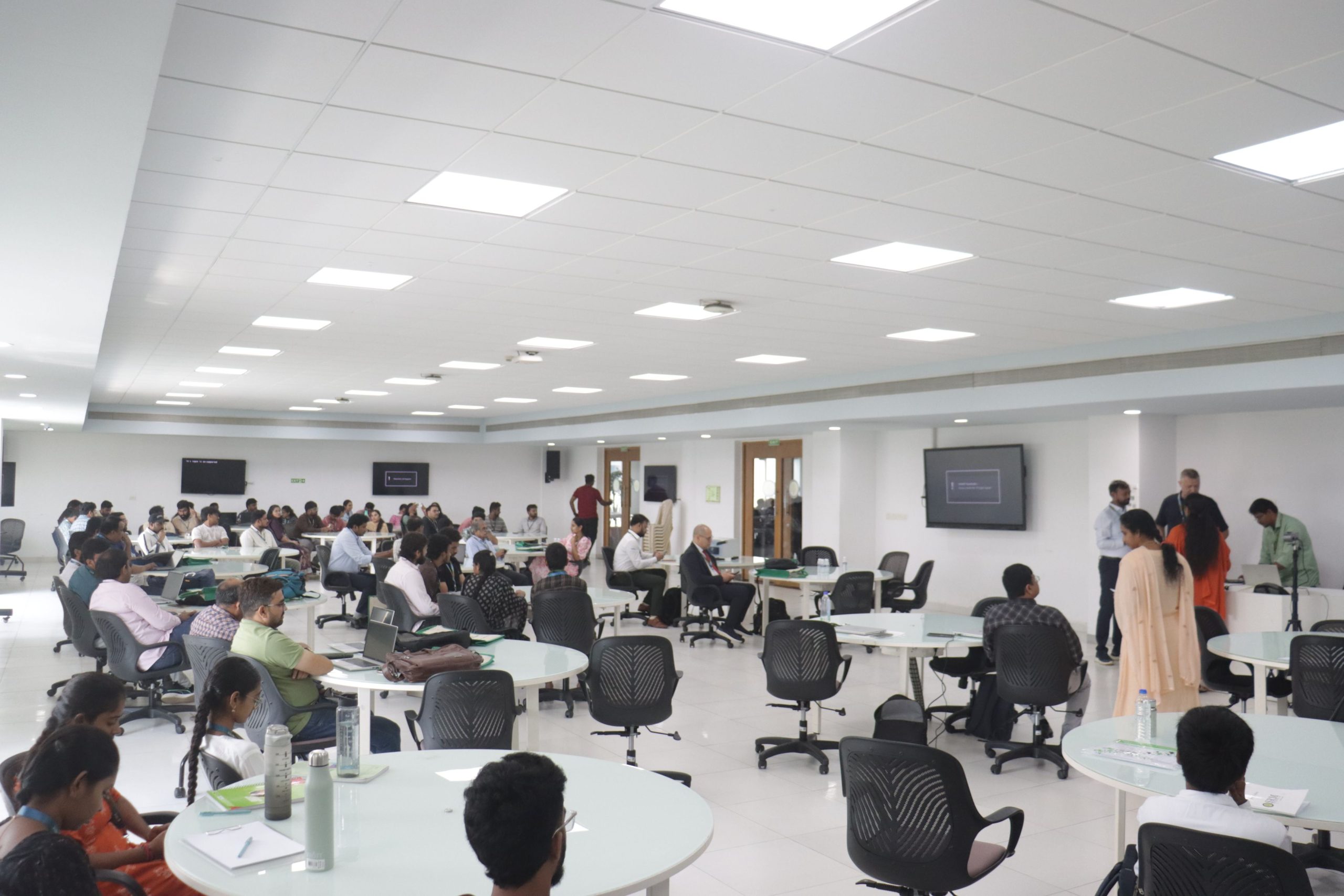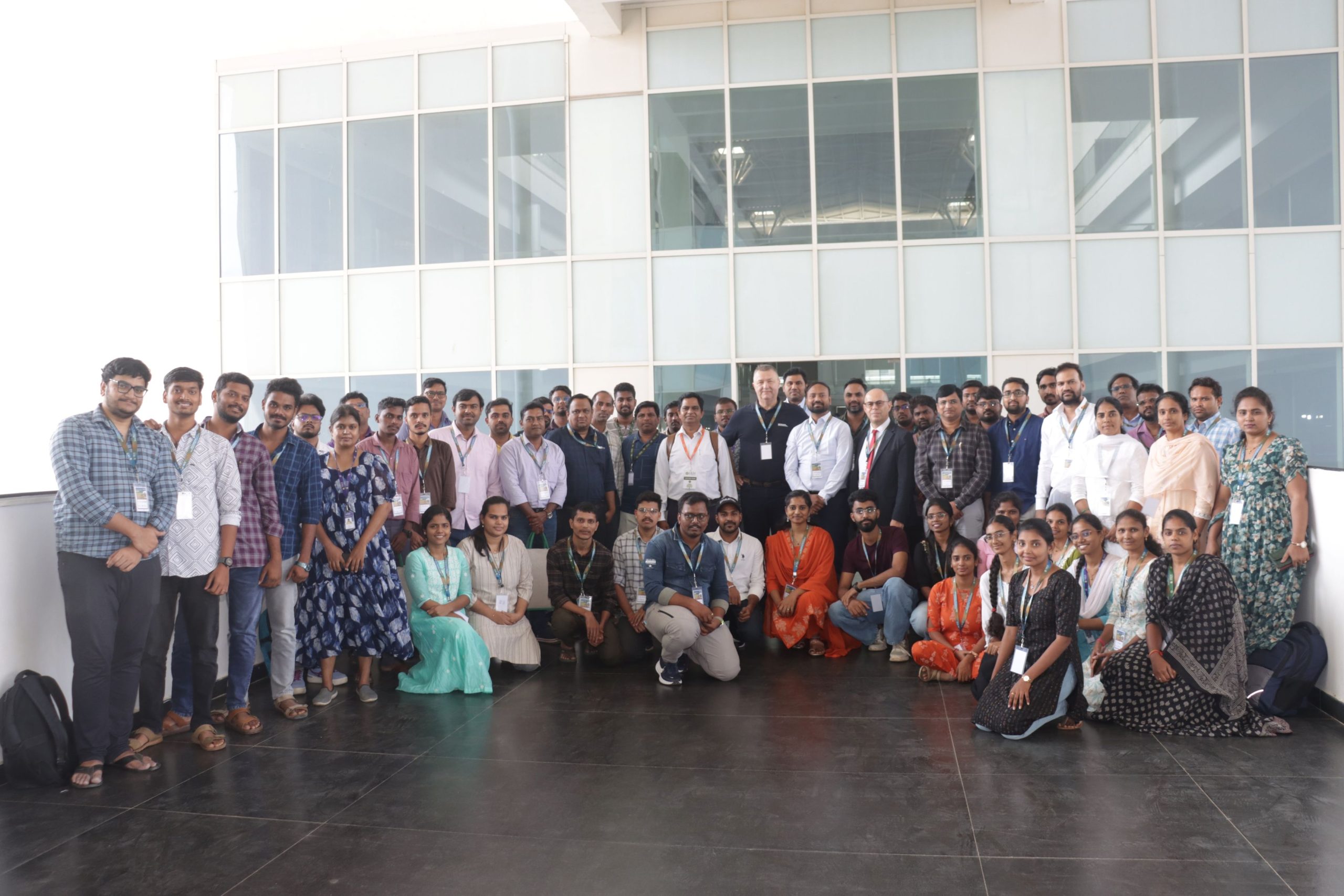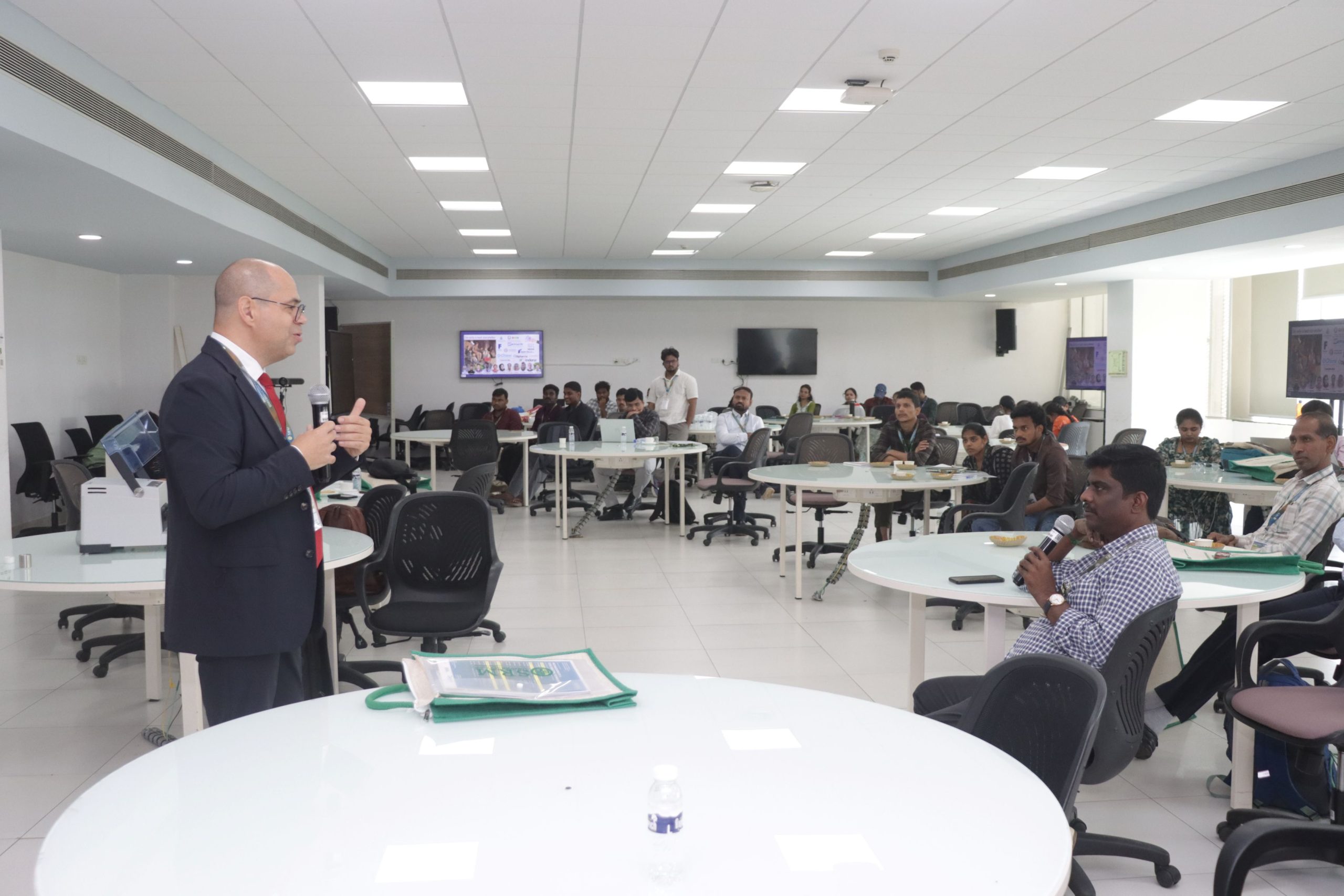

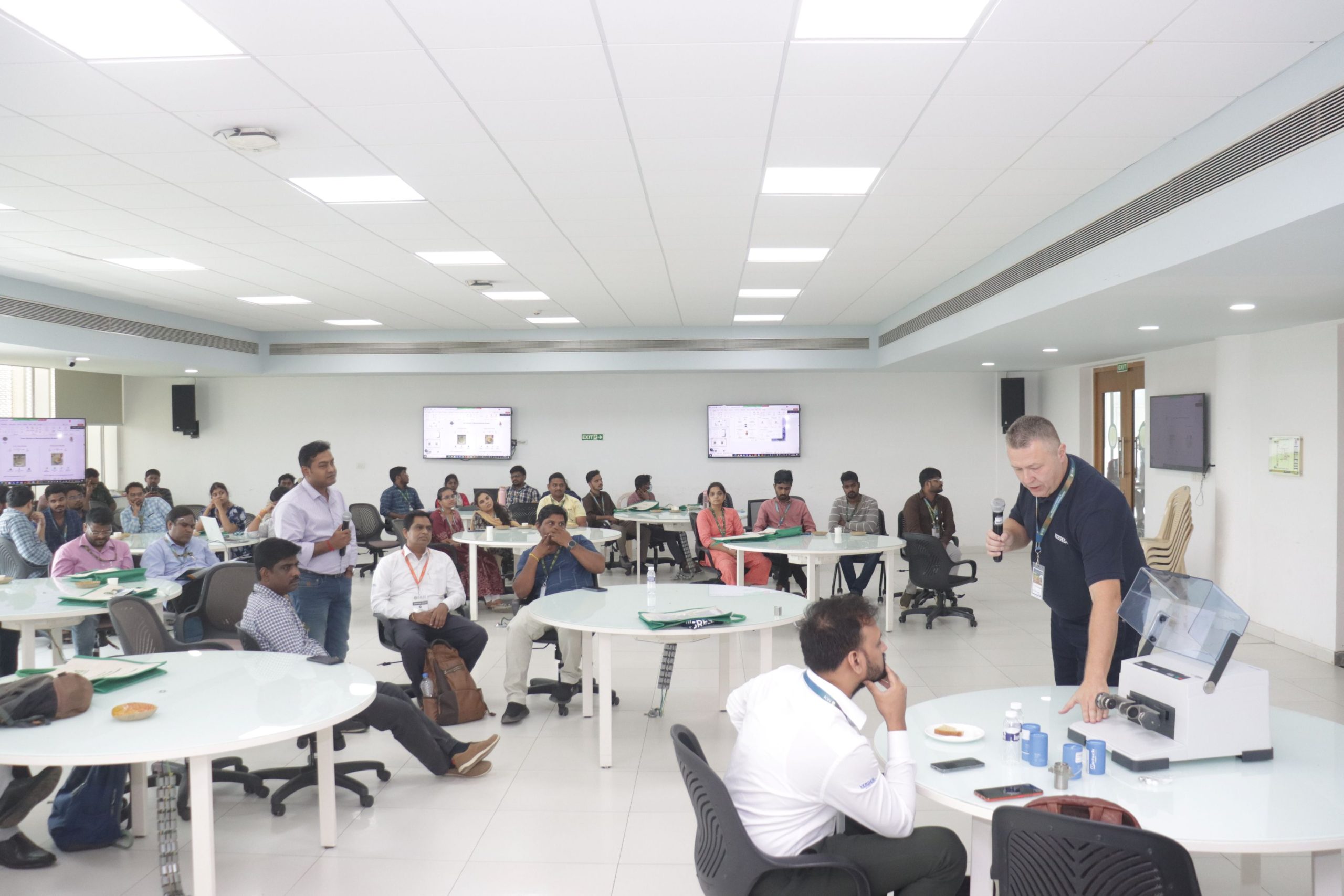
 The Department of Chemistry and the Department of Electronics and Communication Engineering at SRM University-AP, in collaboration with Verder Scientific India, jointly organised the inaugural International Workshop on “Mechanochemistry & Semiconducting Technologies” on October 26, 2026, at the university campus. Centred on the theme “Advancing Materials Innovation for Resilient Semiconductor Technologies”, the gathering convened global researchers, industry leaders, and faculty members to examine eco-friendly synthesis methods and advanced materials processing. Convened by Prof. Pardha Saradhi Maram and co-convened by Dr Sujith Kalluri, the proceedings were attended by Dean of Research Prof. Ranjit Thapa and Assistant Dean of Research Prof. Mahesh Ravva.
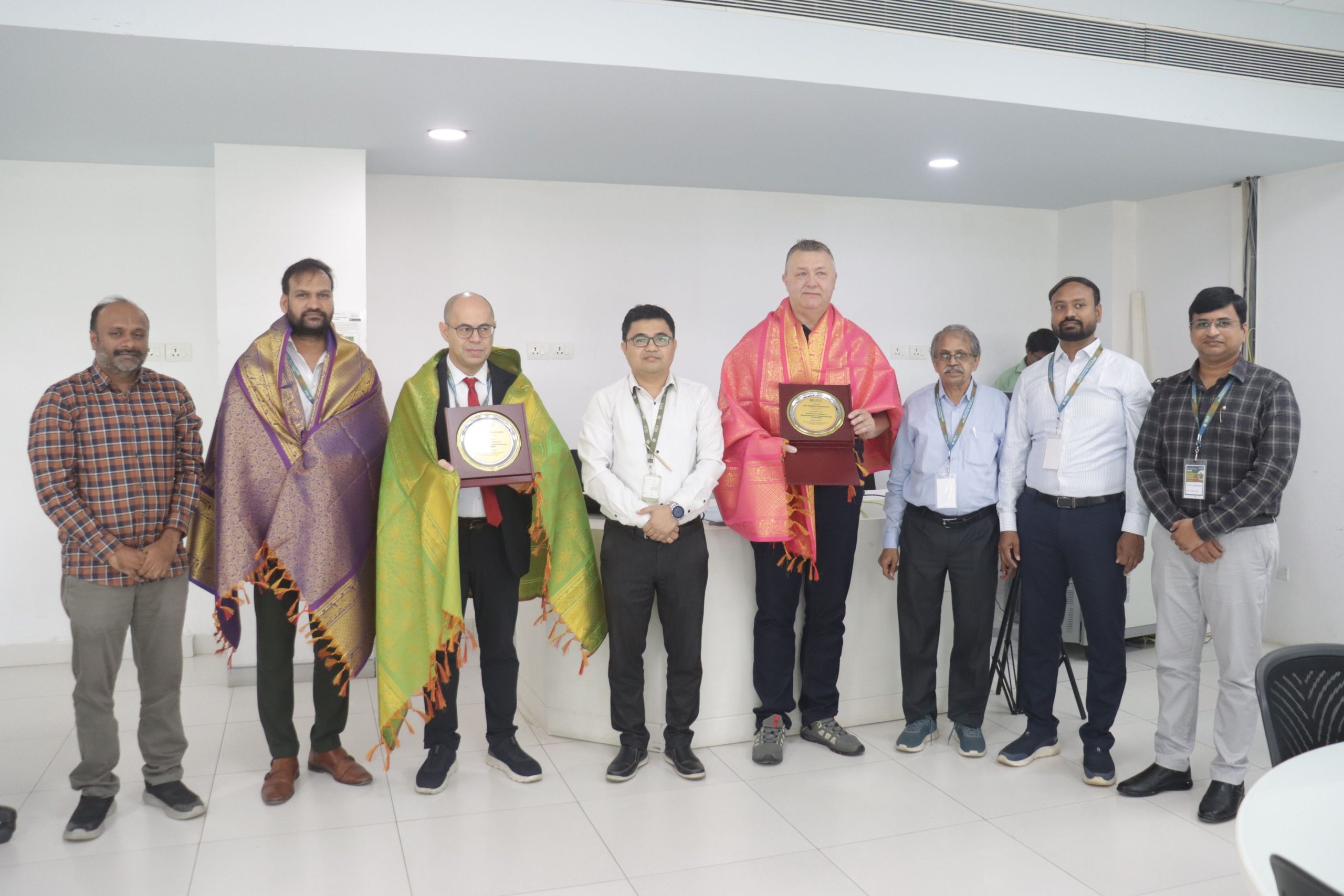
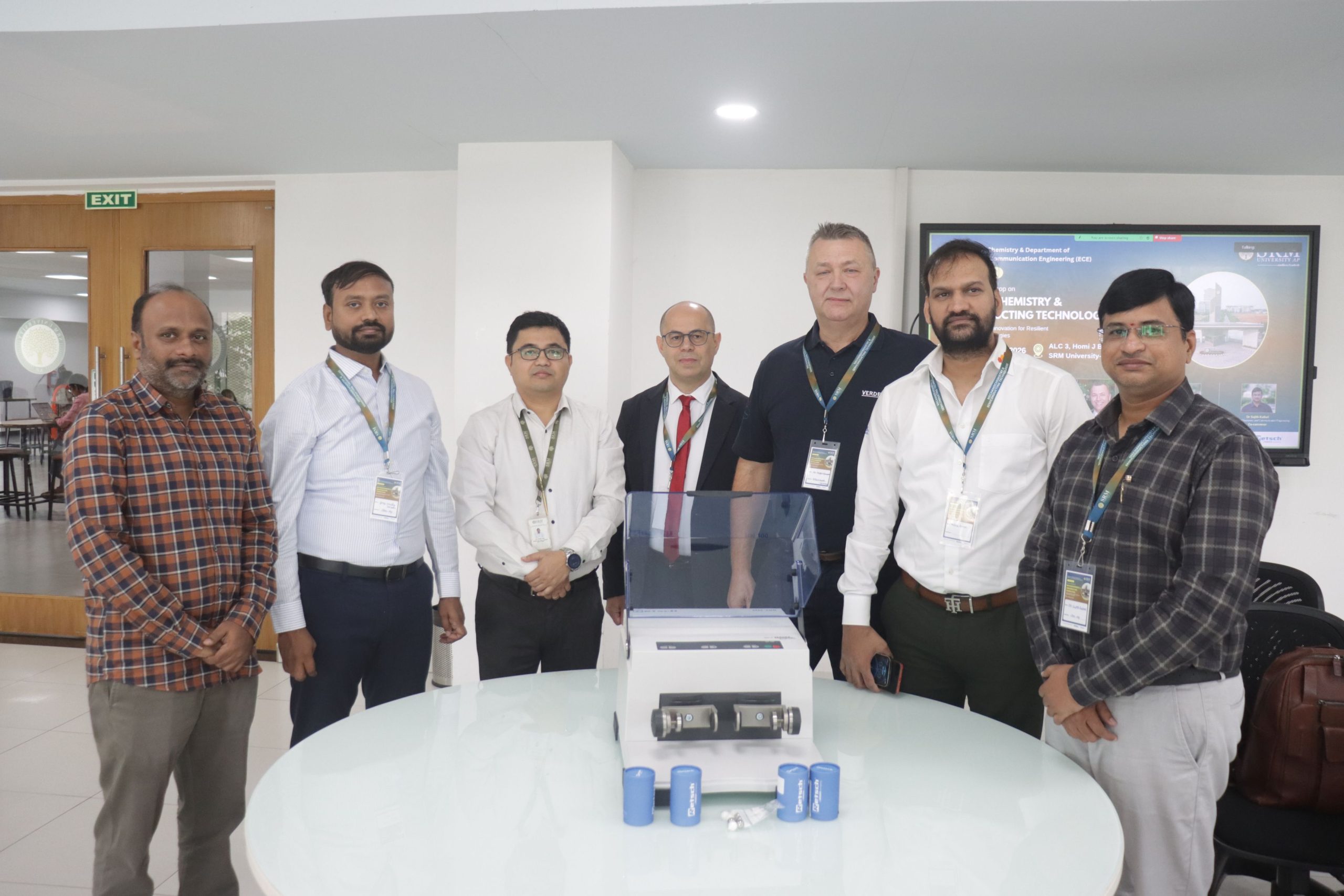
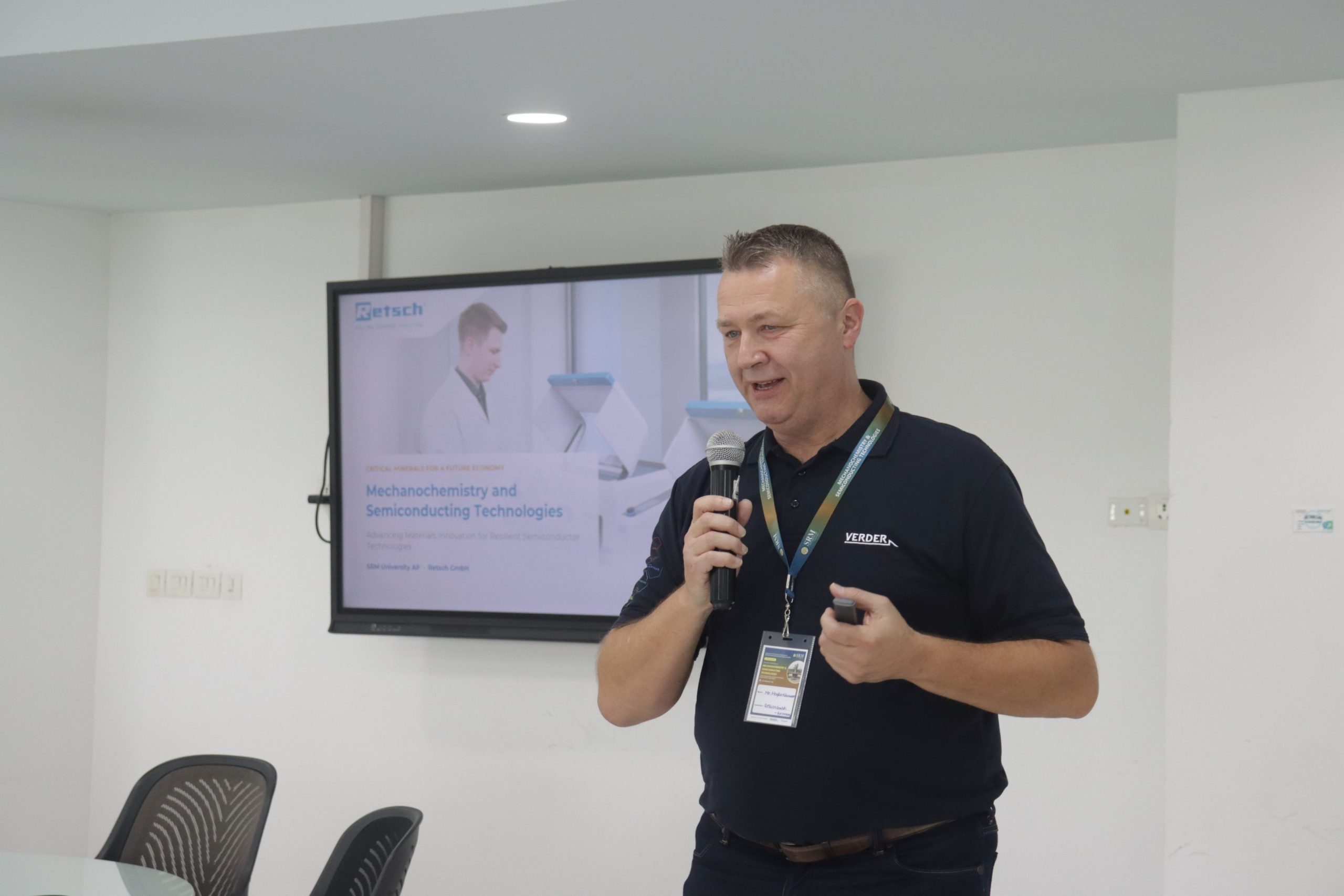
The technical modules featured a mix of in-person and virtual presentations from global experts in materials processing. Prof. Andrea Porcheddu from the University of Cagliari, Italy, and Mr Holger Neumann, Sales Director at RETSCH GmbH, Germany, attended the campus physically to deliver their lectures and interact directly with participants. Joining the sessions online, Prof. Lars Borchardt from Ruhr University Bochum and Dr Lena Weigold from RETSCH Technology presented their research on inorganic materials and specialised processing applications. Demonstrating an immediate commitment to research infrastructure, Verder Scientific India and RETSCH Germany presented SRM AP with a high-performance mixer mill valued at 9 lakh rupees to support on-campus laboratory work.
The workshop established a long-term collaboration between SRM AP, Verder Scientific India, and RETSCH Germany, with the university committing to conduct this international workshop every year as an annual feature. Discussions also focused on establishing a dedicated Centre of Excellence on Mechanochemistry and Semiconductors at SRM AP, in partnership with Verder Scientific India and RETSCH Germany. This technical partnership directly supports the university’s academic roadmap, which includes introducing a specialized B.Tech programme in semiconductor technologies and establishing an on-campus semiconductor fabrication laboratory. By connecting solvent-free mechanochemical synthesis with chip manufacturing requirements, the initiative aligns regional research capabilities with national goals set under the India Semiconductor Mission.
This initiative reinforces SRM AP‘s effort to position Amaravati as a global hub for scientific innovation, interdisciplinary research, and industrial collaboration. By building active partnerships with international technology providers and equipping laboratories with advanced research tools, the university continues to expand its global research footprint. These sustained efforts prepare graduates and researchers to address complex global technological challenges while driving regional and international development.