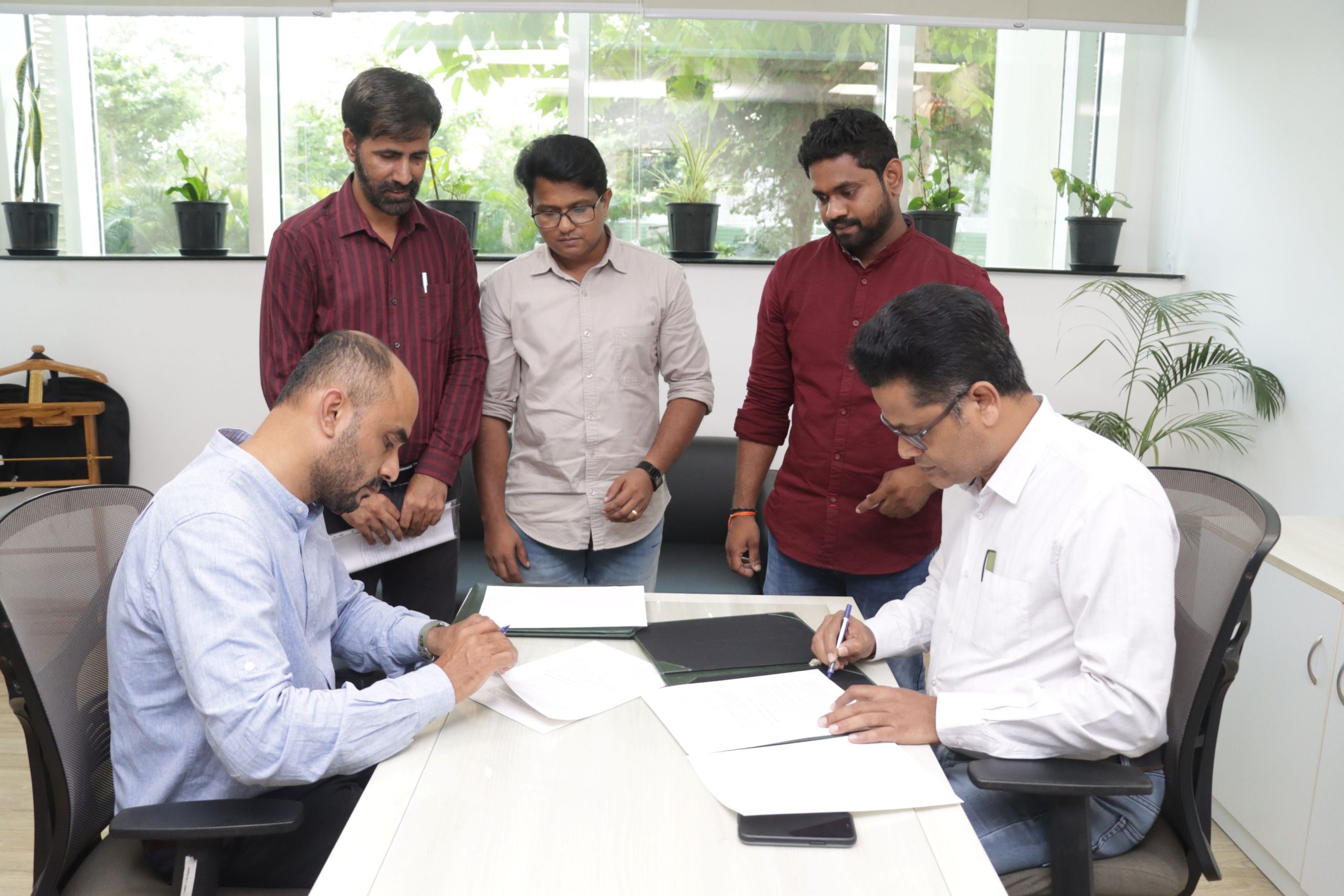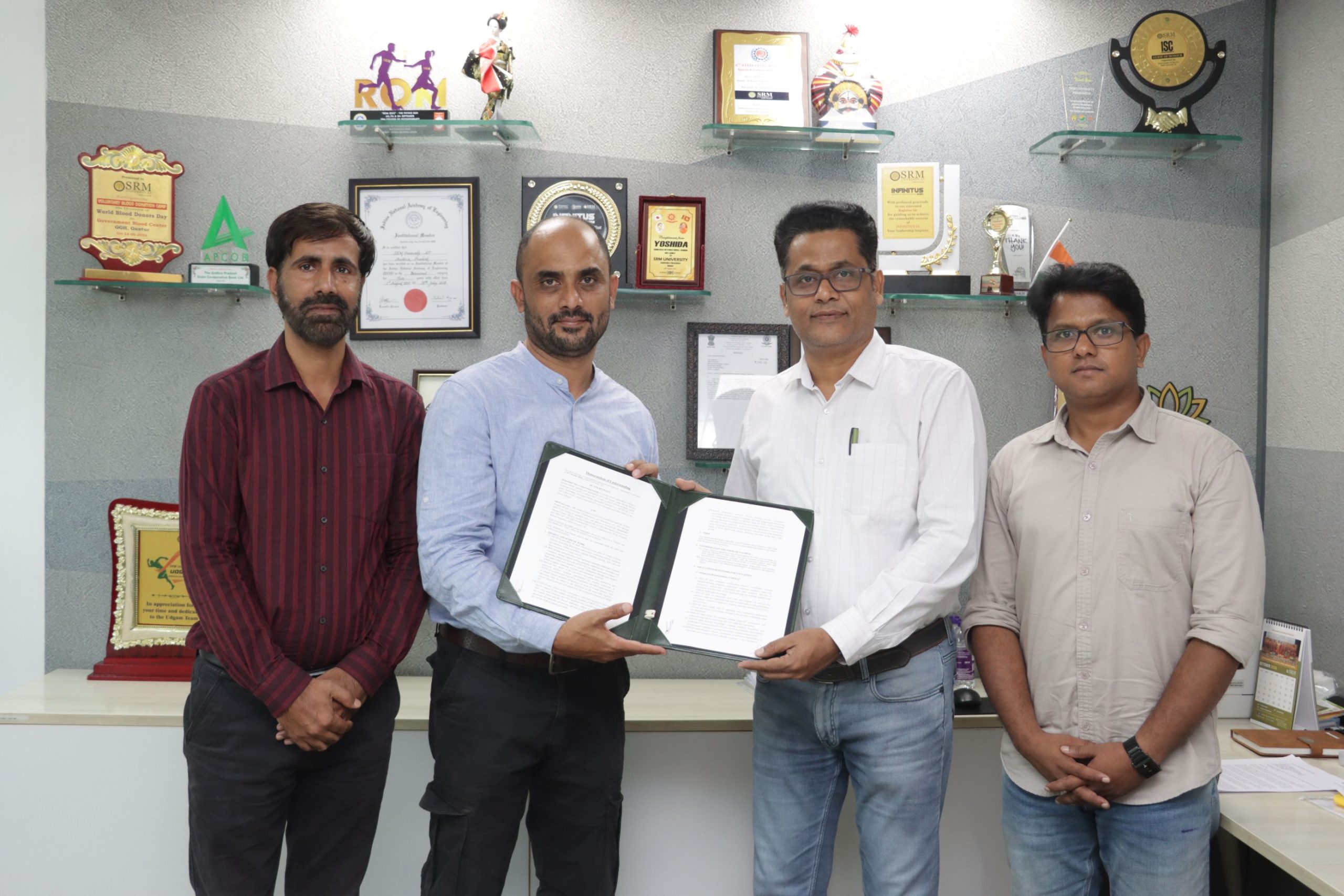

 SRM University-AP, Amaravati has signed a Memorandum of Understanding with HyTiCoS, committing the university to conservation work that begins in the field and carries a global reach. The agreement was signed by Prof. Jatindra Kumar Dash, Dean of Academic Affairs, for SRM University-AP, and by Mr Imran Siddiqui, Senior Field Conservationist at CWS-India and Co-Founder of HyTiCoS, for the partner organisation, in the presence of Dr Shoji D Thottathil, Head of the Department, Department of Environmental Science and Engineering. For a university that measures its progress against global academic standards, the partnership offers a chance to test rigorous scholarship against the realities of conservation practice, and to contribute to a wider global conversation on the environment.
The MoU sets out a framework for joint research, consultancy projects and capacity-building programmes. Its scope covers forestry ecology, wildlife monitoring, biodiversity conservation, habitat restoration and community welfare. SRM University-AP will take up collaborative research, academic workshops, international seminars, field visits and biodiversity assessments. Students and researchers will also gain internships and hands-on training, placing the next generation of scholars close to pressing global conservation questions and the practical work of sustaining ecosystems.
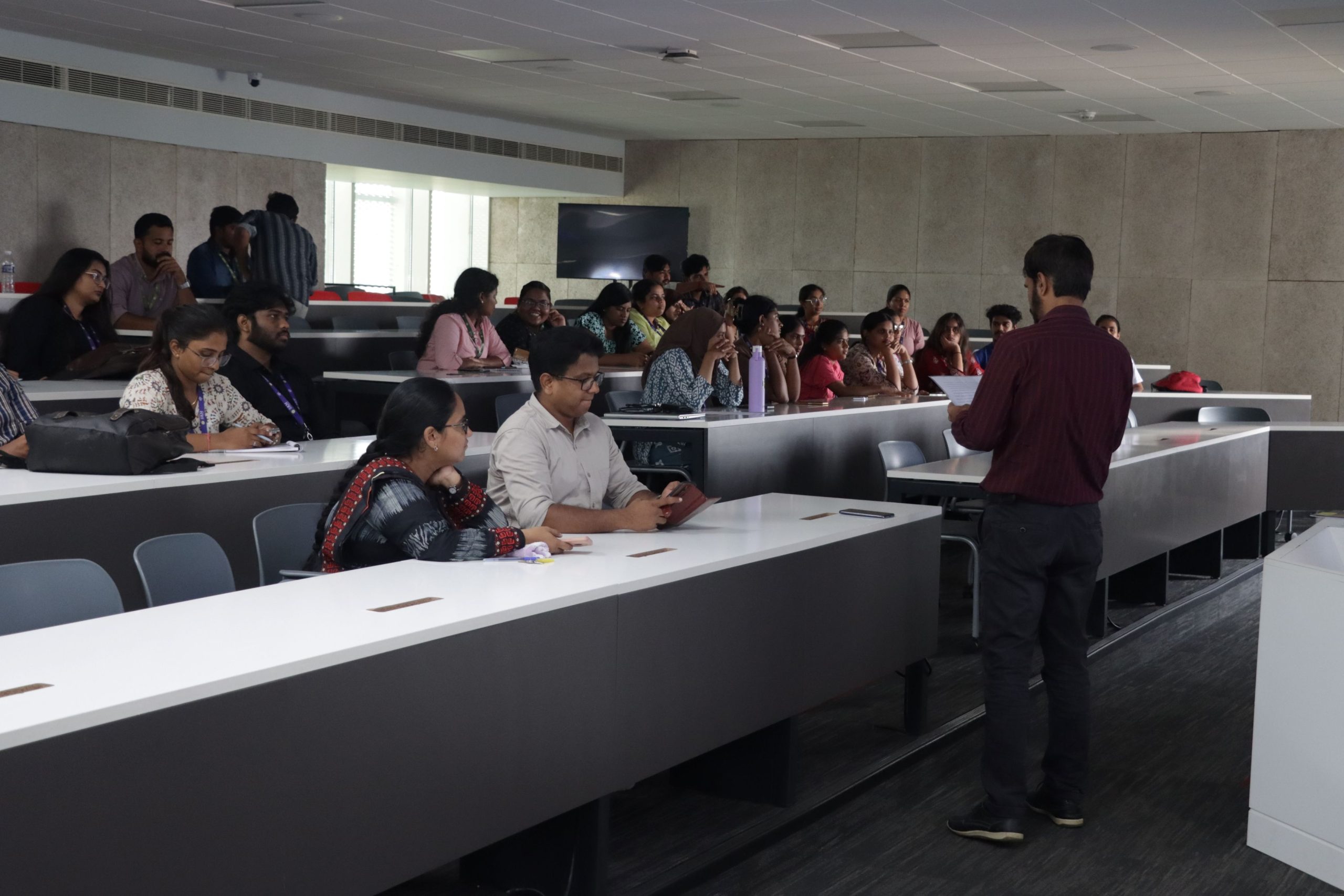
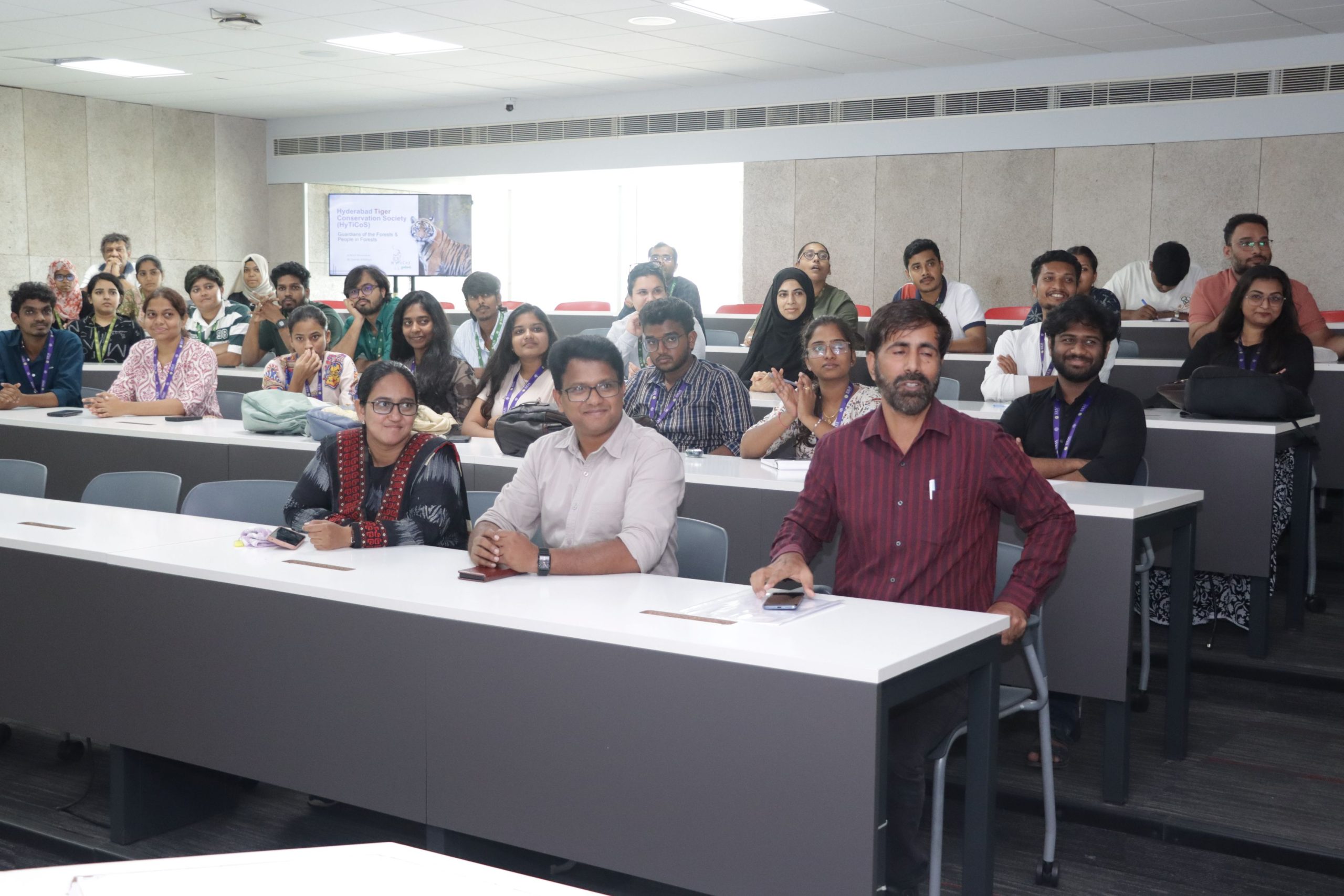
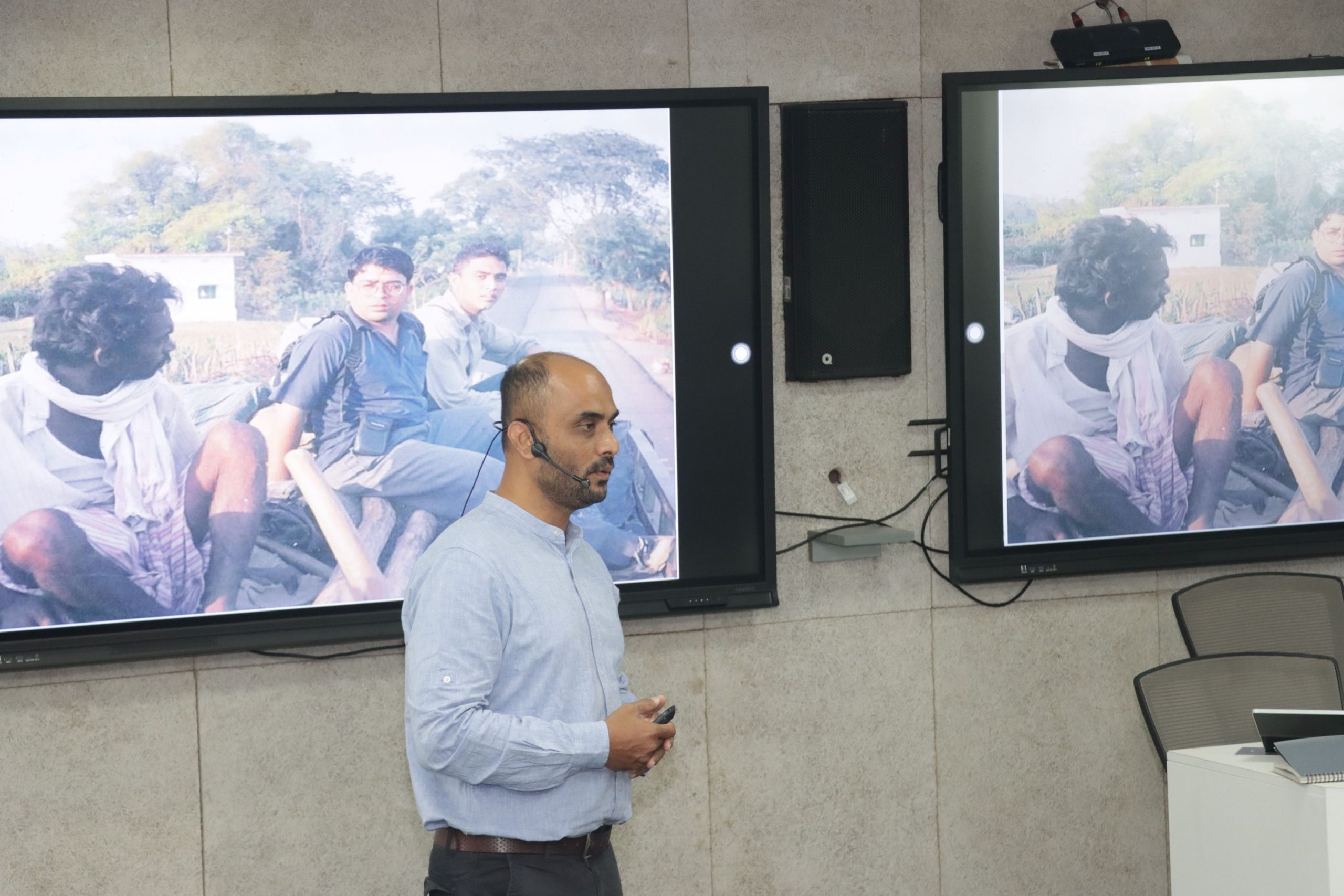
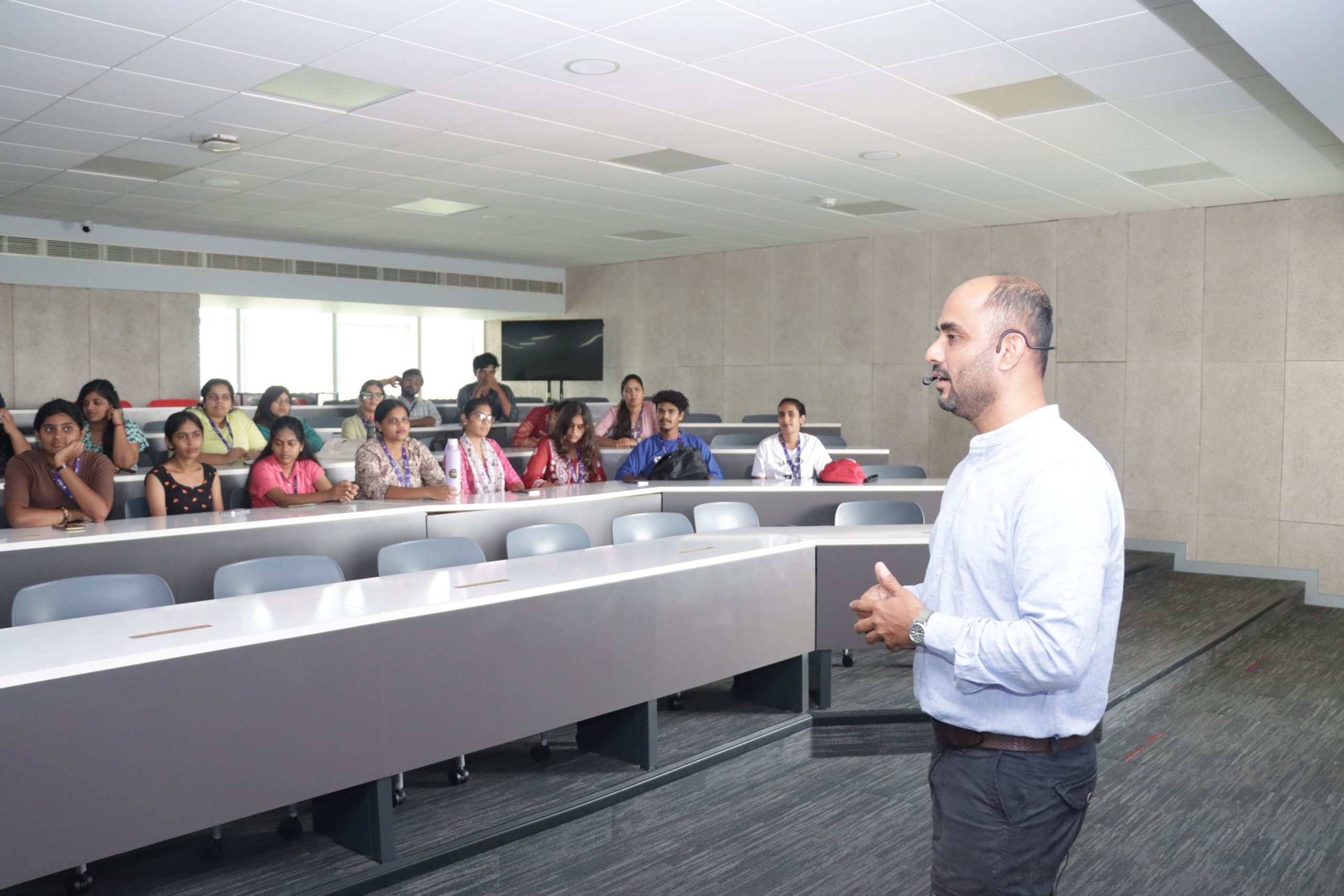
The signing coincided with a guest lecture, “Wildlife Conservation in Human Dominated Landscapes”, delivered by Mr Siddiqui and organised by the Department of Environmental Science and Engineering. He traced a field career that began in 2000 with a tiger population assessment across Andhra Pradesh, and spoke of India’s biodiversity and the reverence in which tribal traditions hold the tiger. Treating the tiger as a keystone species vital to global ecological balance, he turned to present threats, among them habitat fragmentation and snare hunting. The lecture gave the agreement its context.
The university’s ambition to become a global centre for interdisciplinary research and ecological innovation is furthered by building direct routes into field research, community awareness and environmental education. With this MoU, it widens its global footprint with work that meets international sustainability standards. Partnerships with conservation bodies such as HyTiCoS point towards co-existence, sustainable development and ecological resilience, and the university intends to help lead that conversation.