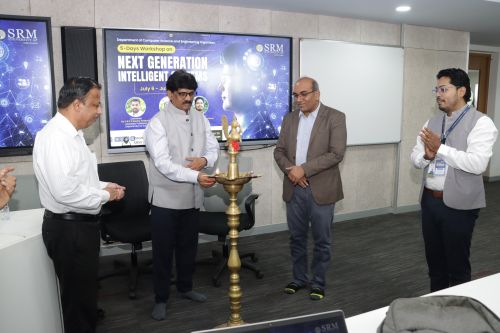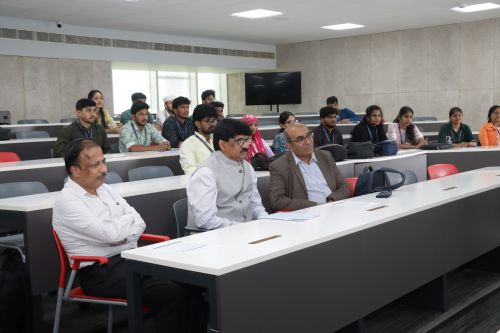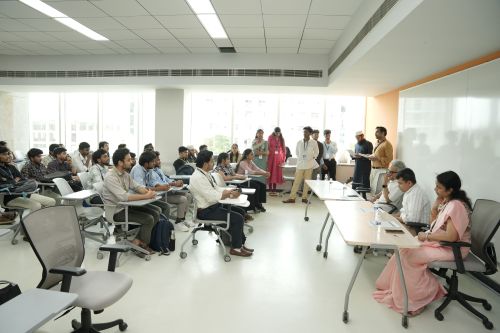
The Department of Computer Science and Engineering (CSE), SRM University-AP, successfully organised a five-day workshop on “Next Generation Intelligent Systems (NGIS-2026)” from July 06 – 10, 2026, to enhance participants’ technical skills, research orientation, and practical exposure in emerging areas such as Artificial Intelligence (AI), Machine Learning (ML), Computer Vision (CV), Natural Language Processing (NLP), Quantum Computing, Drone Technology, TinyML, and Intelligent Systems.
The workshop, designed for Undergraduate (UG), Postgraduate (PG), Research Scholars (Ph.D.), and faculty members from the disciplines of Computer Science & Engineering and Electronics & Communication Engineering, emphasised hands-on learning, interdisciplinary research, and exposure to state-of-the-art technologies shaping the future of intelligent computing.
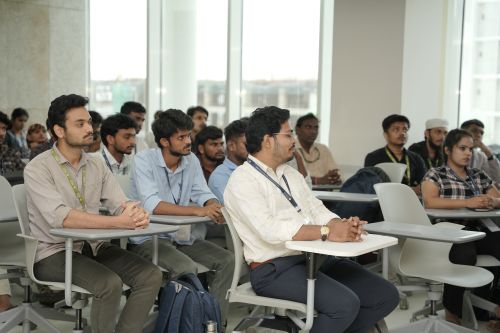
The workshop received an overwhelming response from across the country, with 72 participants attending the programme, representing 25 academic institutions. The diverse participation included UG students, PG students, doctoral scholars, and faculty members, creating a vibrant environment for learning, networking, and academic collaboration.
The enthusiastic participation from multiple institutions reflected the growing national interest in advanced intelligent systems and reinforced SRM University-AP‘s commitment to serving as a hub for innovation, research, and technology-driven education.
Dr V R P S Sastry Yadavilli, convenor of the workshop, delivered the welcome address, highlighting the significance of intelligent systems in addressing future technological challenges and introducing the objectives of NGIS-2026. Prof. Jayaseelan Murugaiyan, Associate Dean, School of Engineering and Sciences (SEAS), emphasised the importance of multidisciplinary learning and encouraged participants to make the best use of the workshop.
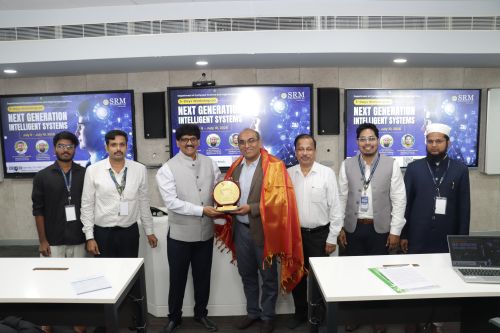
The inaugural keynote address was delivered by Prof. Deepak Mishra, Indian Institute of Space Science and Technology (IIST), Thiruvananthapuram, who presented an insightful lecture on the topic “Current Practices in the Field of Computer Vision and Deep Learning for Designing Intelligent Systems” by focusing on the latest developments in Computer Vision and Deep Learning, inspiring participants to explore cutting-edge research opportunities in intelligent systems.
The inaugural session was graced by Prof. Ch. Satish Kumar, Vice Chancellor, SRM University-AP, who encouraged participants to cultivate innovation, critical thinking, and research excellence while leveraging emerging technologies to solve real-world problems.
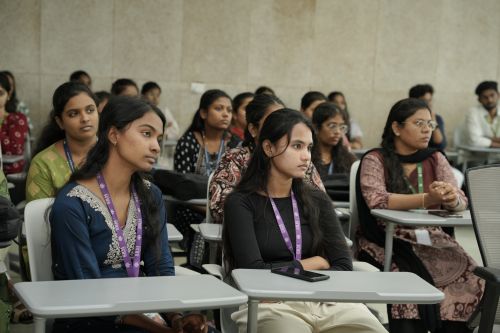
A technical session titled “Introduction to Intelligent Systems and Optimisation Algorithms” was delivered by Dr Prabhujit Mohapatra, Associate Professor, Department of CSE, who provided insights into optimisation techniques and their applications in intelligent decision-making systems. Dr Ashu Abdul, Associate Professor, Department of CSE, introduced participants to the diverse research ecosystem, academic opportunities, and advanced computing facilities available at SRM University-AP.
Dr Firoj Gazi, Assistant Professor, Department of CSE, introduced participants to Lightweight AI, TinyML, and Quantized Models, followed by an engaging hands-on session demonstrating TinyML deployment on edge devices. Dr Shuvendu Rana, Assistant Professor, Department of CSE, spoke on “Intelligent Vision Systems: AI and Deep Learning for Object Detection” and implemented computer vision models through practical exercises, gaining experience with modern object detection frameworks.
“Prompt to Product (Vibe Coding)” was delivered by Dr Saleti Sumalatha, Assistant Professor, Department of CSE, and explored AI-assisted software development workflows, rapid prototyping, and prompt engineering techniques for modern application development. Dr Varsha Sambhaje, Assistant Professor, Department of CSE, delivered comprehensive sessions covering Foundations of Quantum Computing, Emerging Applications of Quantum Technologies, Quantum Algorithms and Quantum Simulation Tools.
On the final day, Dr Pranav R T Peddinti, Assistant Professor, Department of Civil Engineering, introduced participants to Autonomous Drone Technology, discussing UAV architectures, sensing technologies, and autonomous navigation. Dr Harish Puppala, Assistant Professor, Department of Civil Engineering, demonstrated techniques for Deriving Geospatial Insights from Drone Datasets, accompanied by practical demonstrations using drone-generated spatial data; and Dr M Naveen Kumar, Assistant Professor, Department of CSE, explored “AI in Healthcare: From Medical Imaging to Autonomous Decision Systems”, focusing on medical image analysis, clinical decision support systems, and AI-driven healthcare innovations.
Participants visited several state-of-the-art laboratories, which provided valuable exposure to advanced experimental facilities, ongoing research projects, and high-performance computing infrastructure, inspiring participants to pursue research and innovation in emerging technologies.
The valedictory session was graced by Prof. C V Tomy, Dean-School of Engineering and Sciences, who appreciated the enthusiasm of the participants and emphasised the importance of continuous learning, interdisciplinary collaboration, and research excellence.
The gathering was also addressed by Dr M V Manikandan, Head, Department of CSE, and Dr Sumalatha Saleti, Associate Head, Department of CSE, who congratulated the participants for successfully completing the workshop and encouraged them to continue exploring emerging technologies through research and innovation.
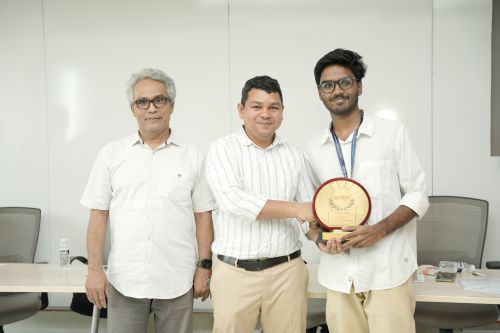
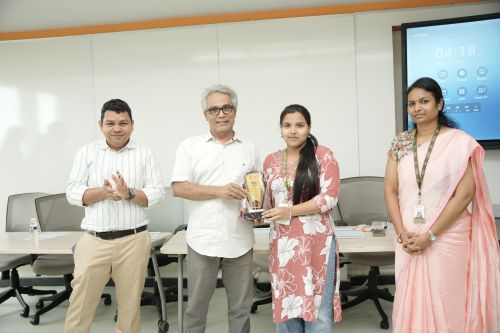
During the ceremony, the dignitaries distributed certificates, mementoes, and special awards to the best performers, best team idea presentations, and winners of activities and sports events, including cricket and badminton, recognising their active participation and outstanding performance throughout the workshop. The workshop concluded with a Vote of Thanks delivered by Dr Mohammad Abdussami, Co-Convenor.
NGIS-2026 successfully fulfilled its objective of creating a dynamic platform for learning, collaboration, and innovation in next-generation intelligent technologies. Through expert lectures, hands-on sessions, laboratory visits, interdisciplinary interactions, and practical demonstrations, participants gained valuable technical knowledge, research exposure, and professional networking opportunities. The overwhelming national participation, engaging technical sessions, and excellent feedback from attendees reaffirmed SRM University-AP‘s commitment to promoting excellence in engineering education, research, and innovation.