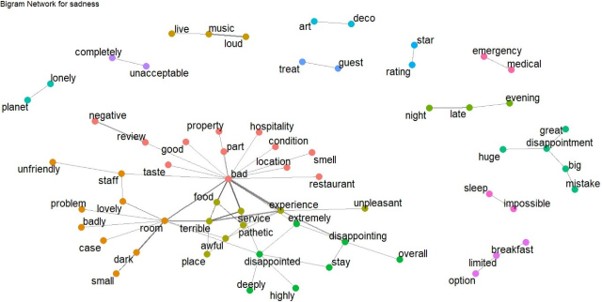
Dr Sri Sourya Sri Harsha Rongala, Assistant Professor at Paari School of Business, has conducted a study examining more than 2,000 online complaints posted by guests who stayed at heritage hotels across India. In his paper, “Heritage Hotel Complaints: Understanding Negative Emotions Using Structural Topic Model”, published in the journal Anatolia, Dr Rongala used advanced Artificial Intelligence and text-mining techniques to identify common problems and understand how customers felt while writing these reviews.
The research found that guests most frequently expressed anger, disgust, fear, and sadness, often triggered by poor room conditions, maintenance issues, staff behaviour, hygiene, and pricing concerns. It also revealed that international and domestic tourists complain about different aspects of their stay, and that guests who attach photographs to their reviews often provide stronger evidence of their dissatisfaction.
These insights help hotel managers understand not only what guests complain about, but also why they feel that way, enabling them to deliver better hospitality experiences.
Abstract
This research investigates why guests complain about heritage hotels and the emotions associated with those complaints. Analysing 2,122 negative online reviews and photos posted from 61 Indian heritage hotels, the study employs Structural Topic Modeling (STM) and NRC Emotion Lexicon Analysis to identify the major service issues and the emotions they evoke. The findings reveal that complaints primarily relate to heritage experience, room hygiene, staff behaviour, food quality, pricing, booking processes, maintenance, and value for money. The study also compares complaint patterns between domestic and international tourists, as well as reviews with and without photographs, providing deeper insights into customer expectations. The research offers actionable recommendations that can help heritage hotel managers improve customer experience, protect brand reputation, and design more effective service recovery strategies.
Practical Implementation of the Research
The findings of this study have several practical applications for the tourism and hospitality industry:
- Improved Guest Experience: Heritage hotel managers can identify the most common service failures and prioritise improvements in cleanliness, maintenance, food quality, and staff training.
- Better Service Recovery: By understanding the emotions behind customer complaints, hotels can design personalised recovery strategies that rebuild customer trust and satisfaction.
- Targeted Marketing Strategies: Since domestic and international tourists have different expectations, hotels can customise services and promotional messages for different customer segments.
- Reputation Management: Hotels can use AI-based review analytics to monitor online feedback in real time, detect recurring issues early, and respond proactively before negative reviews damage their reputation.
- Employee Training: The study highlights the importance of courteous staff behaviour and effective communication, providing evidence for focused employee development programmes.
- Policy and Tourism Development: Tourism authorities and heritage property managers can use these insights to improve service standards, preserve India’s heritage tourism image, and encourage sustainable tourism growth.
Overall, the research demonstrates how hotels can leverage advanced data analytics to transform thousands of online customer reviews into actionable insights that help heritage hotels deliver better experiences, strengthen customer loyalty, and enhance their global competitiveness.
Dr Rongala plans to work on constructs related to Inclusive tourism, Food Neophobia, and Customer experiences in Indian luxury hotels.
Read the full article