Faculty Dr Prakash Chandra Sharma

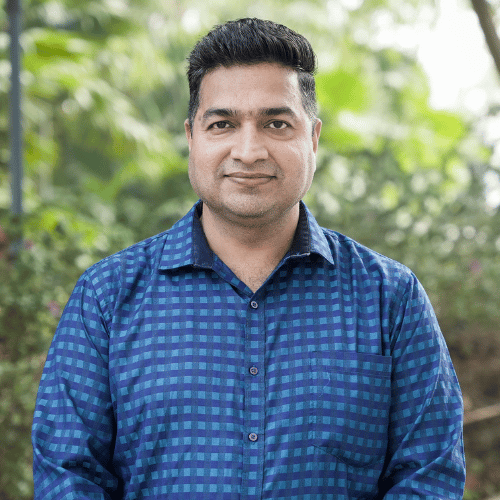
Dr Prakash Chandra Sharma

Associate Professor

Department of Computer Science and Engineering

Contact Details

prakashchandra.s@srmap.edu.in

Office Location

SR Block, Level 7, Cabin No: 23

Education

2018
PhD
IIT Indore
India
2008
M.E. (Computer Engineering)
SGSITS Indore
India
2003
B.Tech.
Pt. Ravishankar Shukla University Raipur
India

Personal Website

Experience

  • Since December 2025, Associate Professor, SRM University-AP, Amaravati
  • 4 Years, Associate Professor, Manipal University Jaipur
  • 3 Years, Assistant Professor, Manipal University Jaipur
  • 5 Years, Teaching Assistant, IIT Indore
  • 1 Year, Assistant Professor, SVCE Indore
  • 2 Years, Assistant Professor, MDITM Indore
  • 3 Years, Lecturer, Shri Shankaracharya College of Engineering & Technology, Bhilai

Research Interest

  • Optimization using Nature Inspired Algorithms
  • Healthcare System using ML/DL
  • Solution approaches for graph problems and its application
  • Resources Scheduling based on AI-Driven Graph Coloring Approach or using Knowledge Graph

Awards

  • 2024 – “Innovation Ambassador (IA)” – Ministry of Education (MoE), Government of India.
  • 2024 - Evaluation of 5-day Smart India Hackathon (SIH 2024), nominated as an Expert by AICTE, New Delhi.
  • 2012 - International Travel Support - DST, Govt. of India.
  • 2020 - "The Progress Global Award 2020" under the category of "Excellence in Education & Research" received from Chief Minister of Chhattisgarh
  • 2012-2016 MHRD Fellowship for Ph.D. at IIT Indore.
  • 2006-20008 MHRD Fellowship for M.E. at SGSITS Indore.
  • 2007-Qualified GATE
  • 2006- Qualified GATE
  • 1995-1998 "Merit Scholarship" from Ministory of Education, Govt of Madhya Pradesh

Memberships

  • IEEE, CSI
  • ACM, IAENG

Publications

  • An effective cyberbullying-flashing identification on whatsapp using PTS-GReLU-GRU with harmful level prediction

    Karpagam M., Naveenkumar N., Panguluri V., Hanuman C.R.S., Usharani R., Priya S., Sharma P.C.

    Article, Scientific Reports, 2026, DOI Link

    View abstract ⏷

    Cyberbullying refers to the utilization of Social Media (SM) by individuals to engage in actions, such as humiliating, embarrassing, and defaming a target, all of which occur without any face-to-face contact. Recently, cyberflashing has emerged as an important conc ern on WhatsApp. However, previous research has neglected to address the issue of cyberflashing on SM platforms. Likewise, most of the existing works didn’t identify the harmfulness of cyberbullying content. Therefore, a novel PTS-GReLU-GRU-based model for classifying cyberbullying and cyberflashing on WhatsApp, with the prediction of levels of harmfulness, is proposed in this paper. Initially, cyber flashing images are taken, which are preprocessed to enhance the image quality and to remove unwanted information. Second, human presence in the image is detected using the YOLOv3 technique. The YCbCr color model analyzes the amount of skin visible in the image. Later, the image is annotated. In the meantime, cyberbullying, offensive texts, and hate speech data are preprocessed by NLP techniques. This preprocessed data is then merged using Dice’s Coefficient String similarity technique. The features are then extracted from the text and images. Thereafter, by employing I-CapSA, the best features of texts and images are selected. Likewise, the preprocessed data is given as input to the CS-Cyber BERT-based word embedding process. Eventually, cyberbullying and cyberflashing are classified with the help of a novel PTS-GReLU-GRU classifier and the level of harmfulness is predicted using the LE-ANFIS techniques. The experimental outcomes prove that the proposed model attained better accuracy and precision of 98.14% and 98.85%, respectively, thus outperforming all state-of-the-art methods.
  • Colonoscopy Polyp Detection Using Bi-Directional Conv-LSTM U-Net with Densely Connected Convolution

    Gangrade S., Sharma P.C., Sharma A.K.

    Article, KI - Kunstliche Intelligenz, 2025, DOI Link

    View abstract ⏷

    Several researchers have focused in recent years on improving the efficiency of abdominal diagnostics by segmenting colonoscopy images with machine learning techniques. Previously, colonoscopy images were manually segmented by experts in this field. This eventually became time-consuming work that was prone to human error. Advances in technology, such as increased computer power and the availability of libraries for manipulating colonoscopy images, enabled automated segmentation. In recent year, deep learning networks are using in medical segmentation field due to its versatility, high performance, high generalization capacity. Recently, new heights of effectiveness have been achieved in the process of medical image segmentation carried out by deep learning model. The process of medical image segmentation has been effectively improved by the application of deep learning models such as U-NET, RS-NET, and RS-NET++. In this study, we apply the benefits of U-Net, Bi-directional Conv-LSTM, and method of dense convolution. We applied these to the Kvasir-SEG and CVC-Clinic DB datasets and achieved the 0.92 and 0.93 dice coefficient respectively.
  • Graph embedding based label propagation for community detection in social networks

    Meena S.S., Sharma P.C., Singh Y.P., Singh M.P.

    Article, Scientific Reports, 2025, DOI Link

    View abstract ⏷

    Community structures are common features of many real-world networks, and community detection is necessary to understand how these networks are organized. Various approaches have been devised for community detection, with each providing varying degrees of both accuracy and structural understanding. One of them, the Label Propagation Algorithm, is so common because it is simple and computationally cheap. Nevertheless, it does not usually reach great modularity and yields inaccurate community counts and structures in real-world networks. This is mostly due to its naive criteria of selecting the neighbor nodes when it comes to label propagation. To tackle the issue, we developed an adjusted algorithm, which we call Embedding-based Label Propagation (ELP), a hybrid between LPA and node embedding that allows us to combine both local connectivity and global structural data. ELP update step takes into consideration not only the local neighborhood, as in conventional LPA, but also embedding-based similarities to inform more productive neighbor selection. We tested ELP on popular benchmark datasets such as Karate Club, Dolphins, Football, Polbooks, and LFR synthetic networks and compared its results with LPA and other well-established algorithms. The empirical findings show that ELP can always perform better in modularity, NMI and NF1 scores, but it is also scalable to large and complex networks. These results can be used to identify ELP as an effective and powerful method of community-finding in real and artificial-world scenarios.
  • Leveraging transfer learning with LSTM Gans for adaptive traffic signal control

    Karpagam M., Velmurugan S.N., Guttula R., Kaur T., Samsudeen S., Sarumathi S., Sharma P.C.

    Article, Discover Applied Sciences, 2025, DOI Link

    View abstract ⏷

    Traffic congestion has become a persistent challenge in urban areas, leading to significant delays and economic losses. Several Intelligent Transportation Systems (ITS) have been developed to address this issue, but traditional methods for traffic signal decision-making often fall short due to inefficiencies such as excessive delays and energy wastage. To overcome these limitations, this study presents a novel transfer learning-based Long Short-Term Memory-Generative Adversarial Network (TL-LSTM-GAN) model. The system optimizes traffic signal control for priority vehicles in both daytime and nighttime conditions. The proposed system improves traffic conditions, reduces congestion, and enhances energy efficiency by addressing the limitations of current methods. It leverages transfer learning through a ResNet-50 discriminator pre-trained on ImageNet to enhance feature recognition and decision accuracy. An experimental study was conducted using evaluation metrics to compare the performance of the TL-LSTM-GAN model with state-of-the-art methods, and the results demonstrate its superior effectiveness. This application underscores the model's potential to significantly reduce traffic congestion and energy usage, making it a valuable contribution to advanced metropolitan transportation systems.
  • Web-based Vulnerability Analysis and Detection

    Yadav N.S., Rounak R., Sharma P.C.

    Article, International Journal of Sensors, Wireless Communications and Control, 2025, DOI Link

    View abstract ⏷

    Introduction: In today’s digital world, protecting organizations from breaches, hacking, data theft, and unauthorized access is key. Web-based vulnerability analysis and detection is a big part of that. Method: This research introduces a new approach to web-based vulnerability assessment by combining advanced automated tools with human expertise, a complete way to identify, rank, and fix critical vulnerabilities in web applications and websites. Our research presents a new automated scanner built with Python and Selenium which can detect a wide range of vulnerabilities including SQL injection, cross-site scripting (XSS), and emerging threats. The tool’s modular architecture and regular expression-based detection methods allow for flexibility and speed in detecting common and uncommon vulnerabilities. We propose a framework for vulnerability ranking so organizations can prioritize their fix efforts. Our approach considers exploiting potential, severity, and patch availability to give a more accurate risk assessment. Through real-world web application testing we demonstrate the effectiveness of our approach in detecting and fixing vulnerabilities. Result: Our results show significant improvement in detection accuracy and speed compared to traditional methods, especially for complex and dynamic web applications. This research adds to the body of knowledge in web security and vulnerability management by combining advanced automated scanning with human expertise. Conclusion: Our findings provide practical advice for organizations looking to improve their cybersecurity in the ever-changing digital world.
  • Computer-Aided Polyps Classification from Colonoscopy Using Stacking-Based Deep Learning Model

    Gangrade S., Sharma P.C., Sharma A.K., Gangrade J.

    Article, Brazilian Archives of Biology and Technology, 2025, DOI Link

    View abstract ⏷

    Colorectal cancer is responsible for a high proportion of cancer mortality. The most effective way to avoid colorectal cancer is to have a colonoscopy. However, not every polyp in the colon is prone to cancer. As a result, different techniques are employed to classify polyps. A video endoscopy can diagnose stomach ulcers, bleeding, and polyps. Doctors spend a lot of time reviewing medical video endoscopy images. The challenge of diagnosing images manually has spurred research into computer-assisted methods that can accurately and swiftly assess any created image. The suggested approach develops a framework for identifying digestive problems. The methods and treatment plan would be determined by the gastrointestinal state classification. In the present study, publicly accessible datasets, such as Kvasir, in used. In the Kvasir dataset, 5000 images are evenly distributed across five different digestive tract-related categories: ulcerative colitis, dye-lifted polyps, resection margins, normal cecum, and polyps. Preprocessing is done to improve the quality of the images and reduce the noise. These improved images were employed using deep learning networks. The present study proposes a stacking ensemble approach to boost the model's accuracy for prediction. The ensemble approach included five meticulously tuned deep convolutional neural network architectures, namely Xception, ResNet-101, VGG-19, EfficientNetB2v3, and MobileNetV2. These models were trained using weights obtained from the ImageNet dataset. Highest accuracy of 96.50% was achieved using meta models based on K-nearest neighbour (K-NN) method.
  • Medical kit delivery using Drone: Critical medical infrastructure solution for emergency medical situation

    Soni S., Chandra P., Chandra Sharma P., Gangrade J., Singh D.K.

    Article, International Journal of Disaster Risk Reduction, 2024, DOI Link

    View abstract ⏷

    COVID-19 pandemic is a situation where every person is looking for solution towards disease. Once a person tested positive for COVID-19, he/she has to get admitted in hospital or home isolation as per the available resources and guidance by doctors and local authorities. The hospitals are equipped with necessary requirements for patients, but home isolation requires various daily usage medical equipment, medicines and data reporting. Authorities are struggling a lot to supply medical aids and other required necessary items to be delivered at home isolation persons. For such type of pandemic situation, we have proposed a Medical Kit Delivery Drone (MKDD) algorithm to deliver medical aids, lightweight equipment and data reports from hospitals to home isolations. The proposed algorithm is very well simulated in CupCarbon simulator and obtained results are compared with state-of-the-art algorithms like M63P–H7DM, GHSP-D-19-00119, MedART & PMC9451063. We observed that our proposed algorithm achieved the highest date rate in payload delivery time, payload weight, speed & maximum distance covered by various drones.
  • Corrigendum to “Modified DeeplabV3+ with multi-level context attention mechanism for colonoscopy polyp segmentation” [Comput. Biol. Med. 170 (2024) CIBM-D-23-08582R4] (Computers in Biology and Medicine (2024) 170, (S001048252400180X), (10.1016/j.compbiomed.2024.108096))

    Gangrade S., Sharma P.C., Sharma A.K., Singh Y.P.

    Erratum, Computers in Biology and Medicine, 2024, DOI Link

    View abstract ⏷

    The authors regret for the correction provided at this stage. The authors would like to apologise for any inconvenience caused.
  • Modified DeeplabV3+ with multi-level context attention mechanism for colonoscopy polyp segmentation

    Gangrade S., Sharma P.C., Sharma A.K., Singh Y.P.

    Article, Computers in Biology and Medicine, 2024, DOI Link

    View abstract ⏷

    The development of automated methods for analyzing medical images of colon cancer is one of the main research fields. A colonoscopy is a medical treatment that enables a doctor to look for any abnormalities like polyps, cancer, or inflammatory tissue inside the colon and rectum. It falls under the category of gastrointestinal illnesses, and it claims the lives of almost two million people worldwide. Video endoscopy is an advanced medical imaging approach to diagnose gastrointestinal disorders such as inflammatory bowel, ulcerative colitis, esophagitis, and polyps. Medical video endoscopy generates several images, which must be reviewed by specialists. The difficulty of manual diagnosis has sparked research towards computer-aided techniques that can quickly and reliably diagnose all generated images. The proposed methodology establishes a framework for diagnosing coloscopy diseases. Endoscopists can lower the risk of polyps turning into cancer during colonoscopies by using more accurate computer-assisted polyp detection and segmentation. With the aim of creating a model that can automatically distinguish polyps from images, we presented a modified DeeplabV3+ model in this study to carry out segmentation tasks successfully and efficiently. The framework's encoder uses a pre-trained dilated convolutional residual network for optimal feature map resolution. The robustness of the modified model is tested against state-of-the-art segmentation approaches. In this work, we employed two publicly available datasets, CVC-Clinic DB and Kvasir-SEG, and obtained Dice similarity coefficients of 0.97 and 0.95, respectively. The results show that the improved DeeplabV3+ model improves segmentation efficiency and effectiveness in both software and hardware with only minor changes.
  • EfficientNet Deep Learning Model for Computer-Aided Polyps Classification from Colonoscopy Images

    Gangrade S., Sharma P.C., Sharma A.K.

    Conference paper, Smart Innovation, Systems and Technologies, 2024, DOI Link

    View abstract ⏷

    Colorectal cancer (CRC) is one of the most common cancers with a significant mortality rate. Colonoscopy is the primary colorectal cancer screening method since it reduces CRC mortality. Considering this, a dependable computer-assisted polyp identification and classification system has the potential to considerably increase colonoscopy efficiency. Automated diagnosis utilizes computer-aided ways to analyze all the results quickly and correctly. In this paper, we used the Kvasir-SEG dataset to classify gastrointestinal disorder. The Kvasir dataset contains 5000 images divided evenly into five gastrointestinal tract-related groups: normal cecum, polyps, ulcerative colitis, dye-lifted polyps, and colored resection margins. By updating Efficient Model B0 and applying it to B7, we achieved 97% testing accuracy.
  • Designing of intelligent PID controller for cardiac pacemaker using artificial bee colony algorithm

    Dubey V., Goud H., Sharma P.C., Anjana S.

    Article, Systems Science and Control Engineering, 2024, DOI Link

    View abstract ⏷

    For real-time patient heart rate management, most widely used biomedical implantable devices in the cardiovascular system is the cardiac pacemaker (CP). A key factor in keeping the patient alive is the development of novel heart pacing techniques which can reduce the risk of cardiac arrhythmia. The present work is inspired to achieve this goal. To achieve an accurate, controlled, and regulated heart rate, a pacemaker with an intelligent proportional integral derivative (PID) controller is considered. The proposed PID controller is an integration of the traditional PID controller with appropriate tuning, that uses a swarm intelligence-based artificial bee colony (ABC) algorithm for handling the bio-electrical signals. To ensure the efficacy of the proposed controller experiments are conducted. MATLAB/Simulink software is used to test and simulate the suggested model and to adjust the controller gains. The simulation is performed in the time and frequency domain. The resulting pulse rate from the ABC-PID controller has a rise time (0.0985 s), settling time (0.3293 s), maximum overshoot (0.111367%), and MSE (0.0040565). External disturbances of various duty cycles are also introduced in the proposed CP control system. The proposed ABC-PID controller for implanted pacemakers reduces the risk of heart rate over-run.
  • Analysis of EEG signals and data acquisition methods: a review

    Jain A., Raja R., Srivastava S., Sharma P.C., Gangrade J., R M.

    Article, Computer Methods in Biomechanics and Biomedical Engineering: Imaging and Visualization, 2024, DOI Link

    View abstract ⏷

    Early illness diagnosis and prediction are important goals in healthcare in order to offer timely preventive measures. The best, least invasive, and most reliable way for identifying any neurological disorder is EEG analysis. If neurological disorders could somehow be predicted in advance, patients could be saved from their detrimental consequences. With promising new advancements in machine learning-based algorithms, Early and precise prediction might induce a radical shift. Here, we present a thorough analysis of cutting-edge AI methods for exploiting EEG data for Parkinson’s disease early warning symptoms detection, sleep apnoea, drowsiness, schizophrenia, motor imagery classification, and emotion recognition, among other conditions. All of the EEG signal analysis procedures used by different authors, such as hardware software data sets, channel, frequency, epoch, preprocessing, decomposition method, features, and classification, have been compared and analysed in detail. We will point out the difficulties, gaps and limitations in the current research and suggest future avenues of research.
  • Secure authentication and privacy-preserving blockchain for industrial internet of things

    Sharma P.C., Mahmood M.R., Raja H., Yadav N.S., Gupta B.B., Arya V.

    Article, Computers and Electrical Engineering, 2023, DOI Link

    View abstract ⏷

    Blockchain (BC) technology has overtaken Industrial Internet of Things (IIoT) platforms. It is necessary to explore efficient implementation. Fault tolerance, decentralised control, authentication, cryptographic security, immutability, data integrity, and BC smart contracts are recommended IIoT features. If entities are authenticated and trusted, the internet can be used for industrial activities. Despite several methods, communication is insecure due to scalability, dependability, latency, insufficient transmission security, and uneven data loads. The paper created safe User authentication and optimal BC node selection using AFHENN (Fully Homomorphic encryption neural network) for IIoT to solve the problem. Mutual authentication, secrecy, and integrity protect user data. A registration process secures new User authentication. To protect registered data, it uses cryptographic methods like Transient key congruential generator based Elliptic curve cryptography (TKCG-ECC) and Dual keyed Cipolla's Extended Euclidean Algorithm based lattice cryptosystem (DKCEED-LC). To access BCN, the gateway verifies registered users utilising keyed-based Zero Knowledge of Proof (k-ZKP) and Approximation Fully Homomorphic encryption neural network-based Blockchain. Finally, Approximation Fully Homomorphic encryption neural network-based Blockchain networking authenticates data (AFHENN-BCN). The BCN avoids legal selection of miner nodes and harmful activities. Compared to top techniques, the proposed work achieves improved throughput and PDR (Packet Delivery Ratio) values with minimal computing time and strong security.
  • Implementation of Trajectory Control Algorithm in a Dynamic Environment

    Pandey K.K., Sharma S., Renu, Kumar S., Shukla A., Sharma P.C.

    Conference paper, Proceedings - 4th IEEE 2023 International Conference on Computing, Communication, and Intelligent Systems, ICCCIS 2023, 2023, DOI Link

    View abstract ⏷

    Trajectory planning and obstacle negotiation rate are two fundamental problems in mobile robot locomotion. The proposed work addresses the problem of locomotion in mobile robots using Radial Basis Function Neural Network (RBFNN). The RBFNN controller initializes if the sensors detected obstacles inside the environment. The proposed RBFNN navigational control algorithm provides smooth and continuous steering angle commands to the robot using sensory reading. Distance received from the sensors for obstacle negotiation and the target-seeking rate is taken as the input parameter of the proposed control algorithm. The output of the control algorithm is the steering angle and optimum trajectory length toward the target. To show the results in terms of simulation, MATLAB and CoppeliaSim GUI platform has been used. To validate the simulation results, a real-time experiment has been proposed in the same environment. The error for path length and navigational time is less than 5% and has been recorded in terms of both environments (simulation and real-time experiment). The simulation and experimental results established the stability check for the proposed control algorithm.
  • A reliable click-fraud detection system for the investigation of fraudulent publishers in online advertising

    Singh L., Sisodia D., Shashvat K., Kaur A., Sharma P.C.

    Book chapter, Applied Intelligence in Human-Computer Interaction, 2023, DOI Link

    View abstract ⏷

    In the pay-per-click (PPC) model of online advertising, an advertiser pays an amount to the publishers for every click generated on the published advertisement, which results in click fraud. Click fraud is deliberate clicking by a publisher on the advert. The highly skewed class distribution of the dataset makes the identification of fraudsters more challenging for current machine learning methods. This work thus proposes a reliable click-fraud detection (CFD) system for the efficient investigation of fraudulent publishers. The proposed CFD system has many novel features. First, the problem of class imbalance is overcome using the synthetic minority oversampling technique (SMOTE) and random under-sampling (RUSBOOST). Second, a novel Hybrid-Manifold Feature Subset Selection (H-MFSS) is proposed to obtain optimal informative features. Third, the gradient tree boosting (GTB) model addresses the challenges encountered in investigating and classifying the behavior of fraudsters from balanced and optimally selected user-click data. Experiments are conducted on FDMA2012 mobile advertising user-click data in dual mode: with all features (original data and data sampled through data sampling methods); and with selected features (original data and data sampled through data sampling methods). Classification bias towards the majority class is avoided by evaluating the performance of the models using the average precision (AP), recall (SE), specificity (SP), and G-mean (GM) metrics rather than accuracy. The efficacy of the proposed GTB model is further evaluated by comparing the performance with 12 other conventional machine learning models. The empirical results prove that GTB generalizes well with an achieved AP score of 64.86% without sampling, 65.25% with RUSBoost and 66.78% with SMOTE using significant selected features. A significant improvement in the classification performance is achieved with the impact of sampling methods and selected optimal features.
  • Applied Intelligence in Human-Computer Interaction

    Bansal S., Sharma P.C., Sharma A., Chang J.-R.

    Book, Applied Intelligence in Human-Computer Interaction, 2023, DOI Link

    View abstract ⏷

    The text comprehensively discusses the fundamental aspects of human-computer interaction, and applications of artificial intelligence in diverse areas including disaster management, smart infrastructures, and healthcare. It employs a solution-based approach in which recent methods and algorithms are used for identifying solutions to real-life problems. This book: Discusses the application of artificial intelligence in the areas of user interface development, computing power analysis, and data management Uses recent methods/algorithms to present solution-based approaches to real-life problems in different sectors Showcases the applications of artificial intelligence and automation techniques to respond to disaster situations Covers important topics such as smart intelligence learning, interactive multimedia systems, and modern communication systems Highlights the importance of artificial intelligence for smart industrial automation and systems intelligence The book elaborates on the application of artificial intelligence in user interface development, computing power analysis, and data management. It explores the use of human-computer interaction for intelligence signal and image processing techniques. The text covers important concepts such as modern communication systems, smart industrial automation, interactive multimedia systems, and machine learning interface for the internet of things. It will serve as an ideal text for senior undergraduates, and graduate students in the fields of electrical engineering, electronics and communication engineering, computer engineering, and information technology.
  • Colonoscopy Polyp Segmentation using Deep Residual U-Net with Bottleneck Attention Module

    Gangrade S., Sharma P.C., Sharma A.K.

    Conference paper, 2023 5th International Conference on Electrical, Computer and Communication Technologies, ICECCT 2023, 2023, DOI Link

    View abstract ⏷

    The colonoscopy is the most reliable method for monitoring the digestive tract. Colonography can detect a variety of conditions, including polyps in the colon. Despite advancements in technology, many colorectal polyps still go undetected in the early stages. When polyps are detected at an early stage, the severity of the disease can be mitigated with the use of polyp segmentation. Coherence transfer and contrast-limited adaptive histogram equalization were two of the image pre-processing approaches used by the researchers in this work to address these issues. Following this, a U-Net based deep learning segmentation model was utilized to isolate the polyp in the image. Using a bottleneck attention module and a residual network, the BAMRes encoder-decoder component of the Unet framework's architecture is combined with feature concatenation on the same layer. With the publicly accessible Kvasir-SEG dataset, we were able to empirically validate the model, which yielded a dice coefficient of 92.27%.
  • Analysis of anomaly detection in surveillance video: recent trends and future vision

    Raja R., Sharma P.C., Mahmood M.R., Saini D.K.

    Article, Multimedia Tools and Applications, 2023, DOI Link

    View abstract ⏷

    Video Surveillance (VS) systems are popular. For enhancing the safety of public lives as well as assets, it is utilized in public places like marketplaces, hospitals, streets, education institutions, banks, shopping malls, city administrative offices, together with smart cities. The main purpose of security applications is the well-timed and also accurate detection of video anomalies. Anomalous activities along with anomalous entities are the video anomalies, which are stated as the irregular or abnormal patterns on the video that doesn’t match the normal trained patterns. Automatic detection of Anomalous activities, say traffic rule infringements, riots, fighting, and stampede in addition to anomalous entities, say, weapons at the sensitive place together with deserted luggage ought to be done. The Anomaly Detection (AD) in VS is reviewed in the paper. This survey concentrates on the Deep Learning (DL) application in finding the exact count, involved individuals and the occurred activity on a larger crowd at every climate condition. The fundamental DL implementation technology concerned in disparate crowd Video Analysis (VA) is discussed. Moreover, it presented the available datasets as well as metrics for performance evaluation and also described the examples of prevailing VS systems utilized in the real life. Lastly, the challenges together with propitious directions for additional research are outlined. Pattern recognition has been the subject of a great deal of study during the previous half-century. There isn’t a single technique that can be utilised for all kinds of applications, whether in bioinformatics or data mining or speech recognition or remote sensing or multimedia or text detection or localization or any other area. Methodologies for object recognition are the primary focus of this paper. All aspects of object recognition, including local and global feature-based algorithms, as well as various pattern-recognition approaches, are examined here. Please note that we have attempted to describe the findings of many technologies and the future extent of this paper’s particular technique. We used the datasets’ properties and other evaluation parameters found in an easily accessible web database. Research in pattern recognition and object recognition can greatly benefit from this study, which identifies the research gaps and limits in this subject.
  • A new mobile data collection and mobile charging (MDCMC) algorithm based on reinforcement learning in rechargeable wireless sensor network

    Soni S., Chandra P., Singh D.K., Sharma P.C., Saini D.

    Article, Journal of Intelligent and Fuzzy Systems, 2023, DOI Link

    View abstract ⏷

    Recent research emphasized the utilization of rechargeable wireless sensor networks (RWSNs) in a variety of cutting-edge fields like drones, unmanned aerial vehicle (UAV), healthcare, and defense. Previous studies have shown mobile data collection and mobile charging should be separately. In our paper, we created an novel algorithm for mobile data collection and mobile charging (MDCMC) that can collect data as well as achieves higher charging efficiency rate based upon reinforcement learning in RWSN. In first phase of algorithm, reinforcement learning technique used to create clusters among sensor nodes, whereas, in second phase of algorithm, mobile van is used to visit cluster heads to collect data along with mobile charging. The path of mobile van is based upon the request received from cluster heads. Lastly, we made the comparison of our proposed new MDCMC algorithm with the well-known existing algorithms RLLO [32] RL-CRC [33]. Finally, we found that, the proposed algorithm (MDCMC) is effectively better collecting data as well as charging cluster heads.
  • Role of PID Control Techniques in Process Control System: A Review

    Dubey V., Goud H., Sharma P.C.

    Conference paper, Lecture Notes in Networks and Systems, 2022, DOI Link

    View abstract ⏷

    Process control system (PCS) is the mixture of chemical engineering and control engineering. Process control is the skill to supervise and alter a process to offer a preferred output. It is used in industry to sustain worth and improve presentation. Preferred output can be achieved with the use of proportional–integral–derivative (PID) control in process control system. The majority of the process control systems used PID controller, for the reason of its easy configuration, ease of realization, and energetic investigation in tuning the PID. The methods discussed in the paper are classified from conventional to artificial intelligence (AI) employed for the PID controller. This paper aim is to concentrate on the journalism evaluation of PID controller in a period of process control system. The most important reason of this review paper is to present in comprehensive for the group of people to know the control of PID controller in industrial control systems.
  • Metaheuristics Algorithm for Tuning of PID Controller of Mobile Robot System

    Goud H., Sharma P.C., Nisar K., Haque M.R., Ag. Ibrahim A.A., Yadav N.S., Swarnkar P., Gupta M., Chand L.

    Article, Computers, Materials and Continua, 2022, DOI Link

    View abstract ⏷

    Robots in the medical industry are becoming more common in daily life because of various advantages such as quick response, less human interference, high dependability, improved hygiene, and reduced aging effects. That is why, in recent years, robotic aid has emerged as a blossoming solution to many challenges in the medical industry. In this manuscript, meta-heuristics (MH) algorithms, specifically the Firefly Algorithm (FF) and Genetic Algorithm (GA), are applied to tune PID controller constraints such as Proportional gain Kp Integral gain Ki and Derivative gain Kd. The controller is used to control Mobile Robot System (MRS) at the required set point. The FF arrangements are made based on various pre-Analysis. A detailed simulation study indicates that the proposed PID controller tuned with Firefly Algorithm (FF-PID) for MRSis beneficial and suitable to achieve desired closed-loop system response. The FF is touted as providing an easy, reliable, and efficient tuning technique for PID controllers. The most suitable ideal performance is accomplished with FF-PID, according to the display in the time response. Further, the observed response is compared to those received by applying GA and conventional off-line tuning techniques. The comparison of all tuning methods exhibits supremacy of FF-PID tuning of the given nonlinear Mobile Robot System than GA-PID tuning and conventional controller.
  • PSO Based Multi-Objective Approach for Controlling PID Controller

    Goud H., Sharma P.C., Nisar K., Ibrahim A.A.A., Haque M.R., Yadav N.S., Swarnkar P., Gupta M., Chand L.

    Article, Computers, Materials and Continua, 2022, DOI Link

    View abstract ⏷

    CSTR (Continuous stirred tank reactor) is employed in process control and chemical industries to improve response characteristics and system efficiency. It has a highly nonlinear characteristic that includes complexities in its control and design. Dynamic performance is compassionate to change in system parameters which need more effort for planning a significant controller for CSTR. The reactor temperature changes in either direction from the defined reference value. It is important to note that the intensity of chemical actions inside the CSTR is dependent on the various levels of temperature, and deviation from reference values may cause degradation of biomass quality. Design and implementation of an appropriate adaptive controller for such a nonlinear system are essential. In this paper, a conventional Proportional Integral Derivative (PID) controller is designed. The conventional techniques to deal with constraints suffer severe limitations like it has fixed controller parameters. Hence, A novel method is applied for computing the PID controller parameters using a swarm algorithm that overcomes the conventional controller’s limitation. In the proposed technique, PID parameters are tuned by Particle Swarm Optimization (PSO). It is not easy to choose the suitable objective function to design a PID controller using PSO to get an optimal response. In this article, a multi-objective function is proposed for PSO based controller design of CSTR.
  • Hybrid Whale Optimization Algorithm for Resource Optimization in Cloud E-Healthcare Applications

    Gupta P., Bhagat S., Saini D.K., Kumar A., Alahmadi M., Sharma P.C.

    Article, Computers, Materials and Continua, 2022, DOI Link

    View abstract ⏷

    In the next generation of computing environment e-health care services depend on cloud services. The Cloud computing environment provides a real-time computing environment for e-health care applications. But these services generate a huge number of computational tasks, real-time computing and comes with a deadline, so conventional cloud optimization models cannot fulfil the task in the least time and within the deadline. To overcome this issue many resource optimization meta-heuristic models are been proposed but these models cannot find a global best solution to complete the task in the least time and manage utilization with the least simulation time. In order to overcome existing issues, an artificial neural-inspired whale optimization is proposed to provide a reliable solution for healthcare applications. In this work, two models are proposed one for reliability estimation and the other is based on whale optimization technique and neural network-based binary classifier. The predictive model enhances the quality of service using performance metrics, makespan, least average task completion time, resource usages cost and utilization of the system. From results as compared to existing algorithms the proposed ANN-WHO algorithms prove to improve the average start time by 29.3%, average finish time by 29.5% and utilization by 11%.
  • Metaheuristic Techniques for Automated Cryptanalysis of Classical Transposition Cipher: A Review

    Jain A., Sharma P.C., Vishwakarma S.K., Gupta N.K., Gandhi V.C.

    Conference paper, Smart Innovation, Systems and Technologies, 2022, DOI Link

    View abstract ⏷

    Between the year 1994 and 2018, a considerable new and different metaheuristic optimization techniques have been presented in the literature for automated cryptanalysis of classical transposition cipher. This paper compares the performance of these new and different metaheuristic techniques. Three main comparison measures are considered to assess the performance of presented metaheuristics: effectiveness, efficiency and success rate. It is noteworthy that among the presented metaheuristics the performance of genetic algorithm technique is best with respect to all the measures.
  • A Review on Metaheuristic Techniques in Automated Cryptanalysis of Classical Substitution Cipher

    Jain A., Sharma P.C., Gupta N.K., Vishwakarma S.K.

    Conference paper, Lecture Notes in Networks and Systems, 2022, DOI Link

    View abstract ⏷

    Between the year 1993 and 2019, a considerable new and different metaheuristic optimization techniques have been presented in the literature for automated cryptanalysis of classical substitution cipher. This paper compares the performance of these new and different metaheuristic techniques. Three main comparison measures are considered to assess the performance of presented metaheuristics: efficiency, effectiveness, and success rate. To the best of author knowledge, first time this kind of review has been carried out. It is noteworthy that among the presented metaheuristics, the performance of genetic algorithm technique is best with respect to effectiveness and success rate.
  • A Big Data Approach for Healthcare Analysis During Covid-19

    Vishwakarma S.K., Gupta N.K., Sharma P.C., Jain A.

    Conference paper, Smart Innovation, Systems and Technologies, 2022, DOI Link

    View abstract ⏷

    In the present times, with the massive growth of the Internet, unbelievably enormous measures of data are in our reach. Although our lives have been changed by prepared access to boundless information, still we need to explore the use of technology in various thrust areas. In this paper, we have analyzed and classify the mental state of people to raise awareness about mental health, especially during COVID-19. I have adopted the big data approach to accomplish this project. Two standard datasets have been used for our experiments. The idea behind our work is to use propose a customized mental health solution with the use of big data approach that can be useful for health care as well. We have applied state-of-the-art classifiers algorithm and found that the CountVec with the multinomial Naïve Bayes method gives the highest accuracy in terms of precision and recall.
  • Design and Performance Analysis of MIMO Patch Antenna Using CST Microwave Studio

    Sahu A.K., Misra N.K., Mounika K., Sharma P.C.

    Conference paper, Smart Innovation, Systems and Technologies, 2022, DOI Link

    View abstract ⏷

    Multiple-inputs and multiple-outputs (MIMO) referring to the fact that it is a wireless technology, which is used to transfer more data at the same time between transmitter and receiver to increase data rate and minimize errors. Basically, this concept is a type of technology for wireless networks that allows access points or wireless routers to have multiple antenna. In this paper, the basic patch antenna using coaxial probe feed and basic patch antenna using a microstrip line feed, which is fed by a microstrip line, were designed by using resonant frequencies of 2.45 GHz which is used for applications like industrial, scientific, and medical (ISM) band. The main objective of this paper to implement 2 × 2 multiple-input multiple-output (MIMO) system and also to design four mutually orthogonal MIMO patch antennas with a single substrate, which are fed by four microstrip lines using the same resonant frequency of 2.45 GHz which is also applicable to the WLAN. All antenna parameters such as VSWR, insertion loss, return loss, and correlation coefficient are calculated. The characteristics of the proposed antennas are simulated using CST Microwave Studio 2018 software.
  • An Approach for Graph Coloring Problem Using Grouping of Vertices

    Sharma P.C., Vishwakarma S.K., Gupta N.K., Jain A.

    Conference paper, Lecture Notes in Networks and Systems, 2022, DOI Link

    View abstract ⏷

    The algorithm works by dividing the nodes of a graph G into two groups; one is non-visited type of groups including the nodes that are not colored and visited type of groups including the nodes that are already colored and hence finds minimum number of colors that have been filled into visited nodes. An assumption is taken that k number of colors is already given, and the colors are selected from the same k colors. The proposed algorithm is implemented on random graphs along with some well-known graph coloring DIMACS benchmarks. In this research paper, an efficient graph color algorithm is proposed that uses a reduced number of colors for the well-known graph coloring problem. This projected algorithm can be applied to all types of graphs.
  • State of the Art and Challenges in Blockchain Applications

    Gupta N.K., Jain A., Sharma P.C., Vishwakarma S.K.

    Conference paper, Smart Innovation, Systems and Technologies, 2022, DOI Link

    View abstract ⏷

    Blockchain is a decentralized infrastructure widely used in emerging digital cryptocurrencies. With the gradual acceptance of Bitcoin, it has attracted attention and research in this field. Blockchain technology has the characteristics of decentralization, and block data is basically non-tamperable and trustless, so, it is sought after by enterprises, especially financial institutions. Now, it has become a hot spot for research and applications following the Internet of Things, cloud computing, big data and artificial intelligence, and it has been listed as one of the biggest development trends for the next ten years by various researchers. Blockchain has the characteristics of decentralization, consensus mechanism, immutability, smart contracts, etc. Based on the analysis and comparison of the current state of blockchain research at home and abroad, and a brief introduction to the key technologies of the blockchain, this paper addresses the recent application progress of blockchain technology in recent years, and analyses the major current blockchain application problems, look forward to the future application prospects and development trends of the blockchain, and then provides useful motivation and reference for the future research and application of the blockchain.
  • Measurement of Signal-to-Noise Ratio and Signal-to-Noise and Distortion Ratio Using Histogram Test in Time Domain Analysis

    Jain M., Sharma P.C., Tiwari P.K., Gupta R.K.

    Conference paper, Smart Innovation, Systems and Technologies, 2022, DOI Link

    View abstract ⏷

    Sine wave-based histogram techniques are based on histogram techniques which are important method of research for characterization of analog-to-digital converter. To find out signal-to-noise ratio (SNR) via ADC is point of interest for young researchers. Proposed work estimates signal-to-noise ration using histogram test. Through simulation with software ENOB of ADC is studied and analyzed for SNR calculation. As effective number of bits get increases, noise get decreases.
  • Hilbert quantum image scrambling and graph signal processing-based image steganography

    Sharma V.K., Sharma P.C., Goud H., Singh A.

    Article, Multimedia Tools and Applications, 2022, DOI Link

    View abstract ⏷

    Steganography plays a big role in secret communication by concealing secret information in the carrier. This paper presents a graph signal processing-based robust image steganography technique for posting images over social networks. In the embedding, we first obtained a scrambled version of the secret image using quantum scrambling. Next, we applied graph wavelet transformation on both the cover image and scrambled secret image followed by α (alpha) blending on both image signals (cover image signal and scrambled image signal). Finally, inverse graph wavelet transformation of the resulting image was undertaken to obtain the stego image. In this paper, the use of graph wavelet transformation improved interpixel correlation, which resulted in the excellent visual quality of both the stego image and the extracted secret image. Our experiments show that the picture quality of both the cover image and the stego image is exactly the same.
  • Analysis of brain signal processing and real-time EEG signal enhancement

    Sharma P.C., Raja R., Vishwakarma S.K., Sharma S., Mishra P.K., Kushwah V.S.

    Retracted, Multimedia Tools and Applications, 2022, DOI Link

    View abstract ⏷

    Cerebrum signals can be acquired and broken down with various techniques, as represented in the paper. Electroencephalogram (EEG) signals are damaged by various conventional i.e. signals related to muscle action, eye development, and body movement, which have non-cerebral inception. The outcomes of such traditions are superior to that of the cerebrum’s electrical movement, so they cover the cortical signs of interest and bring a one-sided investigation. A few visually impaired source partition techniques have been created to expel ancient rarities from the EEG accounts. The iterative procedure for estimating detachment inside multichannel chronicles is computationally immovable in all cases. The curiosity segments require a tedious disconnected procedure except physically. The proposed work gives a curio expulsion calculation that depends on the authoritative connection examination (CCA) and Gaussian Mix-Model (GMM) to expand the nature of signs of EEG. In particular, EEG signs can be investigated utilizing various techniques, proposing a mix of strategies ideal for simplicity of automated examination and conclusion of epileptic seizures.
  • An overview of internet of things related protocols, technologies, challenges and application

    Chaudhary D., Sharma P.C.

    Book chapter, Ambient Intelligence and Internet Of Things: Convergent Technologies, 2022, DOI Link

    View abstract ⏷

    The network of interconnected computers that can communicate with each other globally through communication protocol called the Internet (or Internet) started in the early 1980s. In 1999, the term Internet of Things named IoT was coined by British technologist Kevin Ashton. Internet of things transformed the consumer lifestyle to another level by enabling the various devices to become smart, trans-ferable, and decision taking. A new era of "smart" versions of devices emerged to make people's lifestyles not only at ease but also to connect them with the latest technology. The chapter gives an introduction to Inter of things, messaging protocols, and other enabling technologies required to set up a wireless and sensor-enabled environment. It also discusses architectures and applications in real time. The chapter ends with a discussion of security issues, and challenges in the Internet of things-enabled systems.
  • Swarm Intelligence Techniques for Automated Cryptanalysis of Classical Transposition Cipher: A Review

    Jain A., Gupta N.K., Vishwakarma S.K., Sharma P.C.

    Conference paper, Smart Innovation, Systems and Technologies, 2022, DOI Link

    View abstract ⏷

    Between the year 2003 and 2018, a considerable new and different swarm intelligence techniques have been presented in the literature for automated cryptanalysis of classical transposition cipher. This paper compares the performance of these new and different swarm intelligence techniques. Three main comparison measures are considered to assess the performance of presented swarm intelligence techniques: efficiency, effectiveness, and success rate. It is noteworthy that among the presented swarm intelligence techniques the performance of cuckoo search technique is best with respect to all the measures.
  • Vulnerabilities, Attacks and Solutions of Cybersecurity in Medical Domain

    Dhanare R., Sharma P.C., Kumar Srivastava D.

    Conference paper, 2021 International Conference on Computational Performance Evaluation, ComPE 2021, 2021, DOI Link

    View abstract ⏷

    Because of the increasing connection to contemporary computer networks, previously hidden cybersecurity vulnerabilities in healthcare devices have been exposed. As a result of the increasing number of clinical cyber-threats, clinical centers have suffered significant losses, especially when considering that clinical data play a crucial role in determining human fitness. Identifying and understanding the elements that go into creating an environment this risky is critical for understanding why the vulnerabilities persist and how they may be addressed. Also, as the virtual and linked world grows, a rising number of healthcare devices have embedded computer systems that may be vulnerable to security breaches that have an impact on how those devices function. These devices are becoming more and more interconnected. Thus, A rapid evaluation of the medical dataflow's key heritage is presented in this article, identifying vulnerabilities at every level of the dataflow's complexity. Besides that, the article is focused on resolving cyber-threats and analyses the solutions' strengths and limitations for each assault. Finally, in order to ensure human fitness, the article analyses and proposes solutions to reduce these clinical cyber-assault levels.
  • Deep learning-based solution for sustainable agriculture

    Sharma V.P., Sharma P.C., Kumar S., Yadav N.S., Sharma S., Choudhary D.

    Book chapter, Green Computing and Its Applications, 2021,

    View abstract ⏷

    Agriculture is a well-known term that refers to one of the most important sources of vegetarian food. Agriculture produces fabrics, wool, cotton, and leather in addition to food. Agriculture affects more than 65 percent of the world's population, either directly or indirectly. For many individuals, it is their main source of income. It accounts for a substantial portion of global GDP. Farmers, however, despite spending a lot of money, are unable to produce enough quantities and quality food owing to poor weather conditions and other issues. Farmers have difficulty in detecting illness in plants, and farmers also face challenges in managing these diseases. Plant classification/recognition, fruit classification/counting, weed classification/counting, disease identification, and other agricultural topics are covered in this chapter. We also go through different deep learning methods such as CNN, RNN, and GAN, as well as preset networks like as VGG and ResNet, and solutions to specific agricultural issues.
  • Big data analytics based green application in text mining and literary world

    Shankar V.G., Sharma P.C., Chaudhary D., Chande M.K., Devi B.

    Book chapter, Green Computing and Its Applications, 2021,

    View abstract ⏷

    Text Mining is one of the most popular methods of analysis and storage of unstructured data, responsible for nearly 85 per cent of the data in the world. Today, vast volumes of data are collected and stored in data centres and cloud servers by most businesses and organizations. Such data continue to increase rapidly at a time when new information from various sources is coming in. Thus, the capacity, preparing and investigation of huge measures of printed information with customary instruments is a test for organizations and associations. This is the place where text mining, and it's applications come into the picture. In current occasions, text mining has got significance and has various applications, for example, hazard the board, data executives, client support, misrepresentation discovery, advertise knowledge, web-based life examination, customized promotions, content enhancement, spam sifting, and so forth. Text mining is developing an enormous information investigation and is an incredible technique for breaking down unstructured content information, extricating new bits of knowledge, and finding significant patterns inside it. Text mining consolidates and coordinates information extraction, data stockpiling, arranging, grouping, information mining, Artificial Integellence (AI), measurements, and computational phonetic devices. Text mining has increased noteworthy prevalence over a wide assortment of utilizations in the quickly developing field of enormous information examination. There has been a move towards research activities in both the scholarly world and industry, just as more unpredictable examination gives that require something other than information recuperation. To counter rivalry, a wide range of plans of action, statistical surveying, promoting procedures, political crusades, or vital dynamics are confronted with a developing requirement for text mining.
  • An effective cascaded approach for eeg artifacts elimination

    Vishwakarma S.K., Sharma P.C., Raja R., Roy V., Tomar S.

    Article, International Journal of Pharmaceutical Research, 2020, DOI Link

    View abstract ⏷

    During the procurement phase the physiologic signal such as Electroencephalography (EEG) can be contaminated with artifacts which impair the signal's characteristics and quality of interest. Strong and viable biomedical signals are necessary for the medical diagnosis procedures, and therefore removal of EEG artifacts is significant. In this examination work an effective methodology for EEG artifacts elimination is deliberated. The proposed methodology is discussed for especially EEG signal available in single channel form. The results are evaluated based on some assessment factors and evaluated the performance with the state of the art artifact removal methodologies. The comparison shows the achievement of suggested artifact elimination methodology.
  • Automatic sleep stages classification using optimize flexible analytic wavelet transform

    Taran S., Sharma P.C., Bajaj V.

    Article, Knowledge-Based Systems, 2020, DOI Link

    View abstract ⏷

    Sleep stages classification avails the diagnosis and treatment of sleep-related disorders. The traditional visual inspection methods used by sleep-experts are time-consuming and error-prone. This framework proposes, an automatic sleep stages classification method based on optimize flexible analytic wavelet transform (OFAWT) for electroencephalogram (EEG) signals. In OFAWT, the parametric optimization is performed to obtain the most appropriate basis for the representation of EEG signals. The OFAWT parameters are selected by solving inequality constraints problem using the genetic algorithm. OFAWT decomposes EEG signal into band-limited basis or sub-bands (SBs). Time domain measures of SBs are used as features for the sleep stages EEG signals. The statistical significance of extracted features is assessed by multiple-comparison post hoc analysis of Kruskal–Wallis test, which ensures that reported features are statistically significant for the discrimination of sleep stages. The SB-wise features set is tested through the variants of decision tree, discriminant analysis, k-nearest neighbor, and ensemble classifiers for sleep stages classification. The ensemble classification model bagged-tree yields better classification accuracies for the classification of six to two sleep stages 96.03%, 96.39%, 96.48%, 97.56%, and 99.36%, respectively as compared to other existing methods.
  • A Tree Based Novel Approach for Graph Coloring Problem Using Maximal Independent Set

    Sharma P.C., Chaudhari N.S.

    Article, Wireless Personal Communications, 2020, DOI Link

    View abstract ⏷

    Graph coloring problem is a famous NP-complete problem and there exist several methods which have been projected to resolve this issue. For a graph colouring algorithm to be efficient, it ought to paint the input graph by minimum colours and must also find the solution in the minimum possible time. Here, we have proposed a different method to solve the graph coloring problem using maximal independent set. In our method, we used the concept of maximal independent sets using trees. In the first part, it converts a massive graph into a sequence of step by step smaller graphs by eliminating big independent sets from the initial graph. The second part starts by assigning a proper colour to each maximal independent set within the sequence. The proposed method is estimated on the DIMACS standards and presented reasonable outcomes concerning to other latest methods.
  • Classification criteria for data deduplication methods

    Bansal S., Sharma P.C.

    Book chapter, Data Deduplication Approaches: Concepts, Strategies, and Challenges, 2020, DOI Link

    View abstract ⏷

    Data deduplication refers to size reduction of data by eliminating data redundancy due to duplication. Possibility of duplication is high when size of data is huge. As the data especially digital data is growing drastically on the Internet due to emerging online ways of communication and interaction in various areas such as social media, banking, and marketing, the problem of duplicate data has become serious. There are various data deduplication techniques that can be used to reduce its size. Apart from reducing the required storage space this reduction may result into different adjoining benefits. For example, it saves device cost and time required for backup and archive when data is to be stored on secondary storage. In case of primary storage, it eliminates duplicate disk I/Os and thus reduce the time of program execution. When data is meant for cloud storage, deduplication reduces time for data uploading on WAN. When data is to be stored on virtual machine, it saves time for its migration. When data is on network, its size reduction reduces time of transmission and reduces redundancy for WAN optimization.
  • Concepts, strategies, and challenges of data deduplication

    Sharma P.C., Bansal S., Raja R., Thwe P.M., Htay M.M., Hlaing S.S.

    Book chapter, Data Deduplication Approaches: Concepts, Strategies, and Challenges, 2020, DOI Link

    View abstract ⏷

    Data deduplication (DD) approaches are used to eliminate redundant data from the existing data. It means that DD helps for the effective utilization of storage space and then reduces accessing time of data. It is regarded as a propitious approach to manage duplicate data. DD originally permits the uploading of exclusive data copy to the storage, whereas the succeeding copies (duplicates) are rendered with pointers to the genuine amassed duplicates. Nevertheless, numerous DD methods were posited and utilized; no particular best solution was developed to manage all sorts of redundancies. Every DD approach was created with dissimilar designs in addition to DD time-centered on performance together with overhead. Presume that the datasets have numerous duplicates for a file. In this scenario, the DD relates files devoid of observing at their content for a quick running time. Nevertheless, for similar files (not identical), DD approaches look within the files for verifying which portion of the file contents are existent (same) in the formerly saved data for effectually saving the storage space. Here various prevailing DD approaches are organized centered on granularity, deduplication’s location, and deduplication time. This work commences by clarifying the effective detection of redundancy utilizing hashing (chunk index) and bloom filters. After that, it illustrates how every DD approach functions.
  • Phase transition in reduction between 3-SAT and graph colorability for channel assignment in cellular network

    Sharma P.C., Chaudhari N.S.

    Conference paper, Proceedings - 4th International Conference on Computational Intelligence and Communication Networks, CICN 2012, 2012, DOI Link

    View abstract ⏷

    Since, channel assignment problem has been shown to be an NP-hard problem. Also, it is shown that the channel assignment problem is very similar to the graph k-color ability problem. But Graph k-Color ability (for k ≥ 3) Problem (GCP) is still a well known NP-complete problem. There are many approaches have been proposed to solve NP-complete problem, but none of the approaches could give the deterministic solution. One of the recent approach to solve NP-complete problem in deterministic way is Boolean satisfiability (SAT). Reduction between graph k-color ability problem to/from satisfiability expression can be a important concept to solve channel assignment problem in cellular network. For analyzing the behaviors of NP-Complete problems, in recent years, there has been much interest in study of phase transitions. Analytical and experimental research has shown that the "phase transition" phenomenon is often associated with the hardness of complexity. Each of the problems has a standard known phase transition. Previously, in [1] [2], we have reduced graph k-color ability problem to/from 3-satisfiability expression in polynomial way. In this paper, we analyzed and calculated the phase transition of systematically generated 3-colorable graph and 3-CNF-SAT expression by our reduction method of 3-SAT to/from 3-colorable graph. We observed that calculated phase transitions are lower than the know phase transition as well as phase transition obtained by Alaxander [3]. This lower phase transition shows that our reduction method is better than previously proposed methods to transform two NP-complete problems into each other more efficiently. © 2012 IEEE.
  • Channel assignment problem in cellular network and its reduction to satisfiability using graph k-colorability

    Sharma P.C., Chaudhari N.S.

    Conference paper, Proceedings of the 2012 7th IEEE Conference on Industrial Electronics and Applications, ICIEA 2012, 2012, DOI Link

    View abstract ⏷

    In cellular network, the frequency spectrum has become an important resource for communication services; since nowadays numbers of cellular users are rapidly increasing but available frequency spectrum is limited. Therefore, there is need of a proper channel assignment approach by which co-channel interference could be minimized and reusability of channels could be maximized using the limited span of the frequency band while satisfying the communication quality constraints. Since, channel assignment problem has been shown to be an NP-hard problem. Also, it is shown that the channel assignment problem is very similar to the graph k-colorability problem. But Graph k-Colorability (for k ≥ 3) Problem (GCP) is a well known NP-Complete problem. There are many approaches has been proposed to solve graph k-colorability and one of the recent approach is propositional satisfiability (SAT). In this paper, we reduce the channel assignment problem in cellular network to 3-satisfiability (3-CNF-SAT) expression using graph k-colorability and also it is illustrated by a small instance of channel assignment in cellular network. Our reduction formulation generates the 3-CNF-SAT formula corresponding to any channel assignment instance in polynomial time. © 2012 IEEE.
  • A graph coloring approach for channel assignment in cellular network via propositional satisfiability

    Sharma P.C., Chaudhari N.S.

    Conference paper, Proceedings of 2011 International Conference on Emerging Trends in Networks and Computer Communications, ETNCC2011, 2011, DOI Link

    View abstract ⏷

    Graph Colorability Problem (GCP) is a well known NP-Complete problem consisting on finding the k minimum number of colors to paint the vertexes of a graph in such a way that two adjacent vertexes joined by an edge has always different colors. GCP is very important because it has many applications; one of the great application in cellular network is channel assignment[16]. Efficiant Channel assignment is a big challange in cellular network. Here, a cellular network is modeled as graph[12], set of channels (colors) must be assigned to cells (vertices) while avoiding interference. Since, till now there are not any known deterministic methods that can solved a GCP in a polynomial time [1]. But with the help of polynomial solvability of 3-SAT [14], we can solved GCP into polynomial time. In this paper, we transformed GCP into a 3-CNF-Satisfiability Problem [1,13]. Further, we illustrate it by one of the instance of graph coloring, the 3-colorable graph into 3-CNF-SAT. © 2011 IEEE.

Patents

  • System and Method for Object Detection and Object Tracking for Traffic Surveillance

    Dr Prakash Chandra Sharma

    Patent Application No: 202121026466, Date Filed: 14/06/2021, Date Published: 23/07/2021, Status: Granted

  • Traffic Monitoring System

    Dr Prakash Chandra Sharma

    Patent Application No: 202021103650, Date Filed: 07/07/2021, Date Published: 04/03/2022, Status: Granted

  • Centralized Mini Pool based Distributed Hybrid Novel Approach for Channel Assignment in Cellular Network

    Dr Prakash Chandra Sharma

    Patent Application No: 2021104772, Date Filed: 31/07/2021, Date Published: 04/05/2022, Status: Granted

  • Dynamic Digital Twin System and a Method of Operating Thereof

    Dr Prakash Chandra Sharma

    Patent Application No: 2020103853, Date Filed: 02/12/2020, Date Published: 27/01/2021, Status: Granted

  • CDM- Separating Items Device: Separating Items into their Corresponding Class using Iris Dataset Machine Learning Classification Device

    Dr Prakash Chandra Sharma

    Patent Application No: 2020104033, Date Filed: 12/12/2020, Date Published: 10/02/2021, Status: Granted

  • Alarm Buzzer for Baby Fall Protector Bed

    Dr Prakash Chandra Sharma

    Patent Application No: 2021105073, Date Filed: 06/08/2021, Date Published: 20/04/2022, Status: Granted

  • A Generic Self Trigerred Triple Layered Model to Mitigate Spread of Infectious Disease

    Dr Prakash Chandra Sharma

    Patent Application No: 202111059132, Date Filed: 18/12/2021, Date Published: 31/12/2021, Status: Published

  • IoT based Automated Sliding Mechanism to Prevent Infant Fall from Bed

    Dr Prakash Chandra Sharma

    Patent Application No: 202211002951, Date Filed: 19/01/2022, Date Published: 28/01/2022, Status: Published

  • Deep Residual U-Net for Colonoscopy Polyp Segmentation using Bottleneck Attention Module

    Dr Prakash Chandra Sharma

    Patent Application No: 202411099456, Date Filed: 16/12/2024, Date Published: 03/01/2025, Status: Published

  • A Method for Detecting Polyps in Colonoscopy Images using a Bi Directional Conv-LSTM U-Net and Densely Connected Convolution

    Dr Prakash Chandra Sharma

    Patent Application No: 202411099457, Date Filed: 16/12/2024, Date Published: 03/01/2025, Status: Published

  • A Novel System for Dynamic Recharge & Data Collection in Wireless Sensor Network using Modified Mobile Data Collection and Mobile Charging (MDCMC) Method

    Dr Prakash Chandra Sharma

    Patent Application No: 202511000589, Date Filed: 03/01/2025, Date Published: 17/01/2025, Status: Published

  • Adaptive Multi-Sensor Slam System for Ground-Based Robots with Dynamic Environmental Learning Capabilities

    Dr Prakash Chandra Sharma

    Patent Application No: 202511000590, Date Filed: 03/01/2025, Date Published: 17/01/2025, Status: Published

  • A Novel System for Continuous Stirred Tank Reactor using Metaheuristic Optimization

    Dr Prakash Chandra Sharma

    Patent Application No: 202311080515, Date Filed: 28/11/2023, Date Published: 29/12/2023, Status: Published

  • Adaptive PID Controller for Cardiac Pacemaker using Metaheuristic Technique

    Dr Prakash Chandra Sharma

    Patent Application No: 202311080349, Date Filed: 27/11/2023, Date Published: 29/12/2023, Status: Published

  • An Insulin Delivery System for Type-1 Diabetic Patients

    Dr Prakash Chandra Sharma

    Patent Application No: 202311080348, Date Filed: 27/11/2023, Date Published: 29/12/2023, Status: Published

Projects

Scholars

Interests

  • Artificial Intelligence
  • Graph Theory
  • Soft Computing
  • Theoretical Computer Science

Thought Leaderships

There are no Thought Leaderships associated with this faculty.

Top Achievements

Research Area

No research areas found for this faculty.

Computer Science and Engineering is a fast-evolving discipline and this is an exciting time to become a Computer Scientist!

Computer Science and Engineering is a fast-evolving discipline and this is an exciting time to become a Computer Scientist!

Recent Updates

No recent updates found.

Education
2003
B.Tech.
Pt. Ravishankar Shukla University Raipur
India
2008
M.E. (Computer Engineering)
SGSITS Indore
India
2018
PhD
IIT Indore
India
Experience
  • Since December 2025, Associate Professor, SRM University-AP, Amaravati
  • 4 Years, Associate Professor, Manipal University Jaipur
  • 3 Years, Assistant Professor, Manipal University Jaipur
  • 5 Years, Teaching Assistant, IIT Indore
  • 1 Year, Assistant Professor, SVCE Indore
  • 2 Years, Assistant Professor, MDITM Indore
  • 3 Years, Lecturer, Shri Shankaracharya College of Engineering & Technology, Bhilai
Research Interests
  • Optimization using Nature Inspired Algorithms
  • Healthcare System using ML/DL
  • Solution approaches for graph problems and its application
  • Resources Scheduling based on AI-Driven Graph Coloring Approach or using Knowledge Graph
Awards & Fellowships
  • 2024 – “Innovation Ambassador (IA)” – Ministry of Education (MoE), Government of India.
  • 2024 - Evaluation of 5-day Smart India Hackathon (SIH 2024), nominated as an Expert by AICTE, New Delhi.
  • 2012 - International Travel Support - DST, Govt. of India.
  • 2020 - "The Progress Global Award 2020" under the category of "Excellence in Education & Research" received from Chief Minister of Chhattisgarh
  • 2012-2016 MHRD Fellowship for Ph.D. at IIT Indore.
  • 2006-20008 MHRD Fellowship for M.E. at SGSITS Indore.
  • 2007-Qualified GATE
  • 2006- Qualified GATE
  • 1995-1998 "Merit Scholarship" from Ministory of Education, Govt of Madhya Pradesh
Memberships
  • IEEE, CSI
  • ACM, IAENG
Publications
  • An effective cyberbullying-flashing identification on whatsapp using PTS-GReLU-GRU with harmful level prediction

    Karpagam M., Naveenkumar N., Panguluri V., Hanuman C.R.S., Usharani R., Priya S., Sharma P.C.

    Article, Scientific Reports, 2026, DOI Link

    View abstract ⏷

    Cyberbullying refers to the utilization of Social Media (SM) by individuals to engage in actions, such as humiliating, embarrassing, and defaming a target, all of which occur without any face-to-face contact. Recently, cyberflashing has emerged as an important conc ern on WhatsApp. However, previous research has neglected to address the issue of cyberflashing on SM platforms. Likewise, most of the existing works didn’t identify the harmfulness of cyberbullying content. Therefore, a novel PTS-GReLU-GRU-based model for classifying cyberbullying and cyberflashing on WhatsApp, with the prediction of levels of harmfulness, is proposed in this paper. Initially, cyber flashing images are taken, which are preprocessed to enhance the image quality and to remove unwanted information. Second, human presence in the image is detected using the YOLOv3 technique. The YCbCr color model analyzes the amount of skin visible in the image. Later, the image is annotated. In the meantime, cyberbullying, offensive texts, and hate speech data are preprocessed by NLP techniques. This preprocessed data is then merged using Dice’s Coefficient String similarity technique. The features are then extracted from the text and images. Thereafter, by employing I-CapSA, the best features of texts and images are selected. Likewise, the preprocessed data is given as input to the CS-Cyber BERT-based word embedding process. Eventually, cyberbullying and cyberflashing are classified with the help of a novel PTS-GReLU-GRU classifier and the level of harmfulness is predicted using the LE-ANFIS techniques. The experimental outcomes prove that the proposed model attained better accuracy and precision of 98.14% and 98.85%, respectively, thus outperforming all state-of-the-art methods.
  • Colonoscopy Polyp Detection Using Bi-Directional Conv-LSTM U-Net with Densely Connected Convolution

    Gangrade S., Sharma P.C., Sharma A.K.

    Article, KI - Kunstliche Intelligenz, 2025, DOI Link

    View abstract ⏷

    Several researchers have focused in recent years on improving the efficiency of abdominal diagnostics by segmenting colonoscopy images with machine learning techniques. Previously, colonoscopy images were manually segmented by experts in this field. This eventually became time-consuming work that was prone to human error. Advances in technology, such as increased computer power and the availability of libraries for manipulating colonoscopy images, enabled automated segmentation. In recent year, deep learning networks are using in medical segmentation field due to its versatility, high performance, high generalization capacity. Recently, new heights of effectiveness have been achieved in the process of medical image segmentation carried out by deep learning model. The process of medical image segmentation has been effectively improved by the application of deep learning models such as U-NET, RS-NET, and RS-NET++. In this study, we apply the benefits of U-Net, Bi-directional Conv-LSTM, and method of dense convolution. We applied these to the Kvasir-SEG and CVC-Clinic DB datasets and achieved the 0.92 and 0.93 dice coefficient respectively.
  • Graph embedding based label propagation for community detection in social networks

    Meena S.S., Sharma P.C., Singh Y.P., Singh M.P.

    Article, Scientific Reports, 2025, DOI Link

    View abstract ⏷

    Community structures are common features of many real-world networks, and community detection is necessary to understand how these networks are organized. Various approaches have been devised for community detection, with each providing varying degrees of both accuracy and structural understanding. One of them, the Label Propagation Algorithm, is so common because it is simple and computationally cheap. Nevertheless, it does not usually reach great modularity and yields inaccurate community counts and structures in real-world networks. This is mostly due to its naive criteria of selecting the neighbor nodes when it comes to label propagation. To tackle the issue, we developed an adjusted algorithm, which we call Embedding-based Label Propagation (ELP), a hybrid between LPA and node embedding that allows us to combine both local connectivity and global structural data. ELP update step takes into consideration not only the local neighborhood, as in conventional LPA, but also embedding-based similarities to inform more productive neighbor selection. We tested ELP on popular benchmark datasets such as Karate Club, Dolphins, Football, Polbooks, and LFR synthetic networks and compared its results with LPA and other well-established algorithms. The empirical findings show that ELP can always perform better in modularity, NMI and NF1 scores, but it is also scalable to large and complex networks. These results can be used to identify ELP as an effective and powerful method of community-finding in real and artificial-world scenarios.
  • Leveraging transfer learning with LSTM Gans for adaptive traffic signal control

    Karpagam M., Velmurugan S.N., Guttula R., Kaur T., Samsudeen S., Sarumathi S., Sharma P.C.

    Article, Discover Applied Sciences, 2025, DOI Link

    View abstract ⏷

    Traffic congestion has become a persistent challenge in urban areas, leading to significant delays and economic losses. Several Intelligent Transportation Systems (ITS) have been developed to address this issue, but traditional methods for traffic signal decision-making often fall short due to inefficiencies such as excessive delays and energy wastage. To overcome these limitations, this study presents a novel transfer learning-based Long Short-Term Memory-Generative Adversarial Network (TL-LSTM-GAN) model. The system optimizes traffic signal control for priority vehicles in both daytime and nighttime conditions. The proposed system improves traffic conditions, reduces congestion, and enhances energy efficiency by addressing the limitations of current methods. It leverages transfer learning through a ResNet-50 discriminator pre-trained on ImageNet to enhance feature recognition and decision accuracy. An experimental study was conducted using evaluation metrics to compare the performance of the TL-LSTM-GAN model with state-of-the-art methods, and the results demonstrate its superior effectiveness. This application underscores the model's potential to significantly reduce traffic congestion and energy usage, making it a valuable contribution to advanced metropolitan transportation systems.
  • Web-based Vulnerability Analysis and Detection

    Yadav N.S., Rounak R., Sharma P.C.

    Article, International Journal of Sensors, Wireless Communications and Control, 2025, DOI Link

    View abstract ⏷

    Introduction: In today’s digital world, protecting organizations from breaches, hacking, data theft, and unauthorized access is key. Web-based vulnerability analysis and detection is a big part of that. Method: This research introduces a new approach to web-based vulnerability assessment by combining advanced automated tools with human expertise, a complete way to identify, rank, and fix critical vulnerabilities in web applications and websites. Our research presents a new automated scanner built with Python and Selenium which can detect a wide range of vulnerabilities including SQL injection, cross-site scripting (XSS), and emerging threats. The tool’s modular architecture and regular expression-based detection methods allow for flexibility and speed in detecting common and uncommon vulnerabilities. We propose a framework for vulnerability ranking so organizations can prioritize their fix efforts. Our approach considers exploiting potential, severity, and patch availability to give a more accurate risk assessment. Through real-world web application testing we demonstrate the effectiveness of our approach in detecting and fixing vulnerabilities. Result: Our results show significant improvement in detection accuracy and speed compared to traditional methods, especially for complex and dynamic web applications. This research adds to the body of knowledge in web security and vulnerability management by combining advanced automated scanning with human expertise. Conclusion: Our findings provide practical advice for organizations looking to improve their cybersecurity in the ever-changing digital world.
  • Computer-Aided Polyps Classification from Colonoscopy Using Stacking-Based Deep Learning Model

    Gangrade S., Sharma P.C., Sharma A.K., Gangrade J.

    Article, Brazilian Archives of Biology and Technology, 2025, DOI Link

    View abstract ⏷

    Colorectal cancer is responsible for a high proportion of cancer mortality. The most effective way to avoid colorectal cancer is to have a colonoscopy. However, not every polyp in the colon is prone to cancer. As a result, different techniques are employed to classify polyps. A video endoscopy can diagnose stomach ulcers, bleeding, and polyps. Doctors spend a lot of time reviewing medical video endoscopy images. The challenge of diagnosing images manually has spurred research into computer-assisted methods that can accurately and swiftly assess any created image. The suggested approach develops a framework for identifying digestive problems. The methods and treatment plan would be determined by the gastrointestinal state classification. In the present study, publicly accessible datasets, such as Kvasir, in used. In the Kvasir dataset, 5000 images are evenly distributed across five different digestive tract-related categories: ulcerative colitis, dye-lifted polyps, resection margins, normal cecum, and polyps. Preprocessing is done to improve the quality of the images and reduce the noise. These improved images were employed using deep learning networks. The present study proposes a stacking ensemble approach to boost the model's accuracy for prediction. The ensemble approach included five meticulously tuned deep convolutional neural network architectures, namely Xception, ResNet-101, VGG-19, EfficientNetB2v3, and MobileNetV2. These models were trained using weights obtained from the ImageNet dataset. Highest accuracy of 96.50% was achieved using meta models based on K-nearest neighbour (K-NN) method.
  • Medical kit delivery using Drone: Critical medical infrastructure solution for emergency medical situation

    Soni S., Chandra P., Chandra Sharma P., Gangrade J., Singh D.K.

    Article, International Journal of Disaster Risk Reduction, 2024, DOI Link

    View abstract ⏷

    COVID-19 pandemic is a situation where every person is looking for solution towards disease. Once a person tested positive for COVID-19, he/she has to get admitted in hospital or home isolation as per the available resources and guidance by doctors and local authorities. The hospitals are equipped with necessary requirements for patients, but home isolation requires various daily usage medical equipment, medicines and data reporting. Authorities are struggling a lot to supply medical aids and other required necessary items to be delivered at home isolation persons. For such type of pandemic situation, we have proposed a Medical Kit Delivery Drone (MKDD) algorithm to deliver medical aids, lightweight equipment and data reports from hospitals to home isolations. The proposed algorithm is very well simulated in CupCarbon simulator and obtained results are compared with state-of-the-art algorithms like M63P–H7DM, GHSP-D-19-00119, MedART & PMC9451063. We observed that our proposed algorithm achieved the highest date rate in payload delivery time, payload weight, speed & maximum distance covered by various drones.
  • Corrigendum to “Modified DeeplabV3+ with multi-level context attention mechanism for colonoscopy polyp segmentation” [Comput. Biol. Med. 170 (2024) CIBM-D-23-08582R4] (Computers in Biology and Medicine (2024) 170, (S001048252400180X), (10.1016/j.compbiomed.2024.108096))

    Gangrade S., Sharma P.C., Sharma A.K., Singh Y.P.

    Erratum, Computers in Biology and Medicine, 2024, DOI Link

    View abstract ⏷

    The authors regret for the correction provided at this stage. The authors would like to apologise for any inconvenience caused.
  • Modified DeeplabV3+ with multi-level context attention mechanism for colonoscopy polyp segmentation

    Gangrade S., Sharma P.C., Sharma A.K., Singh Y.P.

    Article, Computers in Biology and Medicine, 2024, DOI Link

    View abstract ⏷

    The development of automated methods for analyzing medical images of colon cancer is one of the main research fields. A colonoscopy is a medical treatment that enables a doctor to look for any abnormalities like polyps, cancer, or inflammatory tissue inside the colon and rectum. It falls under the category of gastrointestinal illnesses, and it claims the lives of almost two million people worldwide. Video endoscopy is an advanced medical imaging approach to diagnose gastrointestinal disorders such as inflammatory bowel, ulcerative colitis, esophagitis, and polyps. Medical video endoscopy generates several images, which must be reviewed by specialists. The difficulty of manual diagnosis has sparked research towards computer-aided techniques that can quickly and reliably diagnose all generated images. The proposed methodology establishes a framework for diagnosing coloscopy diseases. Endoscopists can lower the risk of polyps turning into cancer during colonoscopies by using more accurate computer-assisted polyp detection and segmentation. With the aim of creating a model that can automatically distinguish polyps from images, we presented a modified DeeplabV3+ model in this study to carry out segmentation tasks successfully and efficiently. The framework's encoder uses a pre-trained dilated convolutional residual network for optimal feature map resolution. The robustness of the modified model is tested against state-of-the-art segmentation approaches. In this work, we employed two publicly available datasets, CVC-Clinic DB and Kvasir-SEG, and obtained Dice similarity coefficients of 0.97 and 0.95, respectively. The results show that the improved DeeplabV3+ model improves segmentation efficiency and effectiveness in both software and hardware with only minor changes.
  • EfficientNet Deep Learning Model for Computer-Aided Polyps Classification from Colonoscopy Images

    Gangrade S., Sharma P.C., Sharma A.K.

    Conference paper, Smart Innovation, Systems and Technologies, 2024, DOI Link

    View abstract ⏷

    Colorectal cancer (CRC) is one of the most common cancers with a significant mortality rate. Colonoscopy is the primary colorectal cancer screening method since it reduces CRC mortality. Considering this, a dependable computer-assisted polyp identification and classification system has the potential to considerably increase colonoscopy efficiency. Automated diagnosis utilizes computer-aided ways to analyze all the results quickly and correctly. In this paper, we used the Kvasir-SEG dataset to classify gastrointestinal disorder. The Kvasir dataset contains 5000 images divided evenly into five gastrointestinal tract-related groups: normal cecum, polyps, ulcerative colitis, dye-lifted polyps, and colored resection margins. By updating Efficient Model B0 and applying it to B7, we achieved 97% testing accuracy.
  • Designing of intelligent PID controller for cardiac pacemaker using artificial bee colony algorithm

    Dubey V., Goud H., Sharma P.C., Anjana S.

    Article, Systems Science and Control Engineering, 2024, DOI Link

    View abstract ⏷

    For real-time patient heart rate management, most widely used biomedical implantable devices in the cardiovascular system is the cardiac pacemaker (CP). A key factor in keeping the patient alive is the development of novel heart pacing techniques which can reduce the risk of cardiac arrhythmia. The present work is inspired to achieve this goal. To achieve an accurate, controlled, and regulated heart rate, a pacemaker with an intelligent proportional integral derivative (PID) controller is considered. The proposed PID controller is an integration of the traditional PID controller with appropriate tuning, that uses a swarm intelligence-based artificial bee colony (ABC) algorithm for handling the bio-electrical signals. To ensure the efficacy of the proposed controller experiments are conducted. MATLAB/Simulink software is used to test and simulate the suggested model and to adjust the controller gains. The simulation is performed in the time and frequency domain. The resulting pulse rate from the ABC-PID controller has a rise time (0.0985 s), settling time (0.3293 s), maximum overshoot (0.111367%), and MSE (0.0040565). External disturbances of various duty cycles are also introduced in the proposed CP control system. The proposed ABC-PID controller for implanted pacemakers reduces the risk of heart rate over-run.
  • Analysis of EEG signals and data acquisition methods: a review

    Jain A., Raja R., Srivastava S., Sharma P.C., Gangrade J., R M.

    Article, Computer Methods in Biomechanics and Biomedical Engineering: Imaging and Visualization, 2024, DOI Link

    View abstract ⏷

    Early illness diagnosis and prediction are important goals in healthcare in order to offer timely preventive measures. The best, least invasive, and most reliable way for identifying any neurological disorder is EEG analysis. If neurological disorders could somehow be predicted in advance, patients could be saved from their detrimental consequences. With promising new advancements in machine learning-based algorithms, Early and precise prediction might induce a radical shift. Here, we present a thorough analysis of cutting-edge AI methods for exploiting EEG data for Parkinson’s disease early warning symptoms detection, sleep apnoea, drowsiness, schizophrenia, motor imagery classification, and emotion recognition, among other conditions. All of the EEG signal analysis procedures used by different authors, such as hardware software data sets, channel, frequency, epoch, preprocessing, decomposition method, features, and classification, have been compared and analysed in detail. We will point out the difficulties, gaps and limitations in the current research and suggest future avenues of research.
  • Secure authentication and privacy-preserving blockchain for industrial internet of things

    Sharma P.C., Mahmood M.R., Raja H., Yadav N.S., Gupta B.B., Arya V.

    Article, Computers and Electrical Engineering, 2023, DOI Link

    View abstract ⏷

    Blockchain (BC) technology has overtaken Industrial Internet of Things (IIoT) platforms. It is necessary to explore efficient implementation. Fault tolerance, decentralised control, authentication, cryptographic security, immutability, data integrity, and BC smart contracts are recommended IIoT features. If entities are authenticated and trusted, the internet can be used for industrial activities. Despite several methods, communication is insecure due to scalability, dependability, latency, insufficient transmission security, and uneven data loads. The paper created safe User authentication and optimal BC node selection using AFHENN (Fully Homomorphic encryption neural network) for IIoT to solve the problem. Mutual authentication, secrecy, and integrity protect user data. A registration process secures new User authentication. To protect registered data, it uses cryptographic methods like Transient key congruential generator based Elliptic curve cryptography (TKCG-ECC) and Dual keyed Cipolla's Extended Euclidean Algorithm based lattice cryptosystem (DKCEED-LC). To access BCN, the gateway verifies registered users utilising keyed-based Zero Knowledge of Proof (k-ZKP) and Approximation Fully Homomorphic encryption neural network-based Blockchain. Finally, Approximation Fully Homomorphic encryption neural network-based Blockchain networking authenticates data (AFHENN-BCN). The BCN avoids legal selection of miner nodes and harmful activities. Compared to top techniques, the proposed work achieves improved throughput and PDR (Packet Delivery Ratio) values with minimal computing time and strong security.
  • Implementation of Trajectory Control Algorithm in a Dynamic Environment

    Pandey K.K., Sharma S., Renu, Kumar S., Shukla A., Sharma P.C.

    Conference paper, Proceedings - 4th IEEE 2023 International Conference on Computing, Communication, and Intelligent Systems, ICCCIS 2023, 2023, DOI Link

    View abstract ⏷

    Trajectory planning and obstacle negotiation rate are two fundamental problems in mobile robot locomotion. The proposed work addresses the problem of locomotion in mobile robots using Radial Basis Function Neural Network (RBFNN). The RBFNN controller initializes if the sensors detected obstacles inside the environment. The proposed RBFNN navigational control algorithm provides smooth and continuous steering angle commands to the robot using sensory reading. Distance received from the sensors for obstacle negotiation and the target-seeking rate is taken as the input parameter of the proposed control algorithm. The output of the control algorithm is the steering angle and optimum trajectory length toward the target. To show the results in terms of simulation, MATLAB and CoppeliaSim GUI platform has been used. To validate the simulation results, a real-time experiment has been proposed in the same environment. The error for path length and navigational time is less than 5% and has been recorded in terms of both environments (simulation and real-time experiment). The simulation and experimental results established the stability check for the proposed control algorithm.
  • A reliable click-fraud detection system for the investigation of fraudulent publishers in online advertising

    Singh L., Sisodia D., Shashvat K., Kaur A., Sharma P.C.

    Book chapter, Applied Intelligence in Human-Computer Interaction, 2023, DOI Link

    View abstract ⏷

    In the pay-per-click (PPC) model of online advertising, an advertiser pays an amount to the publishers for every click generated on the published advertisement, which results in click fraud. Click fraud is deliberate clicking by a publisher on the advert. The highly skewed class distribution of the dataset makes the identification of fraudsters more challenging for current machine learning methods. This work thus proposes a reliable click-fraud detection (CFD) system for the efficient investigation of fraudulent publishers. The proposed CFD system has many novel features. First, the problem of class imbalance is overcome using the synthetic minority oversampling technique (SMOTE) and random under-sampling (RUSBOOST). Second, a novel Hybrid-Manifold Feature Subset Selection (H-MFSS) is proposed to obtain optimal informative features. Third, the gradient tree boosting (GTB) model addresses the challenges encountered in investigating and classifying the behavior of fraudsters from balanced and optimally selected user-click data. Experiments are conducted on FDMA2012 mobile advertising user-click data in dual mode: with all features (original data and data sampled through data sampling methods); and with selected features (original data and data sampled through data sampling methods). Classification bias towards the majority class is avoided by evaluating the performance of the models using the average precision (AP), recall (SE), specificity (SP), and G-mean (GM) metrics rather than accuracy. The efficacy of the proposed GTB model is further evaluated by comparing the performance with 12 other conventional machine learning models. The empirical results prove that GTB generalizes well with an achieved AP score of 64.86% without sampling, 65.25% with RUSBoost and 66.78% with SMOTE using significant selected features. A significant improvement in the classification performance is achieved with the impact of sampling methods and selected optimal features.
  • Applied Intelligence in Human-Computer Interaction

    Bansal S., Sharma P.C., Sharma A., Chang J.-R.

    Book, Applied Intelligence in Human-Computer Interaction, 2023, DOI Link

    View abstract ⏷

    The text comprehensively discusses the fundamental aspects of human-computer interaction, and applications of artificial intelligence in diverse areas including disaster management, smart infrastructures, and healthcare. It employs a solution-based approach in which recent methods and algorithms are used for identifying solutions to real-life problems. This book: Discusses the application of artificial intelligence in the areas of user interface development, computing power analysis, and data management Uses recent methods/algorithms to present solution-based approaches to real-life problems in different sectors Showcases the applications of artificial intelligence and automation techniques to respond to disaster situations Covers important topics such as smart intelligence learning, interactive multimedia systems, and modern communication systems Highlights the importance of artificial intelligence for smart industrial automation and systems intelligence The book elaborates on the application of artificial intelligence in user interface development, computing power analysis, and data management. It explores the use of human-computer interaction for intelligence signal and image processing techniques. The text covers important concepts such as modern communication systems, smart industrial automation, interactive multimedia systems, and machine learning interface for the internet of things. It will serve as an ideal text for senior undergraduates, and graduate students in the fields of electrical engineering, electronics and communication engineering, computer engineering, and information technology.
  • Colonoscopy Polyp Segmentation using Deep Residual U-Net with Bottleneck Attention Module

    Gangrade S., Sharma P.C., Sharma A.K.

    Conference paper, 2023 5th International Conference on Electrical, Computer and Communication Technologies, ICECCT 2023, 2023, DOI Link

    View abstract ⏷

    The colonoscopy is the most reliable method for monitoring the digestive tract. Colonography can detect a variety of conditions, including polyps in the colon. Despite advancements in technology, many colorectal polyps still go undetected in the early stages. When polyps are detected at an early stage, the severity of the disease can be mitigated with the use of polyp segmentation. Coherence transfer and contrast-limited adaptive histogram equalization were two of the image pre-processing approaches used by the researchers in this work to address these issues. Following this, a U-Net based deep learning segmentation model was utilized to isolate the polyp in the image. Using a bottleneck attention module and a residual network, the BAMRes encoder-decoder component of the Unet framework's architecture is combined with feature concatenation on the same layer. With the publicly accessible Kvasir-SEG dataset, we were able to empirically validate the model, which yielded a dice coefficient of 92.27%.
  • Analysis of anomaly detection in surveillance video: recent trends and future vision

    Raja R., Sharma P.C., Mahmood M.R., Saini D.K.

    Article, Multimedia Tools and Applications, 2023, DOI Link

    View abstract ⏷

    Video Surveillance (VS) systems are popular. For enhancing the safety of public lives as well as assets, it is utilized in public places like marketplaces, hospitals, streets, education institutions, banks, shopping malls, city administrative offices, together with smart cities. The main purpose of security applications is the well-timed and also accurate detection of video anomalies. Anomalous activities along with anomalous entities are the video anomalies, which are stated as the irregular or abnormal patterns on the video that doesn’t match the normal trained patterns. Automatic detection of Anomalous activities, say traffic rule infringements, riots, fighting, and stampede in addition to anomalous entities, say, weapons at the sensitive place together with deserted luggage ought to be done. The Anomaly Detection (AD) in VS is reviewed in the paper. This survey concentrates on the Deep Learning (DL) application in finding the exact count, involved individuals and the occurred activity on a larger crowd at every climate condition. The fundamental DL implementation technology concerned in disparate crowd Video Analysis (VA) is discussed. Moreover, it presented the available datasets as well as metrics for performance evaluation and also described the examples of prevailing VS systems utilized in the real life. Lastly, the challenges together with propitious directions for additional research are outlined. Pattern recognition has been the subject of a great deal of study during the previous half-century. There isn’t a single technique that can be utilised for all kinds of applications, whether in bioinformatics or data mining or speech recognition or remote sensing or multimedia or text detection or localization or any other area. Methodologies for object recognition are the primary focus of this paper. All aspects of object recognition, including local and global feature-based algorithms, as well as various pattern-recognition approaches, are examined here. Please note that we have attempted to describe the findings of many technologies and the future extent of this paper’s particular technique. We used the datasets’ properties and other evaluation parameters found in an easily accessible web database. Research in pattern recognition and object recognition can greatly benefit from this study, which identifies the research gaps and limits in this subject.
  • A new mobile data collection and mobile charging (MDCMC) algorithm based on reinforcement learning in rechargeable wireless sensor network

    Soni S., Chandra P., Singh D.K., Sharma P.C., Saini D.

    Article, Journal of Intelligent and Fuzzy Systems, 2023, DOI Link

    View abstract ⏷

    Recent research emphasized the utilization of rechargeable wireless sensor networks (RWSNs) in a variety of cutting-edge fields like drones, unmanned aerial vehicle (UAV), healthcare, and defense. Previous studies have shown mobile data collection and mobile charging should be separately. In our paper, we created an novel algorithm for mobile data collection and mobile charging (MDCMC) that can collect data as well as achieves higher charging efficiency rate based upon reinforcement learning in RWSN. In first phase of algorithm, reinforcement learning technique used to create clusters among sensor nodes, whereas, in second phase of algorithm, mobile van is used to visit cluster heads to collect data along with mobile charging. The path of mobile van is based upon the request received from cluster heads. Lastly, we made the comparison of our proposed new MDCMC algorithm with the well-known existing algorithms RLLO [32] RL-CRC [33]. Finally, we found that, the proposed algorithm (MDCMC) is effectively better collecting data as well as charging cluster heads.
  • Role of PID Control Techniques in Process Control System: A Review

    Dubey V., Goud H., Sharma P.C.

    Conference paper, Lecture Notes in Networks and Systems, 2022, DOI Link

    View abstract ⏷

    Process control system (PCS) is the mixture of chemical engineering and control engineering. Process control is the skill to supervise and alter a process to offer a preferred output. It is used in industry to sustain worth and improve presentation. Preferred output can be achieved with the use of proportional–integral–derivative (PID) control in process control system. The majority of the process control systems used PID controller, for the reason of its easy configuration, ease of realization, and energetic investigation in tuning the PID. The methods discussed in the paper are classified from conventional to artificial intelligence (AI) employed for the PID controller. This paper aim is to concentrate on the journalism evaluation of PID controller in a period of process control system. The most important reason of this review paper is to present in comprehensive for the group of people to know the control of PID controller in industrial control systems.
  • Metaheuristics Algorithm for Tuning of PID Controller of Mobile Robot System

    Goud H., Sharma P.C., Nisar K., Haque M.R., Ag. Ibrahim A.A., Yadav N.S., Swarnkar P., Gupta M., Chand L.

    Article, Computers, Materials and Continua, 2022, DOI Link

    View abstract ⏷

    Robots in the medical industry are becoming more common in daily life because of various advantages such as quick response, less human interference, high dependability, improved hygiene, and reduced aging effects. That is why, in recent years, robotic aid has emerged as a blossoming solution to many challenges in the medical industry. In this manuscript, meta-heuristics (MH) algorithms, specifically the Firefly Algorithm (FF) and Genetic Algorithm (GA), are applied to tune PID controller constraints such as Proportional gain Kp Integral gain Ki and Derivative gain Kd. The controller is used to control Mobile Robot System (MRS) at the required set point. The FF arrangements are made based on various pre-Analysis. A detailed simulation study indicates that the proposed PID controller tuned with Firefly Algorithm (FF-PID) for MRSis beneficial and suitable to achieve desired closed-loop system response. The FF is touted as providing an easy, reliable, and efficient tuning technique for PID controllers. The most suitable ideal performance is accomplished with FF-PID, according to the display in the time response. Further, the observed response is compared to those received by applying GA and conventional off-line tuning techniques. The comparison of all tuning methods exhibits supremacy of FF-PID tuning of the given nonlinear Mobile Robot System than GA-PID tuning and conventional controller.
  • PSO Based Multi-Objective Approach for Controlling PID Controller

    Goud H., Sharma P.C., Nisar K., Ibrahim A.A.A., Haque M.R., Yadav N.S., Swarnkar P., Gupta M., Chand L.

    Article, Computers, Materials and Continua, 2022, DOI Link

    View abstract ⏷

    CSTR (Continuous stirred tank reactor) is employed in process control and chemical industries to improve response characteristics and system efficiency. It has a highly nonlinear characteristic that includes complexities in its control and design. Dynamic performance is compassionate to change in system parameters which need more effort for planning a significant controller for CSTR. The reactor temperature changes in either direction from the defined reference value. It is important to note that the intensity of chemical actions inside the CSTR is dependent on the various levels of temperature, and deviation from reference values may cause degradation of biomass quality. Design and implementation of an appropriate adaptive controller for such a nonlinear system are essential. In this paper, a conventional Proportional Integral Derivative (PID) controller is designed. The conventional techniques to deal with constraints suffer severe limitations like it has fixed controller parameters. Hence, A novel method is applied for computing the PID controller parameters using a swarm algorithm that overcomes the conventional controller’s limitation. In the proposed technique, PID parameters are tuned by Particle Swarm Optimization (PSO). It is not easy to choose the suitable objective function to design a PID controller using PSO to get an optimal response. In this article, a multi-objective function is proposed for PSO based controller design of CSTR.
  • Hybrid Whale Optimization Algorithm for Resource Optimization in Cloud E-Healthcare Applications

    Gupta P., Bhagat S., Saini D.K., Kumar A., Alahmadi M., Sharma P.C.

    Article, Computers, Materials and Continua, 2022, DOI Link

    View abstract ⏷

    In the next generation of computing environment e-health care services depend on cloud services. The Cloud computing environment provides a real-time computing environment for e-health care applications. But these services generate a huge number of computational tasks, real-time computing and comes with a deadline, so conventional cloud optimization models cannot fulfil the task in the least time and within the deadline. To overcome this issue many resource optimization meta-heuristic models are been proposed but these models cannot find a global best solution to complete the task in the least time and manage utilization with the least simulation time. In order to overcome existing issues, an artificial neural-inspired whale optimization is proposed to provide a reliable solution for healthcare applications. In this work, two models are proposed one for reliability estimation and the other is based on whale optimization technique and neural network-based binary classifier. The predictive model enhances the quality of service using performance metrics, makespan, least average task completion time, resource usages cost and utilization of the system. From results as compared to existing algorithms the proposed ANN-WHO algorithms prove to improve the average start time by 29.3%, average finish time by 29.5% and utilization by 11%.
  • Metaheuristic Techniques for Automated Cryptanalysis of Classical Transposition Cipher: A Review

    Jain A., Sharma P.C., Vishwakarma S.K., Gupta N.K., Gandhi V.C.

    Conference paper, Smart Innovation, Systems and Technologies, 2022, DOI Link

    View abstract ⏷

    Between the year 1994 and 2018, a considerable new and different metaheuristic optimization techniques have been presented in the literature for automated cryptanalysis of classical transposition cipher. This paper compares the performance of these new and different metaheuristic techniques. Three main comparison measures are considered to assess the performance of presented metaheuristics: effectiveness, efficiency and success rate. It is noteworthy that among the presented metaheuristics the performance of genetic algorithm technique is best with respect to all the measures.
  • A Review on Metaheuristic Techniques in Automated Cryptanalysis of Classical Substitution Cipher

    Jain A., Sharma P.C., Gupta N.K., Vishwakarma S.K.

    Conference paper, Lecture Notes in Networks and Systems, 2022, DOI Link

    View abstract ⏷

    Between the year 1993 and 2019, a considerable new and different metaheuristic optimization techniques have been presented in the literature for automated cryptanalysis of classical substitution cipher. This paper compares the performance of these new and different metaheuristic techniques. Three main comparison measures are considered to assess the performance of presented metaheuristics: efficiency, effectiveness, and success rate. To the best of author knowledge, first time this kind of review has been carried out. It is noteworthy that among the presented metaheuristics, the performance of genetic algorithm technique is best with respect to effectiveness and success rate.
  • A Big Data Approach for Healthcare Analysis During Covid-19

    Vishwakarma S.K., Gupta N.K., Sharma P.C., Jain A.

    Conference paper, Smart Innovation, Systems and Technologies, 2022, DOI Link

    View abstract ⏷

    In the present times, with the massive growth of the Internet, unbelievably enormous measures of data are in our reach. Although our lives have been changed by prepared access to boundless information, still we need to explore the use of technology in various thrust areas. In this paper, we have analyzed and classify the mental state of people to raise awareness about mental health, especially during COVID-19. I have adopted the big data approach to accomplish this project. Two standard datasets have been used for our experiments. The idea behind our work is to use propose a customized mental health solution with the use of big data approach that can be useful for health care as well. We have applied state-of-the-art classifiers algorithm and found that the CountVec with the multinomial Naïve Bayes method gives the highest accuracy in terms of precision and recall.
  • Design and Performance Analysis of MIMO Patch Antenna Using CST Microwave Studio

    Sahu A.K., Misra N.K., Mounika K., Sharma P.C.

    Conference paper, Smart Innovation, Systems and Technologies, 2022, DOI Link

    View abstract ⏷

    Multiple-inputs and multiple-outputs (MIMO) referring to the fact that it is a wireless technology, which is used to transfer more data at the same time between transmitter and receiver to increase data rate and minimize errors. Basically, this concept is a type of technology for wireless networks that allows access points or wireless routers to have multiple antenna. In this paper, the basic patch antenna using coaxial probe feed and basic patch antenna using a microstrip line feed, which is fed by a microstrip line, were designed by using resonant frequencies of 2.45 GHz which is used for applications like industrial, scientific, and medical (ISM) band. The main objective of this paper to implement 2 × 2 multiple-input multiple-output (MIMO) system and also to design four mutually orthogonal MIMO patch antennas with a single substrate, which are fed by four microstrip lines using the same resonant frequency of 2.45 GHz which is also applicable to the WLAN. All antenna parameters such as VSWR, insertion loss, return loss, and correlation coefficient are calculated. The characteristics of the proposed antennas are simulated using CST Microwave Studio 2018 software.
  • An Approach for Graph Coloring Problem Using Grouping of Vertices

    Sharma P.C., Vishwakarma S.K., Gupta N.K., Jain A.

    Conference paper, Lecture Notes in Networks and Systems, 2022, DOI Link

    View abstract ⏷

    The algorithm works by dividing the nodes of a graph G into two groups; one is non-visited type of groups including the nodes that are not colored and visited type of groups including the nodes that are already colored and hence finds minimum number of colors that have been filled into visited nodes. An assumption is taken that k number of colors is already given, and the colors are selected from the same k colors. The proposed algorithm is implemented on random graphs along with some well-known graph coloring DIMACS benchmarks. In this research paper, an efficient graph color algorithm is proposed that uses a reduced number of colors for the well-known graph coloring problem. This projected algorithm can be applied to all types of graphs.
  • State of the Art and Challenges in Blockchain Applications

    Gupta N.K., Jain A., Sharma P.C., Vishwakarma S.K.

    Conference paper, Smart Innovation, Systems and Technologies, 2022, DOI Link

    View abstract ⏷

    Blockchain is a decentralized infrastructure widely used in emerging digital cryptocurrencies. With the gradual acceptance of Bitcoin, it has attracted attention and research in this field. Blockchain technology has the characteristics of decentralization, and block data is basically non-tamperable and trustless, so, it is sought after by enterprises, especially financial institutions. Now, it has become a hot spot for research and applications following the Internet of Things, cloud computing, big data and artificial intelligence, and it has been listed as one of the biggest development trends for the next ten years by various researchers. Blockchain has the characteristics of decentralization, consensus mechanism, immutability, smart contracts, etc. Based on the analysis and comparison of the current state of blockchain research at home and abroad, and a brief introduction to the key technologies of the blockchain, this paper addresses the recent application progress of blockchain technology in recent years, and analyses the major current blockchain application problems, look forward to the future application prospects and development trends of the blockchain, and then provides useful motivation and reference for the future research and application of the blockchain.
  • Measurement of Signal-to-Noise Ratio and Signal-to-Noise and Distortion Ratio Using Histogram Test in Time Domain Analysis

    Jain M., Sharma P.C., Tiwari P.K., Gupta R.K.

    Conference paper, Smart Innovation, Systems and Technologies, 2022, DOI Link

    View abstract ⏷

    Sine wave-based histogram techniques are based on histogram techniques which are important method of research for characterization of analog-to-digital converter. To find out signal-to-noise ratio (SNR) via ADC is point of interest for young researchers. Proposed work estimates signal-to-noise ration using histogram test. Through simulation with software ENOB of ADC is studied and analyzed for SNR calculation. As effective number of bits get increases, noise get decreases.
  • Hilbert quantum image scrambling and graph signal processing-based image steganography

    Sharma V.K., Sharma P.C., Goud H., Singh A.

    Article, Multimedia Tools and Applications, 2022, DOI Link

    View abstract ⏷

    Steganography plays a big role in secret communication by concealing secret information in the carrier. This paper presents a graph signal processing-based robust image steganography technique for posting images over social networks. In the embedding, we first obtained a scrambled version of the secret image using quantum scrambling. Next, we applied graph wavelet transformation on both the cover image and scrambled secret image followed by α (alpha) blending on both image signals (cover image signal and scrambled image signal). Finally, inverse graph wavelet transformation of the resulting image was undertaken to obtain the stego image. In this paper, the use of graph wavelet transformation improved interpixel correlation, which resulted in the excellent visual quality of both the stego image and the extracted secret image. Our experiments show that the picture quality of both the cover image and the stego image is exactly the same.
  • Analysis of brain signal processing and real-time EEG signal enhancement

    Sharma P.C., Raja R., Vishwakarma S.K., Sharma S., Mishra P.K., Kushwah V.S.

    Retracted, Multimedia Tools and Applications, 2022, DOI Link

    View abstract ⏷

    Cerebrum signals can be acquired and broken down with various techniques, as represented in the paper. Electroencephalogram (EEG) signals are damaged by various conventional i.e. signals related to muscle action, eye development, and body movement, which have non-cerebral inception. The outcomes of such traditions are superior to that of the cerebrum’s electrical movement, so they cover the cortical signs of interest and bring a one-sided investigation. A few visually impaired source partition techniques have been created to expel ancient rarities from the EEG accounts. The iterative procedure for estimating detachment inside multichannel chronicles is computationally immovable in all cases. The curiosity segments require a tedious disconnected procedure except physically. The proposed work gives a curio expulsion calculation that depends on the authoritative connection examination (CCA) and Gaussian Mix-Model (GMM) to expand the nature of signs of EEG. In particular, EEG signs can be investigated utilizing various techniques, proposing a mix of strategies ideal for simplicity of automated examination and conclusion of epileptic seizures.
  • An overview of internet of things related protocols, technologies, challenges and application

    Chaudhary D., Sharma P.C.

    Book chapter, Ambient Intelligence and Internet Of Things: Convergent Technologies, 2022, DOI Link

    View abstract ⏷

    The network of interconnected computers that can communicate with each other globally through communication protocol called the Internet (or Internet) started in the early 1980s. In 1999, the term Internet of Things named IoT was coined by British technologist Kevin Ashton. Internet of things transformed the consumer lifestyle to another level by enabling the various devices to become smart, trans-ferable, and decision taking. A new era of "smart" versions of devices emerged to make people's lifestyles not only at ease but also to connect them with the latest technology. The chapter gives an introduction to Inter of things, messaging protocols, and other enabling technologies required to set up a wireless and sensor-enabled environment. It also discusses architectures and applications in real time. The chapter ends with a discussion of security issues, and challenges in the Internet of things-enabled systems.
  • Swarm Intelligence Techniques for Automated Cryptanalysis of Classical Transposition Cipher: A Review

    Jain A., Gupta N.K., Vishwakarma S.K., Sharma P.C.

    Conference paper, Smart Innovation, Systems and Technologies, 2022, DOI Link

    View abstract ⏷

    Between the year 2003 and 2018, a considerable new and different swarm intelligence techniques have been presented in the literature for automated cryptanalysis of classical transposition cipher. This paper compares the performance of these new and different swarm intelligence techniques. Three main comparison measures are considered to assess the performance of presented swarm intelligence techniques: efficiency, effectiveness, and success rate. It is noteworthy that among the presented swarm intelligence techniques the performance of cuckoo search technique is best with respect to all the measures.
  • Vulnerabilities, Attacks and Solutions of Cybersecurity in Medical Domain

    Dhanare R., Sharma P.C., Kumar Srivastava D.

    Conference paper, 2021 International Conference on Computational Performance Evaluation, ComPE 2021, 2021, DOI Link

    View abstract ⏷

    Because of the increasing connection to contemporary computer networks, previously hidden cybersecurity vulnerabilities in healthcare devices have been exposed. As a result of the increasing number of clinical cyber-threats, clinical centers have suffered significant losses, especially when considering that clinical data play a crucial role in determining human fitness. Identifying and understanding the elements that go into creating an environment this risky is critical for understanding why the vulnerabilities persist and how they may be addressed. Also, as the virtual and linked world grows, a rising number of healthcare devices have embedded computer systems that may be vulnerable to security breaches that have an impact on how those devices function. These devices are becoming more and more interconnected. Thus, A rapid evaluation of the medical dataflow's key heritage is presented in this article, identifying vulnerabilities at every level of the dataflow's complexity. Besides that, the article is focused on resolving cyber-threats and analyses the solutions' strengths and limitations for each assault. Finally, in order to ensure human fitness, the article analyses and proposes solutions to reduce these clinical cyber-assault levels.
  • Deep learning-based solution for sustainable agriculture

    Sharma V.P., Sharma P.C., Kumar S., Yadav N.S., Sharma S., Choudhary D.

    Book chapter, Green Computing and Its Applications, 2021,

    View abstract ⏷

    Agriculture is a well-known term that refers to one of the most important sources of vegetarian food. Agriculture produces fabrics, wool, cotton, and leather in addition to food. Agriculture affects more than 65 percent of the world's population, either directly or indirectly. For many individuals, it is their main source of income. It accounts for a substantial portion of global GDP. Farmers, however, despite spending a lot of money, are unable to produce enough quantities and quality food owing to poor weather conditions and other issues. Farmers have difficulty in detecting illness in plants, and farmers also face challenges in managing these diseases. Plant classification/recognition, fruit classification/counting, weed classification/counting, disease identification, and other agricultural topics are covered in this chapter. We also go through different deep learning methods such as CNN, RNN, and GAN, as well as preset networks like as VGG and ResNet, and solutions to specific agricultural issues.
  • Big data analytics based green application in text mining and literary world

    Shankar V.G., Sharma P.C., Chaudhary D., Chande M.K., Devi B.

    Book chapter, Green Computing and Its Applications, 2021,

    View abstract ⏷

    Text Mining is one of the most popular methods of analysis and storage of unstructured data, responsible for nearly 85 per cent of the data in the world. Today, vast volumes of data are collected and stored in data centres and cloud servers by most businesses and organizations. Such data continue to increase rapidly at a time when new information from various sources is coming in. Thus, the capacity, preparing and investigation of huge measures of printed information with customary instruments is a test for organizations and associations. This is the place where text mining, and it's applications come into the picture. In current occasions, text mining has got significance and has various applications, for example, hazard the board, data executives, client support, misrepresentation discovery, advertise knowledge, web-based life examination, customized promotions, content enhancement, spam sifting, and so forth. Text mining is developing an enormous information investigation and is an incredible technique for breaking down unstructured content information, extricating new bits of knowledge, and finding significant patterns inside it. Text mining consolidates and coordinates information extraction, data stockpiling, arranging, grouping, information mining, Artificial Integellence (AI), measurements, and computational phonetic devices. Text mining has increased noteworthy prevalence over a wide assortment of utilizations in the quickly developing field of enormous information examination. There has been a move towards research activities in both the scholarly world and industry, just as more unpredictable examination gives that require something other than information recuperation. To counter rivalry, a wide range of plans of action, statistical surveying, promoting procedures, political crusades, or vital dynamics are confronted with a developing requirement for text mining.
  • An effective cascaded approach for eeg artifacts elimination

    Vishwakarma S.K., Sharma P.C., Raja R., Roy V., Tomar S.

    Article, International Journal of Pharmaceutical Research, 2020, DOI Link

    View abstract ⏷

    During the procurement phase the physiologic signal such as Electroencephalography (EEG) can be contaminated with artifacts which impair the signal's characteristics and quality of interest. Strong and viable biomedical signals are necessary for the medical diagnosis procedures, and therefore removal of EEG artifacts is significant. In this examination work an effective methodology for EEG artifacts elimination is deliberated. The proposed methodology is discussed for especially EEG signal available in single channel form. The results are evaluated based on some assessment factors and evaluated the performance with the state of the art artifact removal methodologies. The comparison shows the achievement of suggested artifact elimination methodology.
  • Automatic sleep stages classification using optimize flexible analytic wavelet transform

    Taran S., Sharma P.C., Bajaj V.

    Article, Knowledge-Based Systems, 2020, DOI Link

    View abstract ⏷

    Sleep stages classification avails the diagnosis and treatment of sleep-related disorders. The traditional visual inspection methods used by sleep-experts are time-consuming and error-prone. This framework proposes, an automatic sleep stages classification method based on optimize flexible analytic wavelet transform (OFAWT) for electroencephalogram (EEG) signals. In OFAWT, the parametric optimization is performed to obtain the most appropriate basis for the representation of EEG signals. The OFAWT parameters are selected by solving inequality constraints problem using the genetic algorithm. OFAWT decomposes EEG signal into band-limited basis or sub-bands (SBs). Time domain measures of SBs are used as features for the sleep stages EEG signals. The statistical significance of extracted features is assessed by multiple-comparison post hoc analysis of Kruskal–Wallis test, which ensures that reported features are statistically significant for the discrimination of sleep stages. The SB-wise features set is tested through the variants of decision tree, discriminant analysis, k-nearest neighbor, and ensemble classifiers for sleep stages classification. The ensemble classification model bagged-tree yields better classification accuracies for the classification of six to two sleep stages 96.03%, 96.39%, 96.48%, 97.56%, and 99.36%, respectively as compared to other existing methods.
  • A Tree Based Novel Approach for Graph Coloring Problem Using Maximal Independent Set

    Sharma P.C., Chaudhari N.S.

    Article, Wireless Personal Communications, 2020, DOI Link

    View abstract ⏷

    Graph coloring problem is a famous NP-complete problem and there exist several methods which have been projected to resolve this issue. For a graph colouring algorithm to be efficient, it ought to paint the input graph by minimum colours and must also find the solution in the minimum possible time. Here, we have proposed a different method to solve the graph coloring problem using maximal independent set. In our method, we used the concept of maximal independent sets using trees. In the first part, it converts a massive graph into a sequence of step by step smaller graphs by eliminating big independent sets from the initial graph. The second part starts by assigning a proper colour to each maximal independent set within the sequence. The proposed method is estimated on the DIMACS standards and presented reasonable outcomes concerning to other latest methods.
  • Classification criteria for data deduplication methods

    Bansal S., Sharma P.C.

    Book chapter, Data Deduplication Approaches: Concepts, Strategies, and Challenges, 2020, DOI Link

    View abstract ⏷

    Data deduplication refers to size reduction of data by eliminating data redundancy due to duplication. Possibility of duplication is high when size of data is huge. As the data especially digital data is growing drastically on the Internet due to emerging online ways of communication and interaction in various areas such as social media, banking, and marketing, the problem of duplicate data has become serious. There are various data deduplication techniques that can be used to reduce its size. Apart from reducing the required storage space this reduction may result into different adjoining benefits. For example, it saves device cost and time required for backup and archive when data is to be stored on secondary storage. In case of primary storage, it eliminates duplicate disk I/Os and thus reduce the time of program execution. When data is meant for cloud storage, deduplication reduces time for data uploading on WAN. When data is to be stored on virtual machine, it saves time for its migration. When data is on network, its size reduction reduces time of transmission and reduces redundancy for WAN optimization.
  • Concepts, strategies, and challenges of data deduplication

    Sharma P.C., Bansal S., Raja R., Thwe P.M., Htay M.M., Hlaing S.S.

    Book chapter, Data Deduplication Approaches: Concepts, Strategies, and Challenges, 2020, DOI Link

    View abstract ⏷

    Data deduplication (DD) approaches are used to eliminate redundant data from the existing data. It means that DD helps for the effective utilization of storage space and then reduces accessing time of data. It is regarded as a propitious approach to manage duplicate data. DD originally permits the uploading of exclusive data copy to the storage, whereas the succeeding copies (duplicates) are rendered with pointers to the genuine amassed duplicates. Nevertheless, numerous DD methods were posited and utilized; no particular best solution was developed to manage all sorts of redundancies. Every DD approach was created with dissimilar designs in addition to DD time-centered on performance together with overhead. Presume that the datasets have numerous duplicates for a file. In this scenario, the DD relates files devoid of observing at their content for a quick running time. Nevertheless, for similar files (not identical), DD approaches look within the files for verifying which portion of the file contents are existent (same) in the formerly saved data for effectually saving the storage space. Here various prevailing DD approaches are organized centered on granularity, deduplication’s location, and deduplication time. This work commences by clarifying the effective detection of redundancy utilizing hashing (chunk index) and bloom filters. After that, it illustrates how every DD approach functions.
  • Phase transition in reduction between 3-SAT and graph colorability for channel assignment in cellular network

    Sharma P.C., Chaudhari N.S.

    Conference paper, Proceedings - 4th International Conference on Computational Intelligence and Communication Networks, CICN 2012, 2012, DOI Link

    View abstract ⏷

    Since, channel assignment problem has been shown to be an NP-hard problem. Also, it is shown that the channel assignment problem is very similar to the graph k-color ability problem. But Graph k-Color ability (for k ≥ 3) Problem (GCP) is still a well known NP-complete problem. There are many approaches have been proposed to solve NP-complete problem, but none of the approaches could give the deterministic solution. One of the recent approach to solve NP-complete problem in deterministic way is Boolean satisfiability (SAT). Reduction between graph k-color ability problem to/from satisfiability expression can be a important concept to solve channel assignment problem in cellular network. For analyzing the behaviors of NP-Complete problems, in recent years, there has been much interest in study of phase transitions. Analytical and experimental research has shown that the "phase transition" phenomenon is often associated with the hardness of complexity. Each of the problems has a standard known phase transition. Previously, in [1] [2], we have reduced graph k-color ability problem to/from 3-satisfiability expression in polynomial way. In this paper, we analyzed and calculated the phase transition of systematically generated 3-colorable graph and 3-CNF-SAT expression by our reduction method of 3-SAT to/from 3-colorable graph. We observed that calculated phase transitions are lower than the know phase transition as well as phase transition obtained by Alaxander [3]. This lower phase transition shows that our reduction method is better than previously proposed methods to transform two NP-complete problems into each other more efficiently. © 2012 IEEE.
  • Channel assignment problem in cellular network and its reduction to satisfiability using graph k-colorability

    Sharma P.C., Chaudhari N.S.

    Conference paper, Proceedings of the 2012 7th IEEE Conference on Industrial Electronics and Applications, ICIEA 2012, 2012, DOI Link

    View abstract ⏷

    In cellular network, the frequency spectrum has become an important resource for communication services; since nowadays numbers of cellular users are rapidly increasing but available frequency spectrum is limited. Therefore, there is need of a proper channel assignment approach by which co-channel interference could be minimized and reusability of channels could be maximized using the limited span of the frequency band while satisfying the communication quality constraints. Since, channel assignment problem has been shown to be an NP-hard problem. Also, it is shown that the channel assignment problem is very similar to the graph k-colorability problem. But Graph k-Colorability (for k ≥ 3) Problem (GCP) is a well known NP-Complete problem. There are many approaches has been proposed to solve graph k-colorability and one of the recent approach is propositional satisfiability (SAT). In this paper, we reduce the channel assignment problem in cellular network to 3-satisfiability (3-CNF-SAT) expression using graph k-colorability and also it is illustrated by a small instance of channel assignment in cellular network. Our reduction formulation generates the 3-CNF-SAT formula corresponding to any channel assignment instance in polynomial time. © 2012 IEEE.
  • A graph coloring approach for channel assignment in cellular network via propositional satisfiability

    Sharma P.C., Chaudhari N.S.

    Conference paper, Proceedings of 2011 International Conference on Emerging Trends in Networks and Computer Communications, ETNCC2011, 2011, DOI Link

    View abstract ⏷

    Graph Colorability Problem (GCP) is a well known NP-Complete problem consisting on finding the k minimum number of colors to paint the vertexes of a graph in such a way that two adjacent vertexes joined by an edge has always different colors. GCP is very important because it has many applications; one of the great application in cellular network is channel assignment[16]. Efficiant Channel assignment is a big challange in cellular network. Here, a cellular network is modeled as graph[12], set of channels (colors) must be assigned to cells (vertices) while avoiding interference. Since, till now there are not any known deterministic methods that can solved a GCP in a polynomial time [1]. But with the help of polynomial solvability of 3-SAT [14], we can solved GCP into polynomial time. In this paper, we transformed GCP into a 3-CNF-Satisfiability Problem [1,13]. Further, we illustrate it by one of the instance of graph coloring, the 3-colorable graph into 3-CNF-SAT. © 2011 IEEE.
Contact Details

prakashchandra.s@srmap.edu.in

Scholars
Interests

  • Artificial Intelligence
  • Graph Theory
  • Soft Computing
  • Theoretical Computer Science

Education
2003
B.Tech.
Pt. Ravishankar Shukla University Raipur
India
2008
M.E. (Computer Engineering)
SGSITS Indore
India
2018
PhD
IIT Indore
India
Experience
  • Since December 2025, Associate Professor, SRM University-AP, Amaravati
  • 4 Years, Associate Professor, Manipal University Jaipur
  • 3 Years, Assistant Professor, Manipal University Jaipur
  • 5 Years, Teaching Assistant, IIT Indore
  • 1 Year, Assistant Professor, SVCE Indore
  • 2 Years, Assistant Professor, MDITM Indore
  • 3 Years, Lecturer, Shri Shankaracharya College of Engineering & Technology, Bhilai
Research Interests
  • Optimization using Nature Inspired Algorithms
  • Healthcare System using ML/DL
  • Solution approaches for graph problems and its application
  • Resources Scheduling based on AI-Driven Graph Coloring Approach or using Knowledge Graph
Awards & Fellowships
  • 2024 – “Innovation Ambassador (IA)” – Ministry of Education (MoE), Government of India.
  • 2024 - Evaluation of 5-day Smart India Hackathon (SIH 2024), nominated as an Expert by AICTE, New Delhi.
  • 2012 - International Travel Support - DST, Govt. of India.
  • 2020 - "The Progress Global Award 2020" under the category of "Excellence in Education & Research" received from Chief Minister of Chhattisgarh
  • 2012-2016 MHRD Fellowship for Ph.D. at IIT Indore.
  • 2006-20008 MHRD Fellowship for M.E. at SGSITS Indore.
  • 2007-Qualified GATE
  • 2006- Qualified GATE
  • 1995-1998 "Merit Scholarship" from Ministory of Education, Govt of Madhya Pradesh
Memberships
  • IEEE, CSI
  • ACM, IAENG
Publications
  • An effective cyberbullying-flashing identification on whatsapp using PTS-GReLU-GRU with harmful level prediction

    Karpagam M., Naveenkumar N., Panguluri V., Hanuman C.R.S., Usharani R., Priya S., Sharma P.C.

    Article, Scientific Reports, 2026, DOI Link

    View abstract ⏷

    Cyberbullying refers to the utilization of Social Media (SM) by individuals to engage in actions, such as humiliating, embarrassing, and defaming a target, all of which occur without any face-to-face contact. Recently, cyberflashing has emerged as an important conc ern on WhatsApp. However, previous research has neglected to address the issue of cyberflashing on SM platforms. Likewise, most of the existing works didn’t identify the harmfulness of cyberbullying content. Therefore, a novel PTS-GReLU-GRU-based model for classifying cyberbullying and cyberflashing on WhatsApp, with the prediction of levels of harmfulness, is proposed in this paper. Initially, cyber flashing images are taken, which are preprocessed to enhance the image quality and to remove unwanted information. Second, human presence in the image is detected using the YOLOv3 technique. The YCbCr color model analyzes the amount of skin visible in the image. Later, the image is annotated. In the meantime, cyberbullying, offensive texts, and hate speech data are preprocessed by NLP techniques. This preprocessed data is then merged using Dice’s Coefficient String similarity technique. The features are then extracted from the text and images. Thereafter, by employing I-CapSA, the best features of texts and images are selected. Likewise, the preprocessed data is given as input to the CS-Cyber BERT-based word embedding process. Eventually, cyberbullying and cyberflashing are classified with the help of a novel PTS-GReLU-GRU classifier and the level of harmfulness is predicted using the LE-ANFIS techniques. The experimental outcomes prove that the proposed model attained better accuracy and precision of 98.14% and 98.85%, respectively, thus outperforming all state-of-the-art methods.
  • Colonoscopy Polyp Detection Using Bi-Directional Conv-LSTM U-Net with Densely Connected Convolution

    Gangrade S., Sharma P.C., Sharma A.K.

    Article, KI - Kunstliche Intelligenz, 2025, DOI Link

    View abstract ⏷

    Several researchers have focused in recent years on improving the efficiency of abdominal diagnostics by segmenting colonoscopy images with machine learning techniques. Previously, colonoscopy images were manually segmented by experts in this field. This eventually became time-consuming work that was prone to human error. Advances in technology, such as increased computer power and the availability of libraries for manipulating colonoscopy images, enabled automated segmentation. In recent year, deep learning networks are using in medical segmentation field due to its versatility, high performance, high generalization capacity. Recently, new heights of effectiveness have been achieved in the process of medical image segmentation carried out by deep learning model. The process of medical image segmentation has been effectively improved by the application of deep learning models such as U-NET, RS-NET, and RS-NET++. In this study, we apply the benefits of U-Net, Bi-directional Conv-LSTM, and method of dense convolution. We applied these to the Kvasir-SEG and CVC-Clinic DB datasets and achieved the 0.92 and 0.93 dice coefficient respectively.
  • Graph embedding based label propagation for community detection in social networks

    Meena S.S., Sharma P.C., Singh Y.P., Singh M.P.

    Article, Scientific Reports, 2025, DOI Link

    View abstract ⏷

    Community structures are common features of many real-world networks, and community detection is necessary to understand how these networks are organized. Various approaches have been devised for community detection, with each providing varying degrees of both accuracy and structural understanding. One of them, the Label Propagation Algorithm, is so common because it is simple and computationally cheap. Nevertheless, it does not usually reach great modularity and yields inaccurate community counts and structures in real-world networks. This is mostly due to its naive criteria of selecting the neighbor nodes when it comes to label propagation. To tackle the issue, we developed an adjusted algorithm, which we call Embedding-based Label Propagation (ELP), a hybrid between LPA and node embedding that allows us to combine both local connectivity and global structural data. ELP update step takes into consideration not only the local neighborhood, as in conventional LPA, but also embedding-based similarities to inform more productive neighbor selection. We tested ELP on popular benchmark datasets such as Karate Club, Dolphins, Football, Polbooks, and LFR synthetic networks and compared its results with LPA and other well-established algorithms. The empirical findings show that ELP can always perform better in modularity, NMI and NF1 scores, but it is also scalable to large and complex networks. These results can be used to identify ELP as an effective and powerful method of community-finding in real and artificial-world scenarios.
  • Leveraging transfer learning with LSTM Gans for adaptive traffic signal control

    Karpagam M., Velmurugan S.N., Guttula R., Kaur T., Samsudeen S., Sarumathi S., Sharma P.C.

    Article, Discover Applied Sciences, 2025, DOI Link

    View abstract ⏷

    Traffic congestion has become a persistent challenge in urban areas, leading to significant delays and economic losses. Several Intelligent Transportation Systems (ITS) have been developed to address this issue, but traditional methods for traffic signal decision-making often fall short due to inefficiencies such as excessive delays and energy wastage. To overcome these limitations, this study presents a novel transfer learning-based Long Short-Term Memory-Generative Adversarial Network (TL-LSTM-GAN) model. The system optimizes traffic signal control for priority vehicles in both daytime and nighttime conditions. The proposed system improves traffic conditions, reduces congestion, and enhances energy efficiency by addressing the limitations of current methods. It leverages transfer learning through a ResNet-50 discriminator pre-trained on ImageNet to enhance feature recognition and decision accuracy. An experimental study was conducted using evaluation metrics to compare the performance of the TL-LSTM-GAN model with state-of-the-art methods, and the results demonstrate its superior effectiveness. This application underscores the model's potential to significantly reduce traffic congestion and energy usage, making it a valuable contribution to advanced metropolitan transportation systems.
  • Web-based Vulnerability Analysis and Detection

    Yadav N.S., Rounak R., Sharma P.C.

    Article, International Journal of Sensors, Wireless Communications and Control, 2025, DOI Link

    View abstract ⏷

    Introduction: In today’s digital world, protecting organizations from breaches, hacking, data theft, and unauthorized access is key. Web-based vulnerability analysis and detection is a big part of that. Method: This research introduces a new approach to web-based vulnerability assessment by combining advanced automated tools with human expertise, a complete way to identify, rank, and fix critical vulnerabilities in web applications and websites. Our research presents a new automated scanner built with Python and Selenium which can detect a wide range of vulnerabilities including SQL injection, cross-site scripting (XSS), and emerging threats. The tool’s modular architecture and regular expression-based detection methods allow for flexibility and speed in detecting common and uncommon vulnerabilities. We propose a framework for vulnerability ranking so organizations can prioritize their fix efforts. Our approach considers exploiting potential, severity, and patch availability to give a more accurate risk assessment. Through real-world web application testing we demonstrate the effectiveness of our approach in detecting and fixing vulnerabilities. Result: Our results show significant improvement in detection accuracy and speed compared to traditional methods, especially for complex and dynamic web applications. This research adds to the body of knowledge in web security and vulnerability management by combining advanced automated scanning with human expertise. Conclusion: Our findings provide practical advice for organizations looking to improve their cybersecurity in the ever-changing digital world.
  • Computer-Aided Polyps Classification from Colonoscopy Using Stacking-Based Deep Learning Model

    Gangrade S., Sharma P.C., Sharma A.K., Gangrade J.

    Article, Brazilian Archives of Biology and Technology, 2025, DOI Link

    View abstract ⏷

    Colorectal cancer is responsible for a high proportion of cancer mortality. The most effective way to avoid colorectal cancer is to have a colonoscopy. However, not every polyp in the colon is prone to cancer. As a result, different techniques are employed to classify polyps. A video endoscopy can diagnose stomach ulcers, bleeding, and polyps. Doctors spend a lot of time reviewing medical video endoscopy images. The challenge of diagnosing images manually has spurred research into computer-assisted methods that can accurately and swiftly assess any created image. The suggested approach develops a framework for identifying digestive problems. The methods and treatment plan would be determined by the gastrointestinal state classification. In the present study, publicly accessible datasets, such as Kvasir, in used. In the Kvasir dataset, 5000 images are evenly distributed across five different digestive tract-related categories: ulcerative colitis, dye-lifted polyps, resection margins, normal cecum, and polyps. Preprocessing is done to improve the quality of the images and reduce the noise. These improved images were employed using deep learning networks. The present study proposes a stacking ensemble approach to boost the model's accuracy for prediction. The ensemble approach included five meticulously tuned deep convolutional neural network architectures, namely Xception, ResNet-101, VGG-19, EfficientNetB2v3, and MobileNetV2. These models were trained using weights obtained from the ImageNet dataset. Highest accuracy of 96.50% was achieved using meta models based on K-nearest neighbour (K-NN) method.
  • Medical kit delivery using Drone: Critical medical infrastructure solution for emergency medical situation

    Soni S., Chandra P., Chandra Sharma P., Gangrade J., Singh D.K.

    Article, International Journal of Disaster Risk Reduction, 2024, DOI Link

    View abstract ⏷

    COVID-19 pandemic is a situation where every person is looking for solution towards disease. Once a person tested positive for COVID-19, he/she has to get admitted in hospital or home isolation as per the available resources and guidance by doctors and local authorities. The hospitals are equipped with necessary requirements for patients, but home isolation requires various daily usage medical equipment, medicines and data reporting. Authorities are struggling a lot to supply medical aids and other required necessary items to be delivered at home isolation persons. For such type of pandemic situation, we have proposed a Medical Kit Delivery Drone (MKDD) algorithm to deliver medical aids, lightweight equipment and data reports from hospitals to home isolations. The proposed algorithm is very well simulated in CupCarbon simulator and obtained results are compared with state-of-the-art algorithms like M63P–H7DM, GHSP-D-19-00119, MedART & PMC9451063. We observed that our proposed algorithm achieved the highest date rate in payload delivery time, payload weight, speed & maximum distance covered by various drones.
  • Corrigendum to “Modified DeeplabV3+ with multi-level context attention mechanism for colonoscopy polyp segmentation” [Comput. Biol. Med. 170 (2024) CIBM-D-23-08582R4] (Computers in Biology and Medicine (2024) 170, (S001048252400180X), (10.1016/j.compbiomed.2024.108096))

    Gangrade S., Sharma P.C., Sharma A.K., Singh Y.P.

    Erratum, Computers in Biology and Medicine, 2024, DOI Link

    View abstract ⏷

    The authors regret for the correction provided at this stage. The authors would like to apologise for any inconvenience caused.
  • Modified DeeplabV3+ with multi-level context attention mechanism for colonoscopy polyp segmentation

    Gangrade S., Sharma P.C., Sharma A.K., Singh Y.P.

    Article, Computers in Biology and Medicine, 2024, DOI Link

    View abstract ⏷

    The development of automated methods for analyzing medical images of colon cancer is one of the main research fields. A colonoscopy is a medical treatment that enables a doctor to look for any abnormalities like polyps, cancer, or inflammatory tissue inside the colon and rectum. It falls under the category of gastrointestinal illnesses, and it claims the lives of almost two million people worldwide. Video endoscopy is an advanced medical imaging approach to diagnose gastrointestinal disorders such as inflammatory bowel, ulcerative colitis, esophagitis, and polyps. Medical video endoscopy generates several images, which must be reviewed by specialists. The difficulty of manual diagnosis has sparked research towards computer-aided techniques that can quickly and reliably diagnose all generated images. The proposed methodology establishes a framework for diagnosing coloscopy diseases. Endoscopists can lower the risk of polyps turning into cancer during colonoscopies by using more accurate computer-assisted polyp detection and segmentation. With the aim of creating a model that can automatically distinguish polyps from images, we presented a modified DeeplabV3+ model in this study to carry out segmentation tasks successfully and efficiently. The framework's encoder uses a pre-trained dilated convolutional residual network for optimal feature map resolution. The robustness of the modified model is tested against state-of-the-art segmentation approaches. In this work, we employed two publicly available datasets, CVC-Clinic DB and Kvasir-SEG, and obtained Dice similarity coefficients of 0.97 and 0.95, respectively. The results show that the improved DeeplabV3+ model improves segmentation efficiency and effectiveness in both software and hardware with only minor changes.
  • EfficientNet Deep Learning Model for Computer-Aided Polyps Classification from Colonoscopy Images

    Gangrade S., Sharma P.C., Sharma A.K.

    Conference paper, Smart Innovation, Systems and Technologies, 2024, DOI Link

    View abstract ⏷

    Colorectal cancer (CRC) is one of the most common cancers with a significant mortality rate. Colonoscopy is the primary colorectal cancer screening method since it reduces CRC mortality. Considering this, a dependable computer-assisted polyp identification and classification system has the potential to considerably increase colonoscopy efficiency. Automated diagnosis utilizes computer-aided ways to analyze all the results quickly and correctly. In this paper, we used the Kvasir-SEG dataset to classify gastrointestinal disorder. The Kvasir dataset contains 5000 images divided evenly into five gastrointestinal tract-related groups: normal cecum, polyps, ulcerative colitis, dye-lifted polyps, and colored resection margins. By updating Efficient Model B0 and applying it to B7, we achieved 97% testing accuracy.
  • Designing of intelligent PID controller for cardiac pacemaker using artificial bee colony algorithm

    Dubey V., Goud H., Sharma P.C., Anjana S.

    Article, Systems Science and Control Engineering, 2024, DOI Link

    View abstract ⏷

    For real-time patient heart rate management, most widely used biomedical implantable devices in the cardiovascular system is the cardiac pacemaker (CP). A key factor in keeping the patient alive is the development of novel heart pacing techniques which can reduce the risk of cardiac arrhythmia. The present work is inspired to achieve this goal. To achieve an accurate, controlled, and regulated heart rate, a pacemaker with an intelligent proportional integral derivative (PID) controller is considered. The proposed PID controller is an integration of the traditional PID controller with appropriate tuning, that uses a swarm intelligence-based artificial bee colony (ABC) algorithm for handling the bio-electrical signals. To ensure the efficacy of the proposed controller experiments are conducted. MATLAB/Simulink software is used to test and simulate the suggested model and to adjust the controller gains. The simulation is performed in the time and frequency domain. The resulting pulse rate from the ABC-PID controller has a rise time (0.0985 s), settling time (0.3293 s), maximum overshoot (0.111367%), and MSE (0.0040565). External disturbances of various duty cycles are also introduced in the proposed CP control system. The proposed ABC-PID controller for implanted pacemakers reduces the risk of heart rate over-run.
  • Analysis of EEG signals and data acquisition methods: a review

    Jain A., Raja R., Srivastava S., Sharma P.C., Gangrade J., R M.

    Article, Computer Methods in Biomechanics and Biomedical Engineering: Imaging and Visualization, 2024, DOI Link

    View abstract ⏷

    Early illness diagnosis and prediction are important goals in healthcare in order to offer timely preventive measures. The best, least invasive, and most reliable way for identifying any neurological disorder is EEG analysis. If neurological disorders could somehow be predicted in advance, patients could be saved from their detrimental consequences. With promising new advancements in machine learning-based algorithms, Early and precise prediction might induce a radical shift. Here, we present a thorough analysis of cutting-edge AI methods for exploiting EEG data for Parkinson’s disease early warning symptoms detection, sleep apnoea, drowsiness, schizophrenia, motor imagery classification, and emotion recognition, among other conditions. All of the EEG signal analysis procedures used by different authors, such as hardware software data sets, channel, frequency, epoch, preprocessing, decomposition method, features, and classification, have been compared and analysed in detail. We will point out the difficulties, gaps and limitations in the current research and suggest future avenues of research.
  • Secure authentication and privacy-preserving blockchain for industrial internet of things

    Sharma P.C., Mahmood M.R., Raja H., Yadav N.S., Gupta B.B., Arya V.

    Article, Computers and Electrical Engineering, 2023, DOI Link

    View abstract ⏷

    Blockchain (BC) technology has overtaken Industrial Internet of Things (IIoT) platforms. It is necessary to explore efficient implementation. Fault tolerance, decentralised control, authentication, cryptographic security, immutability, data integrity, and BC smart contracts are recommended IIoT features. If entities are authenticated and trusted, the internet can be used for industrial activities. Despite several methods, communication is insecure due to scalability, dependability, latency, insufficient transmission security, and uneven data loads. The paper created safe User authentication and optimal BC node selection using AFHENN (Fully Homomorphic encryption neural network) for IIoT to solve the problem. Mutual authentication, secrecy, and integrity protect user data. A registration process secures new User authentication. To protect registered data, it uses cryptographic methods like Transient key congruential generator based Elliptic curve cryptography (TKCG-ECC) and Dual keyed Cipolla's Extended Euclidean Algorithm based lattice cryptosystem (DKCEED-LC). To access BCN, the gateway verifies registered users utilising keyed-based Zero Knowledge of Proof (k-ZKP) and Approximation Fully Homomorphic encryption neural network-based Blockchain. Finally, Approximation Fully Homomorphic encryption neural network-based Blockchain networking authenticates data (AFHENN-BCN). The BCN avoids legal selection of miner nodes and harmful activities. Compared to top techniques, the proposed work achieves improved throughput and PDR (Packet Delivery Ratio) values with minimal computing time and strong security.
  • Implementation of Trajectory Control Algorithm in a Dynamic Environment

    Pandey K.K., Sharma S., Renu, Kumar S., Shukla A., Sharma P.C.

    Conference paper, Proceedings - 4th IEEE 2023 International Conference on Computing, Communication, and Intelligent Systems, ICCCIS 2023, 2023, DOI Link

    View abstract ⏷

    Trajectory planning and obstacle negotiation rate are two fundamental problems in mobile robot locomotion. The proposed work addresses the problem of locomotion in mobile robots using Radial Basis Function Neural Network (RBFNN). The RBFNN controller initializes if the sensors detected obstacles inside the environment. The proposed RBFNN navigational control algorithm provides smooth and continuous steering angle commands to the robot using sensory reading. Distance received from the sensors for obstacle negotiation and the target-seeking rate is taken as the input parameter of the proposed control algorithm. The output of the control algorithm is the steering angle and optimum trajectory length toward the target. To show the results in terms of simulation, MATLAB and CoppeliaSim GUI platform has been used. To validate the simulation results, a real-time experiment has been proposed in the same environment. The error for path length and navigational time is less than 5% and has been recorded in terms of both environments (simulation and real-time experiment). The simulation and experimental results established the stability check for the proposed control algorithm.
  • A reliable click-fraud detection system for the investigation of fraudulent publishers in online advertising

    Singh L., Sisodia D., Shashvat K., Kaur A., Sharma P.C.

    Book chapter, Applied Intelligence in Human-Computer Interaction, 2023, DOI Link

    View abstract ⏷

    In the pay-per-click (PPC) model of online advertising, an advertiser pays an amount to the publishers for every click generated on the published advertisement, which results in click fraud. Click fraud is deliberate clicking by a publisher on the advert. The highly skewed class distribution of the dataset makes the identification of fraudsters more challenging for current machine learning methods. This work thus proposes a reliable click-fraud detection (CFD) system for the efficient investigation of fraudulent publishers. The proposed CFD system has many novel features. First, the problem of class imbalance is overcome using the synthetic minority oversampling technique (SMOTE) and random under-sampling (RUSBOOST). Second, a novel Hybrid-Manifold Feature Subset Selection (H-MFSS) is proposed to obtain optimal informative features. Third, the gradient tree boosting (GTB) model addresses the challenges encountered in investigating and classifying the behavior of fraudsters from balanced and optimally selected user-click data. Experiments are conducted on FDMA2012 mobile advertising user-click data in dual mode: with all features (original data and data sampled through data sampling methods); and with selected features (original data and data sampled through data sampling methods). Classification bias towards the majority class is avoided by evaluating the performance of the models using the average precision (AP), recall (SE), specificity (SP), and G-mean (GM) metrics rather than accuracy. The efficacy of the proposed GTB model is further evaluated by comparing the performance with 12 other conventional machine learning models. The empirical results prove that GTB generalizes well with an achieved AP score of 64.86% without sampling, 65.25% with RUSBoost and 66.78% with SMOTE using significant selected features. A significant improvement in the classification performance is achieved with the impact of sampling methods and selected optimal features.
  • Applied Intelligence in Human-Computer Interaction

    Bansal S., Sharma P.C., Sharma A., Chang J.-R.

    Book, Applied Intelligence in Human-Computer Interaction, 2023, DOI Link

    View abstract ⏷

    The text comprehensively discusses the fundamental aspects of human-computer interaction, and applications of artificial intelligence in diverse areas including disaster management, smart infrastructures, and healthcare. It employs a solution-based approach in which recent methods and algorithms are used for identifying solutions to real-life problems. This book: Discusses the application of artificial intelligence in the areas of user interface development, computing power analysis, and data management Uses recent methods/algorithms to present solution-based approaches to real-life problems in different sectors Showcases the applications of artificial intelligence and automation techniques to respond to disaster situations Covers important topics such as smart intelligence learning, interactive multimedia systems, and modern communication systems Highlights the importance of artificial intelligence for smart industrial automation and systems intelligence The book elaborates on the application of artificial intelligence in user interface development, computing power analysis, and data management. It explores the use of human-computer interaction for intelligence signal and image processing techniques. The text covers important concepts such as modern communication systems, smart industrial automation, interactive multimedia systems, and machine learning interface for the internet of things. It will serve as an ideal text for senior undergraduates, and graduate students in the fields of electrical engineering, electronics and communication engineering, computer engineering, and information technology.
  • Colonoscopy Polyp Segmentation using Deep Residual U-Net with Bottleneck Attention Module

    Gangrade S., Sharma P.C., Sharma A.K.

    Conference paper, 2023 5th International Conference on Electrical, Computer and Communication Technologies, ICECCT 2023, 2023, DOI Link

    View abstract ⏷

    The colonoscopy is the most reliable method for monitoring the digestive tract. Colonography can detect a variety of conditions, including polyps in the colon. Despite advancements in technology, many colorectal polyps still go undetected in the early stages. When polyps are detected at an early stage, the severity of the disease can be mitigated with the use of polyp segmentation. Coherence transfer and contrast-limited adaptive histogram equalization were two of the image pre-processing approaches used by the researchers in this work to address these issues. Following this, a U-Net based deep learning segmentation model was utilized to isolate the polyp in the image. Using a bottleneck attention module and a residual network, the BAMRes encoder-decoder component of the Unet framework's architecture is combined with feature concatenation on the same layer. With the publicly accessible Kvasir-SEG dataset, we were able to empirically validate the model, which yielded a dice coefficient of 92.27%.
  • Analysis of anomaly detection in surveillance video: recent trends and future vision

    Raja R., Sharma P.C., Mahmood M.R., Saini D.K.

    Article, Multimedia Tools and Applications, 2023, DOI Link

    View abstract ⏷

    Video Surveillance (VS) systems are popular. For enhancing the safety of public lives as well as assets, it is utilized in public places like marketplaces, hospitals, streets, education institutions, banks, shopping malls, city administrative offices, together with smart cities. The main purpose of security applications is the well-timed and also accurate detection of video anomalies. Anomalous activities along with anomalous entities are the video anomalies, which are stated as the irregular or abnormal patterns on the video that doesn’t match the normal trained patterns. Automatic detection of Anomalous activities, say traffic rule infringements, riots, fighting, and stampede in addition to anomalous entities, say, weapons at the sensitive place together with deserted luggage ought to be done. The Anomaly Detection (AD) in VS is reviewed in the paper. This survey concentrates on the Deep Learning (DL) application in finding the exact count, involved individuals and the occurred activity on a larger crowd at every climate condition. The fundamental DL implementation technology concerned in disparate crowd Video Analysis (VA) is discussed. Moreover, it presented the available datasets as well as metrics for performance evaluation and also described the examples of prevailing VS systems utilized in the real life. Lastly, the challenges together with propitious directions for additional research are outlined. Pattern recognition has been the subject of a great deal of study during the previous half-century. There isn’t a single technique that can be utilised for all kinds of applications, whether in bioinformatics or data mining or speech recognition or remote sensing or multimedia or text detection or localization or any other area. Methodologies for object recognition are the primary focus of this paper. All aspects of object recognition, including local and global feature-based algorithms, as well as various pattern-recognition approaches, are examined here. Please note that we have attempted to describe the findings of many technologies and the future extent of this paper’s particular technique. We used the datasets’ properties and other evaluation parameters found in an easily accessible web database. Research in pattern recognition and object recognition can greatly benefit from this study, which identifies the research gaps and limits in this subject.
  • A new mobile data collection and mobile charging (MDCMC) algorithm based on reinforcement learning in rechargeable wireless sensor network

    Soni S., Chandra P., Singh D.K., Sharma P.C., Saini D.

    Article, Journal of Intelligent and Fuzzy Systems, 2023, DOI Link

    View abstract ⏷

    Recent research emphasized the utilization of rechargeable wireless sensor networks (RWSNs) in a variety of cutting-edge fields like drones, unmanned aerial vehicle (UAV), healthcare, and defense. Previous studies have shown mobile data collection and mobile charging should be separately. In our paper, we created an novel algorithm for mobile data collection and mobile charging (MDCMC) that can collect data as well as achieves higher charging efficiency rate based upon reinforcement learning in RWSN. In first phase of algorithm, reinforcement learning technique used to create clusters among sensor nodes, whereas, in second phase of algorithm, mobile van is used to visit cluster heads to collect data along with mobile charging. The path of mobile van is based upon the request received from cluster heads. Lastly, we made the comparison of our proposed new MDCMC algorithm with the well-known existing algorithms RLLO [32] RL-CRC [33]. Finally, we found that, the proposed algorithm (MDCMC) is effectively better collecting data as well as charging cluster heads.
  • Role of PID Control Techniques in Process Control System: A Review

    Dubey V., Goud H., Sharma P.C.

    Conference paper, Lecture Notes in Networks and Systems, 2022, DOI Link

    View abstract ⏷

    Process control system (PCS) is the mixture of chemical engineering and control engineering. Process control is the skill to supervise and alter a process to offer a preferred output. It is used in industry to sustain worth and improve presentation. Preferred output can be achieved with the use of proportional–integral–derivative (PID) control in process control system. The majority of the process control systems used PID controller, for the reason of its easy configuration, ease of realization, and energetic investigation in tuning the PID. The methods discussed in the paper are classified from conventional to artificial intelligence (AI) employed for the PID controller. This paper aim is to concentrate on the journalism evaluation of PID controller in a period of process control system. The most important reason of this review paper is to present in comprehensive for the group of people to know the control of PID controller in industrial control systems.
  • Metaheuristics Algorithm for Tuning of PID Controller of Mobile Robot System

    Goud H., Sharma P.C., Nisar K., Haque M.R., Ag. Ibrahim A.A., Yadav N.S., Swarnkar P., Gupta M., Chand L.

    Article, Computers, Materials and Continua, 2022, DOI Link

    View abstract ⏷

    Robots in the medical industry are becoming more common in daily life because of various advantages such as quick response, less human interference, high dependability, improved hygiene, and reduced aging effects. That is why, in recent years, robotic aid has emerged as a blossoming solution to many challenges in the medical industry. In this manuscript, meta-heuristics (MH) algorithms, specifically the Firefly Algorithm (FF) and Genetic Algorithm (GA), are applied to tune PID controller constraints such as Proportional gain Kp Integral gain Ki and Derivative gain Kd. The controller is used to control Mobile Robot System (MRS) at the required set point. The FF arrangements are made based on various pre-Analysis. A detailed simulation study indicates that the proposed PID controller tuned with Firefly Algorithm (FF-PID) for MRSis beneficial and suitable to achieve desired closed-loop system response. The FF is touted as providing an easy, reliable, and efficient tuning technique for PID controllers. The most suitable ideal performance is accomplished with FF-PID, according to the display in the time response. Further, the observed response is compared to those received by applying GA and conventional off-line tuning techniques. The comparison of all tuning methods exhibits supremacy of FF-PID tuning of the given nonlinear Mobile Robot System than GA-PID tuning and conventional controller.
  • PSO Based Multi-Objective Approach for Controlling PID Controller

    Goud H., Sharma P.C., Nisar K., Ibrahim A.A.A., Haque M.R., Yadav N.S., Swarnkar P., Gupta M., Chand L.

    Article, Computers, Materials and Continua, 2022, DOI Link

    View abstract ⏷

    CSTR (Continuous stirred tank reactor) is employed in process control and chemical industries to improve response characteristics and system efficiency. It has a highly nonlinear characteristic that includes complexities in its control and design. Dynamic performance is compassionate to change in system parameters which need more effort for planning a significant controller for CSTR. The reactor temperature changes in either direction from the defined reference value. It is important to note that the intensity of chemical actions inside the CSTR is dependent on the various levels of temperature, and deviation from reference values may cause degradation of biomass quality. Design and implementation of an appropriate adaptive controller for such a nonlinear system are essential. In this paper, a conventional Proportional Integral Derivative (PID) controller is designed. The conventional techniques to deal with constraints suffer severe limitations like it has fixed controller parameters. Hence, A novel method is applied for computing the PID controller parameters using a swarm algorithm that overcomes the conventional controller’s limitation. In the proposed technique, PID parameters are tuned by Particle Swarm Optimization (PSO). It is not easy to choose the suitable objective function to design a PID controller using PSO to get an optimal response. In this article, a multi-objective function is proposed for PSO based controller design of CSTR.
  • Hybrid Whale Optimization Algorithm for Resource Optimization in Cloud E-Healthcare Applications

    Gupta P., Bhagat S., Saini D.K., Kumar A., Alahmadi M., Sharma P.C.

    Article, Computers, Materials and Continua, 2022, DOI Link

    View abstract ⏷

    In the next generation of computing environment e-health care services depend on cloud services. The Cloud computing environment provides a real-time computing environment for e-health care applications. But these services generate a huge number of computational tasks, real-time computing and comes with a deadline, so conventional cloud optimization models cannot fulfil the task in the least time and within the deadline. To overcome this issue many resource optimization meta-heuristic models are been proposed but these models cannot find a global best solution to complete the task in the least time and manage utilization with the least simulation time. In order to overcome existing issues, an artificial neural-inspired whale optimization is proposed to provide a reliable solution for healthcare applications. In this work, two models are proposed one for reliability estimation and the other is based on whale optimization technique and neural network-based binary classifier. The predictive model enhances the quality of service using performance metrics, makespan, least average task completion time, resource usages cost and utilization of the system. From results as compared to existing algorithms the proposed ANN-WHO algorithms prove to improve the average start time by 29.3%, average finish time by 29.5% and utilization by 11%.
  • Metaheuristic Techniques for Automated Cryptanalysis of Classical Transposition Cipher: A Review

    Jain A., Sharma P.C., Vishwakarma S.K., Gupta N.K., Gandhi V.C.

    Conference paper, Smart Innovation, Systems and Technologies, 2022, DOI Link

    View abstract ⏷

    Between the year 1994 and 2018, a considerable new and different metaheuristic optimization techniques have been presented in the literature for automated cryptanalysis of classical transposition cipher. This paper compares the performance of these new and different metaheuristic techniques. Three main comparison measures are considered to assess the performance of presented metaheuristics: effectiveness, efficiency and success rate. It is noteworthy that among the presented metaheuristics the performance of genetic algorithm technique is best with respect to all the measures.
  • A Review on Metaheuristic Techniques in Automated Cryptanalysis of Classical Substitution Cipher

    Jain A., Sharma P.C., Gupta N.K., Vishwakarma S.K.

    Conference paper, Lecture Notes in Networks and Systems, 2022, DOI Link

    View abstract ⏷

    Between the year 1993 and 2019, a considerable new and different metaheuristic optimization techniques have been presented in the literature for automated cryptanalysis of classical substitution cipher. This paper compares the performance of these new and different metaheuristic techniques. Three main comparison measures are considered to assess the performance of presented metaheuristics: efficiency, effectiveness, and success rate. To the best of author knowledge, first time this kind of review has been carried out. It is noteworthy that among the presented metaheuristics, the performance of genetic algorithm technique is best with respect to effectiveness and success rate.
  • A Big Data Approach for Healthcare Analysis During Covid-19

    Vishwakarma S.K., Gupta N.K., Sharma P.C., Jain A.

    Conference paper, Smart Innovation, Systems and Technologies, 2022, DOI Link

    View abstract ⏷

    In the present times, with the massive growth of the Internet, unbelievably enormous measures of data are in our reach. Although our lives have been changed by prepared access to boundless information, still we need to explore the use of technology in various thrust areas. In this paper, we have analyzed and classify the mental state of people to raise awareness about mental health, especially during COVID-19. I have adopted the big data approach to accomplish this project. Two standard datasets have been used for our experiments. The idea behind our work is to use propose a customized mental health solution with the use of big data approach that can be useful for health care as well. We have applied state-of-the-art classifiers algorithm and found that the CountVec with the multinomial Naïve Bayes method gives the highest accuracy in terms of precision and recall.
  • Design and Performance Analysis of MIMO Patch Antenna Using CST Microwave Studio

    Sahu A.K., Misra N.K., Mounika K., Sharma P.C.

    Conference paper, Smart Innovation, Systems and Technologies, 2022, DOI Link

    View abstract ⏷

    Multiple-inputs and multiple-outputs (MIMO) referring to the fact that it is a wireless technology, which is used to transfer more data at the same time between transmitter and receiver to increase data rate and minimize errors. Basically, this concept is a type of technology for wireless networks that allows access points or wireless routers to have multiple antenna. In this paper, the basic patch antenna using coaxial probe feed and basic patch antenna using a microstrip line feed, which is fed by a microstrip line, were designed by using resonant frequencies of 2.45 GHz which is used for applications like industrial, scientific, and medical (ISM) band. The main objective of this paper to implement 2 × 2 multiple-input multiple-output (MIMO) system and also to design four mutually orthogonal MIMO patch antennas with a single substrate, which are fed by four microstrip lines using the same resonant frequency of 2.45 GHz which is also applicable to the WLAN. All antenna parameters such as VSWR, insertion loss, return loss, and correlation coefficient are calculated. The characteristics of the proposed antennas are simulated using CST Microwave Studio 2018 software.
  • An Approach for Graph Coloring Problem Using Grouping of Vertices

    Sharma P.C., Vishwakarma S.K., Gupta N.K., Jain A.

    Conference paper, Lecture Notes in Networks and Systems, 2022, DOI Link

    View abstract ⏷

    The algorithm works by dividing the nodes of a graph G into two groups; one is non-visited type of groups including the nodes that are not colored and visited type of groups including the nodes that are already colored and hence finds minimum number of colors that have been filled into visited nodes. An assumption is taken that k number of colors is already given, and the colors are selected from the same k colors. The proposed algorithm is implemented on random graphs along with some well-known graph coloring DIMACS benchmarks. In this research paper, an efficient graph color algorithm is proposed that uses a reduced number of colors for the well-known graph coloring problem. This projected algorithm can be applied to all types of graphs.
  • State of the Art and Challenges in Blockchain Applications

    Gupta N.K., Jain A., Sharma P.C., Vishwakarma S.K.

    Conference paper, Smart Innovation, Systems and Technologies, 2022, DOI Link

    View abstract ⏷

    Blockchain is a decentralized infrastructure widely used in emerging digital cryptocurrencies. With the gradual acceptance of Bitcoin, it has attracted attention and research in this field. Blockchain technology has the characteristics of decentralization, and block data is basically non-tamperable and trustless, so, it is sought after by enterprises, especially financial institutions. Now, it has become a hot spot for research and applications following the Internet of Things, cloud computing, big data and artificial intelligence, and it has been listed as one of the biggest development trends for the next ten years by various researchers. Blockchain has the characteristics of decentralization, consensus mechanism, immutability, smart contracts, etc. Based on the analysis and comparison of the current state of blockchain research at home and abroad, and a brief introduction to the key technologies of the blockchain, this paper addresses the recent application progress of blockchain technology in recent years, and analyses the major current blockchain application problems, look forward to the future application prospects and development trends of the blockchain, and then provides useful motivation and reference for the future research and application of the blockchain.
  • Measurement of Signal-to-Noise Ratio and Signal-to-Noise and Distortion Ratio Using Histogram Test in Time Domain Analysis

    Jain M., Sharma P.C., Tiwari P.K., Gupta R.K.

    Conference paper, Smart Innovation, Systems and Technologies, 2022, DOI Link

    View abstract ⏷

    Sine wave-based histogram techniques are based on histogram techniques which are important method of research for characterization of analog-to-digital converter. To find out signal-to-noise ratio (SNR) via ADC is point of interest for young researchers. Proposed work estimates signal-to-noise ration using histogram test. Through simulation with software ENOB of ADC is studied and analyzed for SNR calculation. As effective number of bits get increases, noise get decreases.
  • Hilbert quantum image scrambling and graph signal processing-based image steganography

    Sharma V.K., Sharma P.C., Goud H., Singh A.

    Article, Multimedia Tools and Applications, 2022, DOI Link

    View abstract ⏷

    Steganography plays a big role in secret communication by concealing secret information in the carrier. This paper presents a graph signal processing-based robust image steganography technique for posting images over social networks. In the embedding, we first obtained a scrambled version of the secret image using quantum scrambling. Next, we applied graph wavelet transformation on both the cover image and scrambled secret image followed by α (alpha) blending on both image signals (cover image signal and scrambled image signal). Finally, inverse graph wavelet transformation of the resulting image was undertaken to obtain the stego image. In this paper, the use of graph wavelet transformation improved interpixel correlation, which resulted in the excellent visual quality of both the stego image and the extracted secret image. Our experiments show that the picture quality of both the cover image and the stego image is exactly the same.
  • Analysis of brain signal processing and real-time EEG signal enhancement

    Sharma P.C., Raja R., Vishwakarma S.K., Sharma S., Mishra P.K., Kushwah V.S.

    Retracted, Multimedia Tools and Applications, 2022, DOI Link

    View abstract ⏷

    Cerebrum signals can be acquired and broken down with various techniques, as represented in the paper. Electroencephalogram (EEG) signals are damaged by various conventional i.e. signals related to muscle action, eye development, and body movement, which have non-cerebral inception. The outcomes of such traditions are superior to that of the cerebrum’s electrical movement, so they cover the cortical signs of interest and bring a one-sided investigation. A few visually impaired source partition techniques have been created to expel ancient rarities from the EEG accounts. The iterative procedure for estimating detachment inside multichannel chronicles is computationally immovable in all cases. The curiosity segments require a tedious disconnected procedure except physically. The proposed work gives a curio expulsion calculation that depends on the authoritative connection examination (CCA) and Gaussian Mix-Model (GMM) to expand the nature of signs of EEG. In particular, EEG signs can be investigated utilizing various techniques, proposing a mix of strategies ideal for simplicity of automated examination and conclusion of epileptic seizures.
  • An overview of internet of things related protocols, technologies, challenges and application

    Chaudhary D., Sharma P.C.

    Book chapter, Ambient Intelligence and Internet Of Things: Convergent Technologies, 2022, DOI Link

    View abstract ⏷

    The network of interconnected computers that can communicate with each other globally through communication protocol called the Internet (or Internet) started in the early 1980s. In 1999, the term Internet of Things named IoT was coined by British technologist Kevin Ashton. Internet of things transformed the consumer lifestyle to another level by enabling the various devices to become smart, trans-ferable, and decision taking. A new era of "smart" versions of devices emerged to make people's lifestyles not only at ease but also to connect them with the latest technology. The chapter gives an introduction to Inter of things, messaging protocols, and other enabling technologies required to set up a wireless and sensor-enabled environment. It also discusses architectures and applications in real time. The chapter ends with a discussion of security issues, and challenges in the Internet of things-enabled systems.
  • Swarm Intelligence Techniques for Automated Cryptanalysis of Classical Transposition Cipher: A Review

    Jain A., Gupta N.K., Vishwakarma S.K., Sharma P.C.

    Conference paper, Smart Innovation, Systems and Technologies, 2022, DOI Link

    View abstract ⏷

    Between the year 2003 and 2018, a considerable new and different swarm intelligence techniques have been presented in the literature for automated cryptanalysis of classical transposition cipher. This paper compares the performance of these new and different swarm intelligence techniques. Three main comparison measures are considered to assess the performance of presented swarm intelligence techniques: efficiency, effectiveness, and success rate. It is noteworthy that among the presented swarm intelligence techniques the performance of cuckoo search technique is best with respect to all the measures.
  • Vulnerabilities, Attacks and Solutions of Cybersecurity in Medical Domain

    Dhanare R., Sharma P.C., Kumar Srivastava D.

    Conference paper, 2021 International Conference on Computational Performance Evaluation, ComPE 2021, 2021, DOI Link

    View abstract ⏷

    Because of the increasing connection to contemporary computer networks, previously hidden cybersecurity vulnerabilities in healthcare devices have been exposed. As a result of the increasing number of clinical cyber-threats, clinical centers have suffered significant losses, especially when considering that clinical data play a crucial role in determining human fitness. Identifying and understanding the elements that go into creating an environment this risky is critical for understanding why the vulnerabilities persist and how they may be addressed. Also, as the virtual and linked world grows, a rising number of healthcare devices have embedded computer systems that may be vulnerable to security breaches that have an impact on how those devices function. These devices are becoming more and more interconnected. Thus, A rapid evaluation of the medical dataflow's key heritage is presented in this article, identifying vulnerabilities at every level of the dataflow's complexity. Besides that, the article is focused on resolving cyber-threats and analyses the solutions' strengths and limitations for each assault. Finally, in order to ensure human fitness, the article analyses and proposes solutions to reduce these clinical cyber-assault levels.
  • Deep learning-based solution for sustainable agriculture

    Sharma V.P., Sharma P.C., Kumar S., Yadav N.S., Sharma S., Choudhary D.

    Book chapter, Green Computing and Its Applications, 2021,

    View abstract ⏷

    Agriculture is a well-known term that refers to one of the most important sources of vegetarian food. Agriculture produces fabrics, wool, cotton, and leather in addition to food. Agriculture affects more than 65 percent of the world's population, either directly or indirectly. For many individuals, it is their main source of income. It accounts for a substantial portion of global GDP. Farmers, however, despite spending a lot of money, are unable to produce enough quantities and quality food owing to poor weather conditions and other issues. Farmers have difficulty in detecting illness in plants, and farmers also face challenges in managing these diseases. Plant classification/recognition, fruit classification/counting, weed classification/counting, disease identification, and other agricultural topics are covered in this chapter. We also go through different deep learning methods such as CNN, RNN, and GAN, as well as preset networks like as VGG and ResNet, and solutions to specific agricultural issues.
  • Big data analytics based green application in text mining and literary world

    Shankar V.G., Sharma P.C., Chaudhary D., Chande M.K., Devi B.

    Book chapter, Green Computing and Its Applications, 2021,

    View abstract ⏷

    Text Mining is one of the most popular methods of analysis and storage of unstructured data, responsible for nearly 85 per cent of the data in the world. Today, vast volumes of data are collected and stored in data centres and cloud servers by most businesses and organizations. Such data continue to increase rapidly at a time when new information from various sources is coming in. Thus, the capacity, preparing and investigation of huge measures of printed information with customary instruments is a test for organizations and associations. This is the place where text mining, and it's applications come into the picture. In current occasions, text mining has got significance and has various applications, for example, hazard the board, data executives, client support, misrepresentation discovery, advertise knowledge, web-based life examination, customized promotions, content enhancement, spam sifting, and so forth. Text mining is developing an enormous information investigation and is an incredible technique for breaking down unstructured content information, extricating new bits of knowledge, and finding significant patterns inside it. Text mining consolidates and coordinates information extraction, data stockpiling, arranging, grouping, information mining, Artificial Integellence (AI), measurements, and computational phonetic devices. Text mining has increased noteworthy prevalence over a wide assortment of utilizations in the quickly developing field of enormous information examination. There has been a move towards research activities in both the scholarly world and industry, just as more unpredictable examination gives that require something other than information recuperation. To counter rivalry, a wide range of plans of action, statistical surveying, promoting procedures, political crusades, or vital dynamics are confronted with a developing requirement for text mining.
  • An effective cascaded approach for eeg artifacts elimination

    Vishwakarma S.K., Sharma P.C., Raja R., Roy V., Tomar S.

    Article, International Journal of Pharmaceutical Research, 2020, DOI Link

    View abstract ⏷

    During the procurement phase the physiologic signal such as Electroencephalography (EEG) can be contaminated with artifacts which impair the signal's characteristics and quality of interest. Strong and viable biomedical signals are necessary for the medical diagnosis procedures, and therefore removal of EEG artifacts is significant. In this examination work an effective methodology for EEG artifacts elimination is deliberated. The proposed methodology is discussed for especially EEG signal available in single channel form. The results are evaluated based on some assessment factors and evaluated the performance with the state of the art artifact removal methodologies. The comparison shows the achievement of suggested artifact elimination methodology.
  • Automatic sleep stages classification using optimize flexible analytic wavelet transform

    Taran S., Sharma P.C., Bajaj V.

    Article, Knowledge-Based Systems, 2020, DOI Link

    View abstract ⏷

    Sleep stages classification avails the diagnosis and treatment of sleep-related disorders. The traditional visual inspection methods used by sleep-experts are time-consuming and error-prone. This framework proposes, an automatic sleep stages classification method based on optimize flexible analytic wavelet transform (OFAWT) for electroencephalogram (EEG) signals. In OFAWT, the parametric optimization is performed to obtain the most appropriate basis for the representation of EEG signals. The OFAWT parameters are selected by solving inequality constraints problem using the genetic algorithm. OFAWT decomposes EEG signal into band-limited basis or sub-bands (SBs). Time domain measures of SBs are used as features for the sleep stages EEG signals. The statistical significance of extracted features is assessed by multiple-comparison post hoc analysis of Kruskal–Wallis test, which ensures that reported features are statistically significant for the discrimination of sleep stages. The SB-wise features set is tested through the variants of decision tree, discriminant analysis, k-nearest neighbor, and ensemble classifiers for sleep stages classification. The ensemble classification model bagged-tree yields better classification accuracies for the classification of six to two sleep stages 96.03%, 96.39%, 96.48%, 97.56%, and 99.36%, respectively as compared to other existing methods.
  • A Tree Based Novel Approach for Graph Coloring Problem Using Maximal Independent Set

    Sharma P.C., Chaudhari N.S.

    Article, Wireless Personal Communications, 2020, DOI Link

    View abstract ⏷

    Graph coloring problem is a famous NP-complete problem and there exist several methods which have been projected to resolve this issue. For a graph colouring algorithm to be efficient, it ought to paint the input graph by minimum colours and must also find the solution in the minimum possible time. Here, we have proposed a different method to solve the graph coloring problem using maximal independent set. In our method, we used the concept of maximal independent sets using trees. In the first part, it converts a massive graph into a sequence of step by step smaller graphs by eliminating big independent sets from the initial graph. The second part starts by assigning a proper colour to each maximal independent set within the sequence. The proposed method is estimated on the DIMACS standards and presented reasonable outcomes concerning to other latest methods.
  • Classification criteria for data deduplication methods

    Bansal S., Sharma P.C.

    Book chapter, Data Deduplication Approaches: Concepts, Strategies, and Challenges, 2020, DOI Link

    View abstract ⏷

    Data deduplication refers to size reduction of data by eliminating data redundancy due to duplication. Possibility of duplication is high when size of data is huge. As the data especially digital data is growing drastically on the Internet due to emerging online ways of communication and interaction in various areas such as social media, banking, and marketing, the problem of duplicate data has become serious. There are various data deduplication techniques that can be used to reduce its size. Apart from reducing the required storage space this reduction may result into different adjoining benefits. For example, it saves device cost and time required for backup and archive when data is to be stored on secondary storage. In case of primary storage, it eliminates duplicate disk I/Os and thus reduce the time of program execution. When data is meant for cloud storage, deduplication reduces time for data uploading on WAN. When data is to be stored on virtual machine, it saves time for its migration. When data is on network, its size reduction reduces time of transmission and reduces redundancy for WAN optimization.
  • Concepts, strategies, and challenges of data deduplication

    Sharma P.C., Bansal S., Raja R., Thwe P.M., Htay M.M., Hlaing S.S.

    Book chapter, Data Deduplication Approaches: Concepts, Strategies, and Challenges, 2020, DOI Link

    View abstract ⏷

    Data deduplication (DD) approaches are used to eliminate redundant data from the existing data. It means that DD helps for the effective utilization of storage space and then reduces accessing time of data. It is regarded as a propitious approach to manage duplicate data. DD originally permits the uploading of exclusive data copy to the storage, whereas the succeeding copies (duplicates) are rendered with pointers to the genuine amassed duplicates. Nevertheless, numerous DD methods were posited and utilized; no particular best solution was developed to manage all sorts of redundancies. Every DD approach was created with dissimilar designs in addition to DD time-centered on performance together with overhead. Presume that the datasets have numerous duplicates for a file. In this scenario, the DD relates files devoid of observing at their content for a quick running time. Nevertheless, for similar files (not identical), DD approaches look within the files for verifying which portion of the file contents are existent (same) in the formerly saved data for effectually saving the storage space. Here various prevailing DD approaches are organized centered on granularity, deduplication’s location, and deduplication time. This work commences by clarifying the effective detection of redundancy utilizing hashing (chunk index) and bloom filters. After that, it illustrates how every DD approach functions.
  • Phase transition in reduction between 3-SAT and graph colorability for channel assignment in cellular network

    Sharma P.C., Chaudhari N.S.

    Conference paper, Proceedings - 4th International Conference on Computational Intelligence and Communication Networks, CICN 2012, 2012, DOI Link

    View abstract ⏷

    Since, channel assignment problem has been shown to be an NP-hard problem. Also, it is shown that the channel assignment problem is very similar to the graph k-color ability problem. But Graph k-Color ability (for k ≥ 3) Problem (GCP) is still a well known NP-complete problem. There are many approaches have been proposed to solve NP-complete problem, but none of the approaches could give the deterministic solution. One of the recent approach to solve NP-complete problem in deterministic way is Boolean satisfiability (SAT). Reduction between graph k-color ability problem to/from satisfiability expression can be a important concept to solve channel assignment problem in cellular network. For analyzing the behaviors of NP-Complete problems, in recent years, there has been much interest in study of phase transitions. Analytical and experimental research has shown that the "phase transition" phenomenon is often associated with the hardness of complexity. Each of the problems has a standard known phase transition. Previously, in [1] [2], we have reduced graph k-color ability problem to/from 3-satisfiability expression in polynomial way. In this paper, we analyzed and calculated the phase transition of systematically generated 3-colorable graph and 3-CNF-SAT expression by our reduction method of 3-SAT to/from 3-colorable graph. We observed that calculated phase transitions are lower than the know phase transition as well as phase transition obtained by Alaxander [3]. This lower phase transition shows that our reduction method is better than previously proposed methods to transform two NP-complete problems into each other more efficiently. © 2012 IEEE.
  • Channel assignment problem in cellular network and its reduction to satisfiability using graph k-colorability

    Sharma P.C., Chaudhari N.S.

    Conference paper, Proceedings of the 2012 7th IEEE Conference on Industrial Electronics and Applications, ICIEA 2012, 2012, DOI Link

    View abstract ⏷

    In cellular network, the frequency spectrum has become an important resource for communication services; since nowadays numbers of cellular users are rapidly increasing but available frequency spectrum is limited. Therefore, there is need of a proper channel assignment approach by which co-channel interference could be minimized and reusability of channels could be maximized using the limited span of the frequency band while satisfying the communication quality constraints. Since, channel assignment problem has been shown to be an NP-hard problem. Also, it is shown that the channel assignment problem is very similar to the graph k-colorability problem. But Graph k-Colorability (for k ≥ 3) Problem (GCP) is a well known NP-Complete problem. There are many approaches has been proposed to solve graph k-colorability and one of the recent approach is propositional satisfiability (SAT). In this paper, we reduce the channel assignment problem in cellular network to 3-satisfiability (3-CNF-SAT) expression using graph k-colorability and also it is illustrated by a small instance of channel assignment in cellular network. Our reduction formulation generates the 3-CNF-SAT formula corresponding to any channel assignment instance in polynomial time. © 2012 IEEE.
  • A graph coloring approach for channel assignment in cellular network via propositional satisfiability

    Sharma P.C., Chaudhari N.S.

    Conference paper, Proceedings of 2011 International Conference on Emerging Trends in Networks and Computer Communications, ETNCC2011, 2011, DOI Link

    View abstract ⏷

    Graph Colorability Problem (GCP) is a well known NP-Complete problem consisting on finding the k minimum number of colors to paint the vertexes of a graph in such a way that two adjacent vertexes joined by an edge has always different colors. GCP is very important because it has many applications; one of the great application in cellular network is channel assignment[16]. Efficiant Channel assignment is a big challange in cellular network. Here, a cellular network is modeled as graph[12], set of channels (colors) must be assigned to cells (vertices) while avoiding interference. Since, till now there are not any known deterministic methods that can solved a GCP in a polynomial time [1]. But with the help of polynomial solvability of 3-SAT [14], we can solved GCP into polynomial time. In this paper, we transformed GCP into a 3-CNF-Satisfiability Problem [1,13]. Further, we illustrate it by one of the instance of graph coloring, the 3-colorable graph into 3-CNF-SAT. © 2011 IEEE.
Contact Details

prakashchandra.s@srmap.edu.in

Scholars