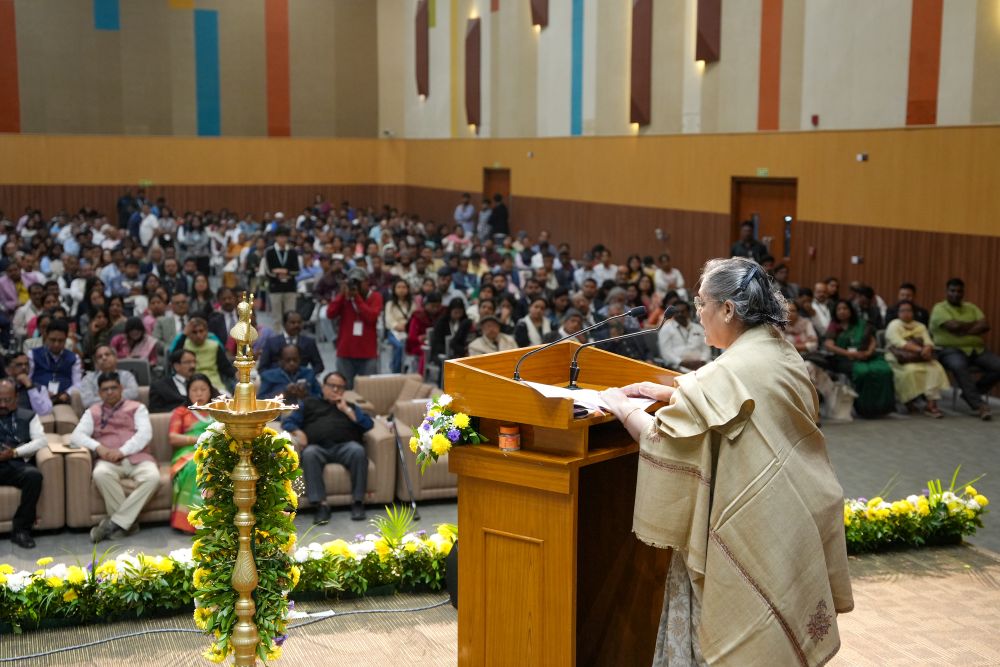
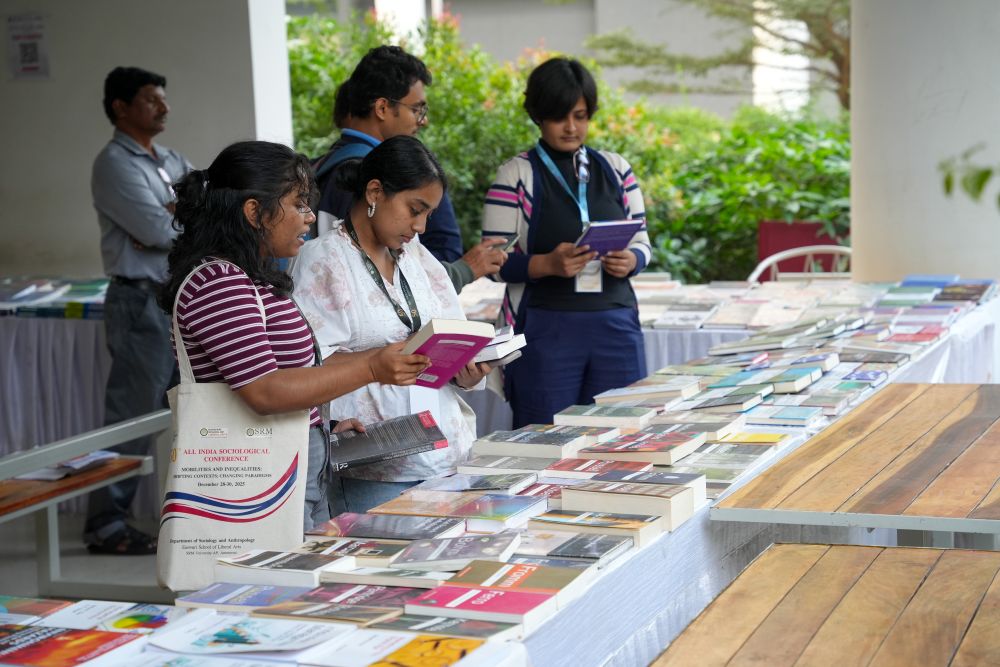
SRM University-AP hosted a diverse crowd of about 1,800 sociologists, scholars, and students from various parts of the country and the world for the opening day of the 50th All India Sociological Conference. The conference, held under the theme of “Mobilities and Inequalities: Shifting Contexts; Changing Paradigms,” explored how the field of sociology has shifted perspectives in the new world order.
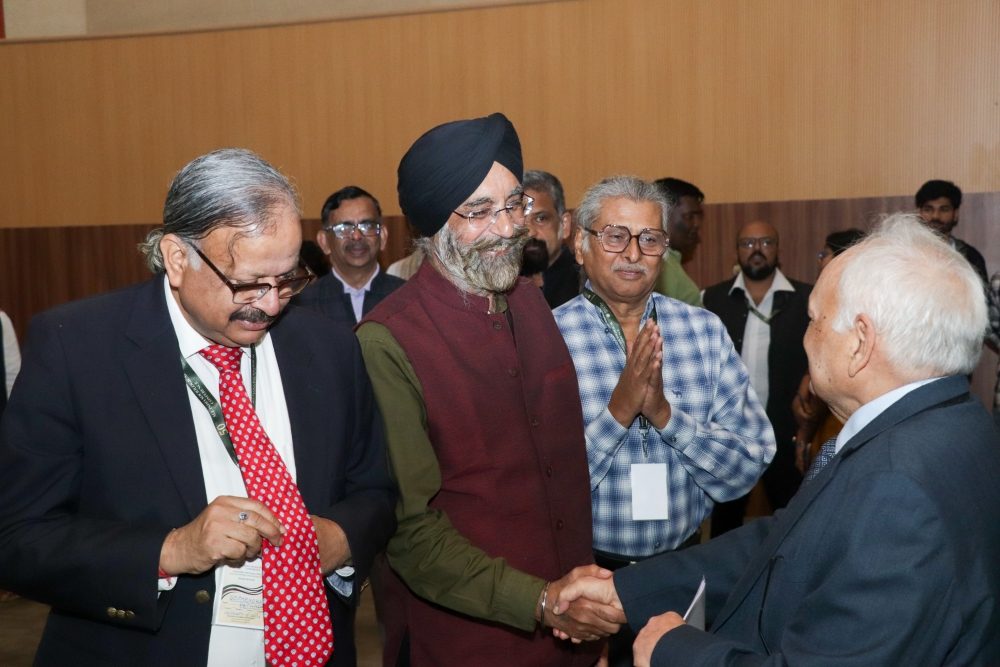
The inaugural day saw the participation of eminent figures from sociology and anthropology, including Dr R K Jain, former Professor at Jawaharlal Nehru University and the keynote speaker for the conference; Dr Maitrayee Chaudari, President of the Indian Sociological Society; Dr Swetha Prasad, Secretary of the Indian Sociological Society; Dr Sujata Patel, retired Professor of Sociology at the University of Hyderabad; Prof. Satish Deshpande, Professor of Sociology at the University of Delhi; Prof. Irudaya Rajan, Chairman of the International Institute of Migration and Development (IIMAD) and Guest Faculty at SRM University-AP; and Prof. Anand Kumar, retired Professor at Jawaharlal Nehru University, alongside the members of SRM AP leadership- Prof. Ch Satish Kumar, Dr R Premkumar, Prof. Vishnupad M and the members of the organising secretary, Dr Bikku R and Dr Ipsita Pradhan.
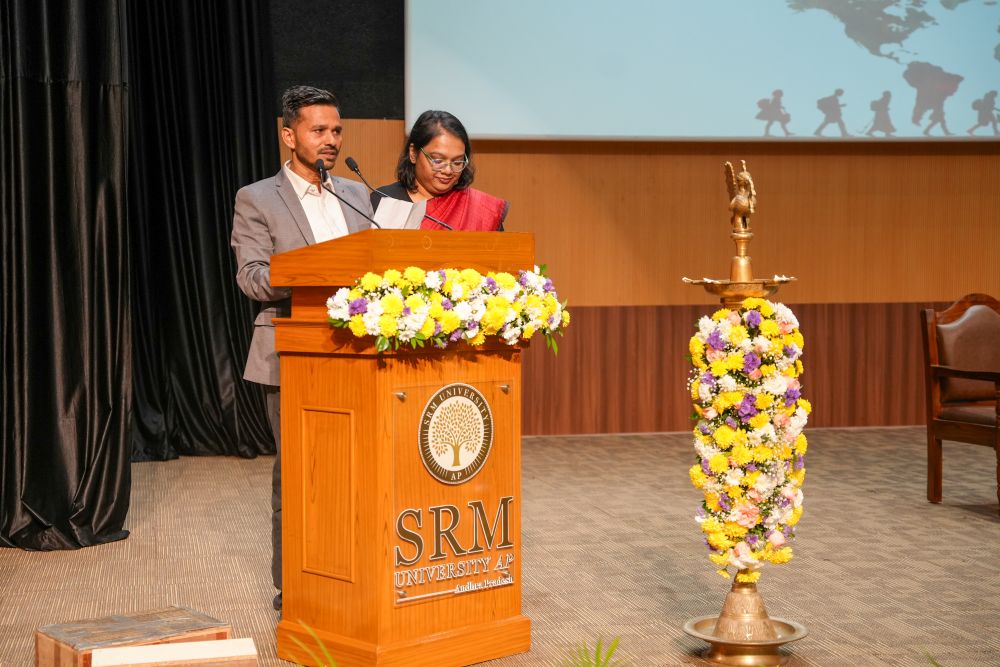
Organising secretary Dr Bikku, highlighted that over the next three days there will be over 30 research committees, four plenary sessions, three memorial lectures, and many other academic events offering a rich intellectual feast to the participants and also making a significant contribution in the to the advancement of sociology and anthropology.
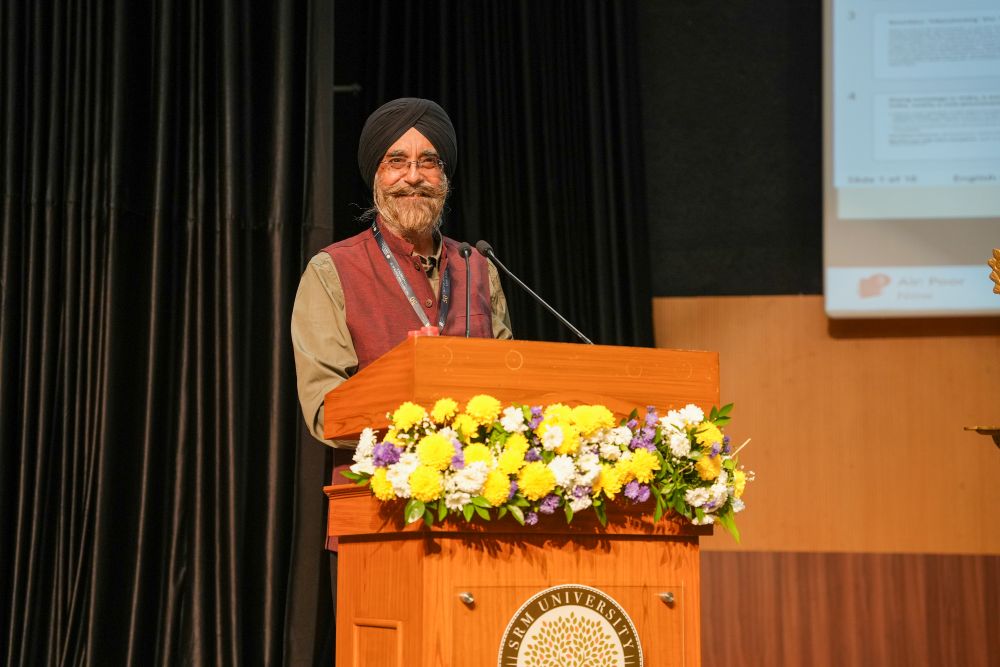
 During the keynote session, Dr R K Jain addressed the topic of migration, beginning with a national perspective and expanding to a global scope. He emphasised the complex intersectionality between mobility and inequality at the global level, highlighting the importance of viewing this issue through the lens of South Asian diasporic migration. Although he mentioned various forms of labour migration, he chose to especially focus on the mid-twentieth-century Indian diaspora. This movement was not primarily driven by economic marginalisation but was rooted in political, cultural, and psychological factors. Dr Jain pointed out that the H-1B visa serves as a significant example that illustrates the contemporary dynamics of race, class, and cultural narratives within the modern diaspora.
In his address, Prof. Vishnupad, Dean of the Easwari School of Liberal Arts, underscored the significance of the conference while also providing the audience with a comprehensive overview of the university and the school’s rich history and contributions. “The interplay of social and technological dynamics is reshaping our understanding of sociological constructs, and it is imperative that we adapt to these changes.”
The Vice Chancellor, in his opening address, noted, “Socialisation today is evolving into e-socialisation, which, in turn, is redefining individual identity and diminishing domestic importance. Ethical values are being rapidly replaced by those of Generation Z. This colloquium of sociologists and anthropologists will enable us to understand and strike a balance with these emerging perspectives.”
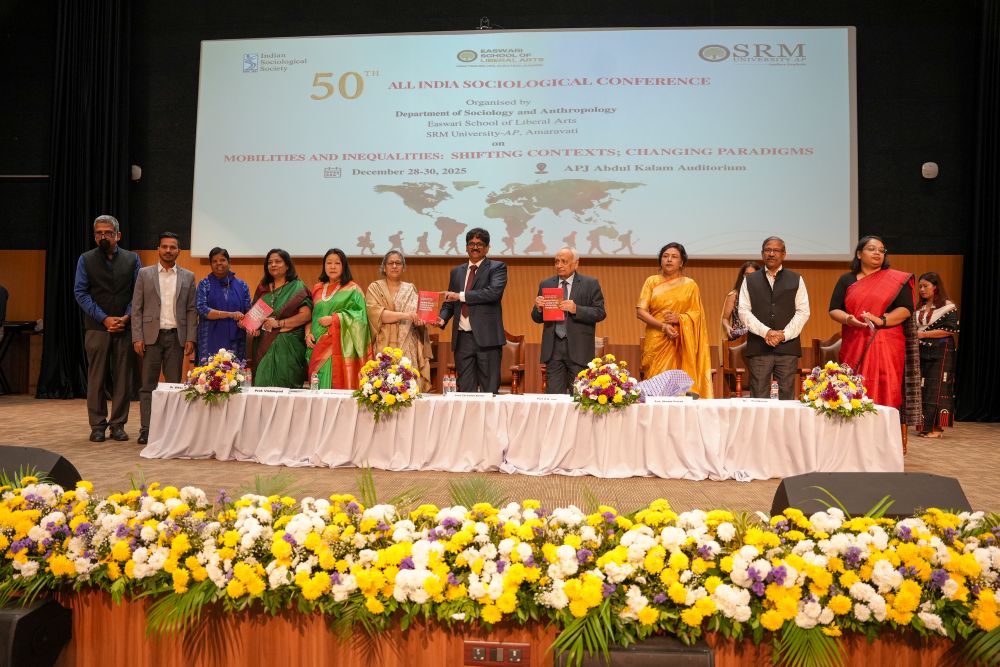
The inaugural day highlighted the release of three notable publications, including a special issue of the esteemed Sociological Bulletin. Dr Achala Gupta from the University of Southampton was distinguished as the recipient of the prestigious M N Srinivas Memorial Award. The agenda also comprised several Parallel Research Committee sessions, a plenary session, and a memorial session honouring R K Mukherjee. The inaugural day culminated with a cultural gala night and a Chancellor’s Dinner graciously hosted by the Honourable Vice Chancellor of SRM AP.