

Energy engineers are at the forefront of building a sustainable and technology-driven future. From powering smart cities and enabling electric mobility to supporting data-driven economies, energy plays a critical role in modern life. As the global transition towards clean, efficient, and intelligent energy systems accelerates, the need for skilled professionals in this domain continues to grow. The B.Tech in Energy Engineering at SRM University–AP, Amaravati prepares students to become innovators and problem-solvers in this evolving landscape. The programme focuses on the design, development, and management of next-generation energy systems—ranging from renewable energy and storage technologies to smart grids and sustainable infrastructure. With the increasing influence of Artificial Intelligence and digital technologies, students are also trained to work at the intersection of energy and data-driven systems, addressing challenges of efficiency, reliability, and large-scale energy demand.
Associate Professor & Head of the Department
Energy is becoming one of the most important sectors driving global development and sustainability. With rapid advancements in renewable energy, electric mobility, hydrogen technologies, energy storage, smart grids, and AI-enabled systems, the demand for skilled energy engineers is growing significantly across the world. In line with national initiatives such as the National Green Hydrogen Mission, renewable energy expansion, electric mobility adoption, and India’s commitment towards net-zero goals, the Department of Energy Engineering at SRM University-AP is committed to preparing students for the future energy landscape.
The B. Tech in Energy Engineering program is designed with strong emphasis on engineering fundamentals and emerging energy technologies. The curriculum covers renewable energy systems, battery energy storage, electric vehicles, hydrogen generation, energy management, and smart energy systems, along with the application of Artificial Intelligence and data analytics in modern energy technologies. The program also addresses emerging areas such as energy-efficient infrastructure and next-generation data centers.
Our faculty members bring expertise from diverse interdisciplinary domains and are actively involved in research and innovation related to clean and sustainable energy technologies. Their academic and research experience helps students develop practical knowledge, technical competence, and problem-solving skills required for industry and research.
The Department of Energy Engineering emphasizes experiential learning through laboratories, design projects, internships, field visits, and industry interaction. Students are encouraged to work on real-world energy challenges and participate in research activities that promote innovation and sustainable development.
At SRM University – AP, our vision and mission are at the heart of everything we do. We envision a world where education empowers individuals to become leaders, innovators, and changemakers. Our mission is to provide students with not just academic knowledge, but the skills, creativity, and ethical grounding needed to thrive in the modern world.
To become a globally distinguished and renowned Energy Department by nurturing high-quality professionals through rigorous academic training, innovative research that address emerging global challenges.
Build strong fundamentals and develop skills to analyze, design, and improve energy systems through quality education and practical learning. To foster research, innovation, and industry engagement in energy engineering and emerging energy technologies. Promote entrepreneurship, leadership, and innovation in energy technologies. Instil professional ethics, environmental responsibility, and lifelong learning to address evolving energy challenges.
The Department of Energy Engineering offers comprehensive programs spanning from the undergraduate and doctoral level. Our curriculum prepares students for successful careers in diverse fields such as renewable energy systems, sustainable energy technologies, energy storage, hydrogen and fuel cell technologies, environmental engineering, process industries, energy policy and management. By incorporating hands-on experiences, including laboratory training, industry-oriented projects, industrial internships, and cutting-edge research opportunities, we equip our students with the technical knowledge and practical skills required to address global energy and sustainability challenges and excel in their chosen careers.
The Energy Engineering curriculum builds a strong foundation in diverse science, engineering, and energy technologies, with emphasis on sustainable energy systems, process design, analysis, innovation, and real-world applications. The program integrates multidisciplinary concepts from mechanical, chemical, electrical, and materials engineering, along with emerging technologies such as Artificial Intelligence (AI), energy auditing, and data analytics, to address global energy challenges. Through projects, industrial internships, laboratory training, and research opportunities, students gain practical experience and technical expertise in renewable energy, energy storage, hydrogen technologies, carbon management, and sustainable process systems. To graduate with a B. Tech degree, students must earn a minimum of 160 credits.
The Department of Energy Engineering invites applications from motivated and talented students for pursuing the Ph.D Programme in the department. Selected candidates will have the opportunity to work with world-class faculty members on innovative and interdisciplinary research projects in areas such as renewable energy, Power Electronics for Energy Applications, hydrogen and fuel cell technologies, energy storage systems, Energy Efficient Power Electronic Systems sustainable process engineering, and advanced energy materials. The Programme is designed to foster cutting-edge research and develop solutions to emerging global energy and sustainability challenges.
The Department of Energy Engineering promotes research and innovation in renewable energy, hydrogen technologies, battery storage, electric mobility, and smart energy systems. Through advanced laboratories, industry collaboration, and hands-on projects, students develop sustainable solutions for future energy challenges.
Our faculty members are experienced academicians and researchers dedicated to excellence in teaching and innovation. With expertise in renewable energy, hydrogen technologies, energy storage, electric mobility, and smart energy systems, they provide students with strong theoretical knowledge and practical insights aligned with modern energy industry needs.
CEO, Hatchlab Research Centre and Professor
Assistant Professor & Head of the Department
Professor
Assistant Professor & Head of the Department
Professor
CEO, Hatchlab Research Centre and Professor
Associate Professor & HoD
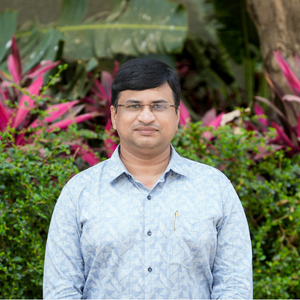
Associate Professor & Head of the Department
Associate Professor, Environmental Science and Engineering & Associate Dean - Quality Assurance and Rankings
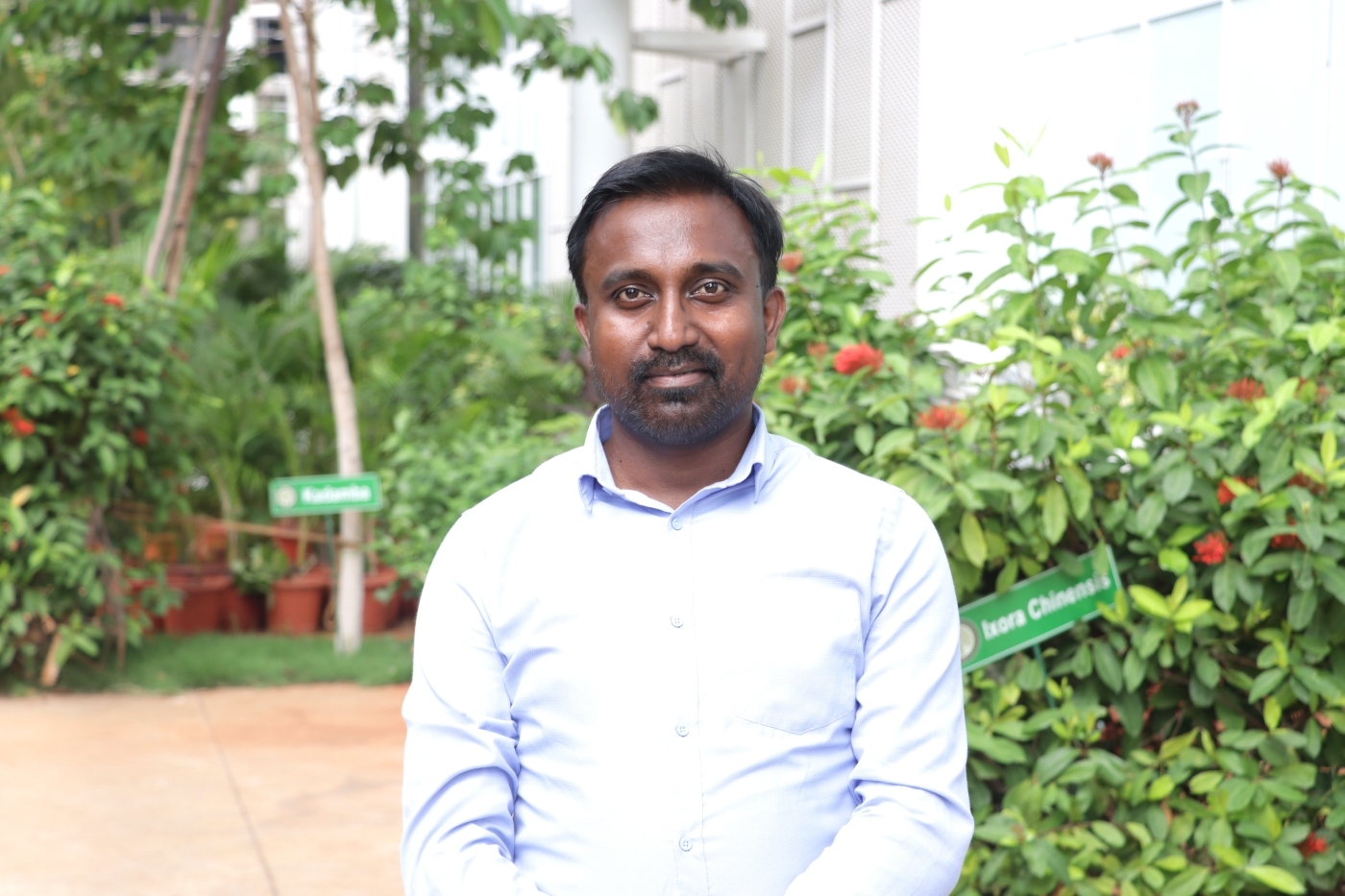
Assistant Professor
Assistant Professor
Assistant Professor-Ad hoc
Industry-aligned curriculum designed around emerging energy systems, real-world applications, and evolving sector needs.
Integration of energy with digital technologies, including E-mobility, Artificial Intelligence, data analytics, and smart energy systems for next-generation applications.
Hands-on learning approach through integrated laboratories, simulation tools, live projects, internships, and field exposure.
Strong career and higher education pathways in renewable energy, electric mobility, energy analytics, and global energy sectors.
Entrepreneurship and startup support encouraging students to develop innovative energy solutions and technology-driven ventures.
Outcome-based and student-centric pedagogy emphasizing critical thinking, problem-solving, teamwork, and lifelong learning.
Students can participate in the Semester Abroad Programme (SAP), gaining global academic exposure, international research experience, and insights into worldwide energy challenges and solutions—enhancing their academic and career prospects.
The B.Tech in Energy Engineering programme at SRM University–AP is more than a degree—it is a gateway to shaping a sustainable, technology-driven future. By combining strong fundamentals, practical learning, and global perspectives, the programme prepares students to become leaders in the evolving energy landscape.